

Restaurant environments operate at a continuous pace, shaped by shifting customer expectations, supply chains, and staffing needs. In such conditions, structured tools are necessary to ensure that information flows smoothly across teams.
While traditional cash registers focused primarily on payment, modern systems now support communication, reporting, and improvement strategies.
These technologies help restaurants coordinate tasks more consistently and better understand daily operations. This article explores five ways smart platforms contribute to operational organization and decision-making.
1. Organized Ordering and Front-of-House Coordination
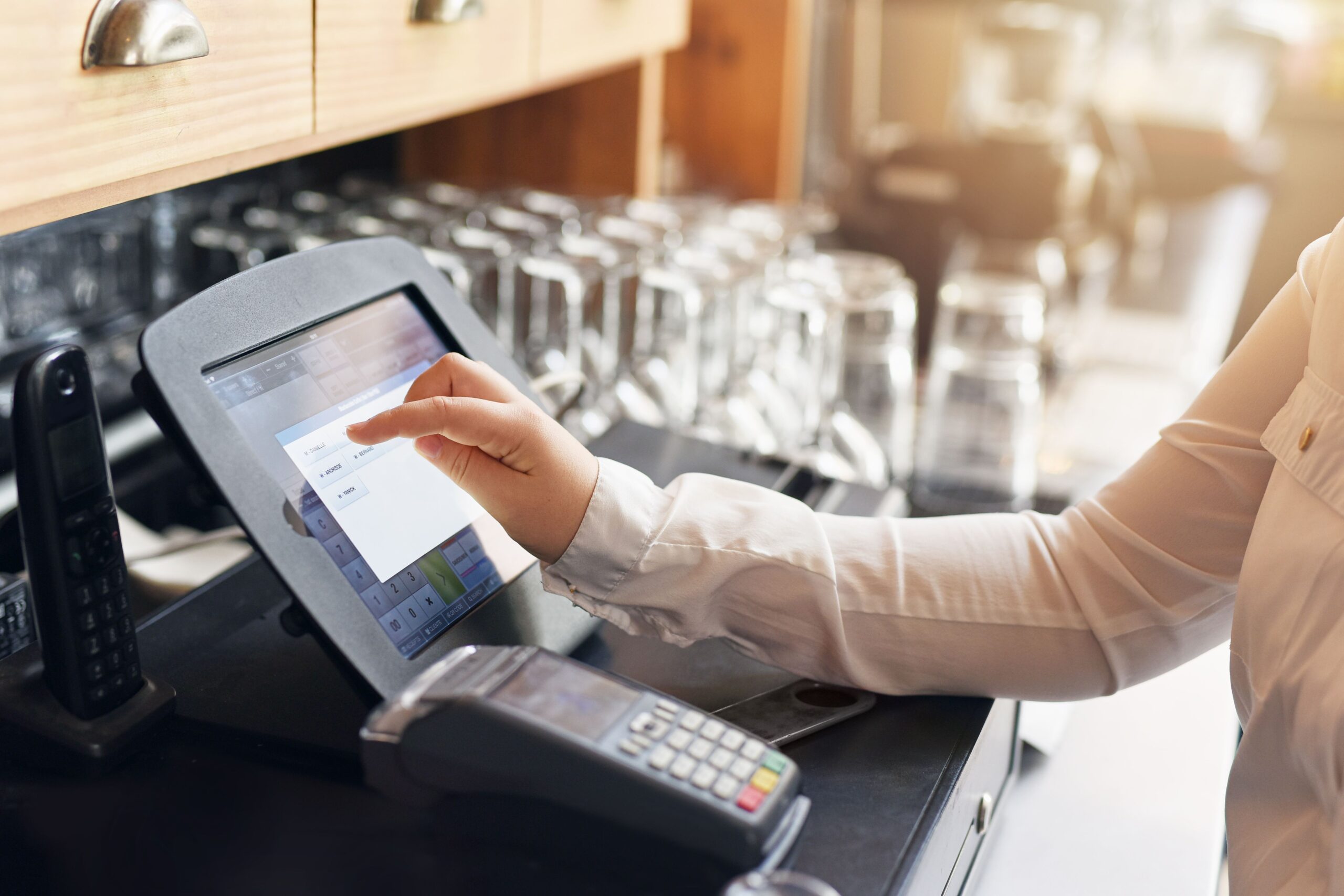
Digital point-of-sale systems have changed how teams handle orders and communication. Many restaurants rely on smart POS solutions for restaurants to transfer orders automatically from servers to the kitchen. This helps reduce errors that occur when messages are handwritten or verbally conveyed during busy periods.
When orders are recorded accurately, preparation begins sooner, helping meals reach tables on time. Such systems also provide visibility into order status, allowing staff to follow progress and identify delays.
These platforms support multiple service formats, from table service to takeout and delivery. For example, when restaurants receive online orders, details appear directly in the workflow rather than requiring manual entry. This alignment helps reduce confusion and allows employees to focus on service.
Table management tools show available and occupied spaces, helping hosts plan seating and reduce wait times. Clear communication helps teams take care of tasks without disrupting service.
2. Inventory Awareness and Cost Management
Ingredients are central to menu planning, and tracking their use contributes to more balanced purchasing decisions.
When systems connect ordering with stock records, teams can see when ingredients run low and plan accordingly. This helps avoid situations where popular items are unavailable because inventory information was incomplete.
Point-of-sale platforms with inventory functions record ingredient use as dishes are ordered. If certain items are consistently over-purchased or frequently discarded, managers may adjust orders to minimize waste. Teams can also study how seasonal changes influence demand.
When reporting shows that certain dishes are more popular at specific times, kitchens can stock ingredients according to real patterns rather than assumptions.
This awareness helps restaurants spend responsibly. If ingredients become more expensive or suppliers are unreliable, teams can use stock data to explore alternative menu choices. Over time, thoughtful cost management allows restaurants to make informed decisions about what to keep, change, or remove.
3. Data-Driven Menu Evaluation
Modern point-of-sale platforms provide detailed reporting about ingredient use, sales patterns, and operational behavior.
These records help restaurants understand which menu items guests prefer and which may require adjustment. For example, data showing low-selling items may signal a need to change portion size, recipe, or menu placement.
Profitability evaluation is important. While some dishes may sell often, they may rely on ingredients that are expensive or difficult to store.
Reports allow managers to compare profit margins among items and identify candidates for redesign. Conversely, items with high margins and strong demand provide opportunities for promotion or feature placement.
Menu evaluation extends to preparation time as well. If a dish requires extended cooking or complicated handling, kitchens may struggle during peak hours.
Data helps teams determine whether such items should remain or be simplified. Aligning menu design with operational capacity helps maintain quality and prevent delays.
4. Improved Team Structure and Training
Smart point-of-sale platforms help restaurants define roles clearly. Managers can set access permissions according to responsibilities, ensuring that staff members handle only tasks relevant to their work. This structure promotes accountability and protects sensitive data.
Training also benefits from organized systems. When employees join, they receive structured direction that outlines how to enter orders, review tickets, and complete payments. Step-by-step workflows reduce uncertainty and enable new team members to participate sooner.
Because many platforms include guides and prompts, staff can learn functions without extensive oversight. This consistency helps maintain stable service during transitions or busy periods.
Clear workflows also reduce communication errors. When responsibilities align with structured instructions, teams can make decisions with confidence. This helps both kitchen and front-of-house staff coordinate tasks using the same source of information.
5. Analytical Reporting for Planning and Forecasting
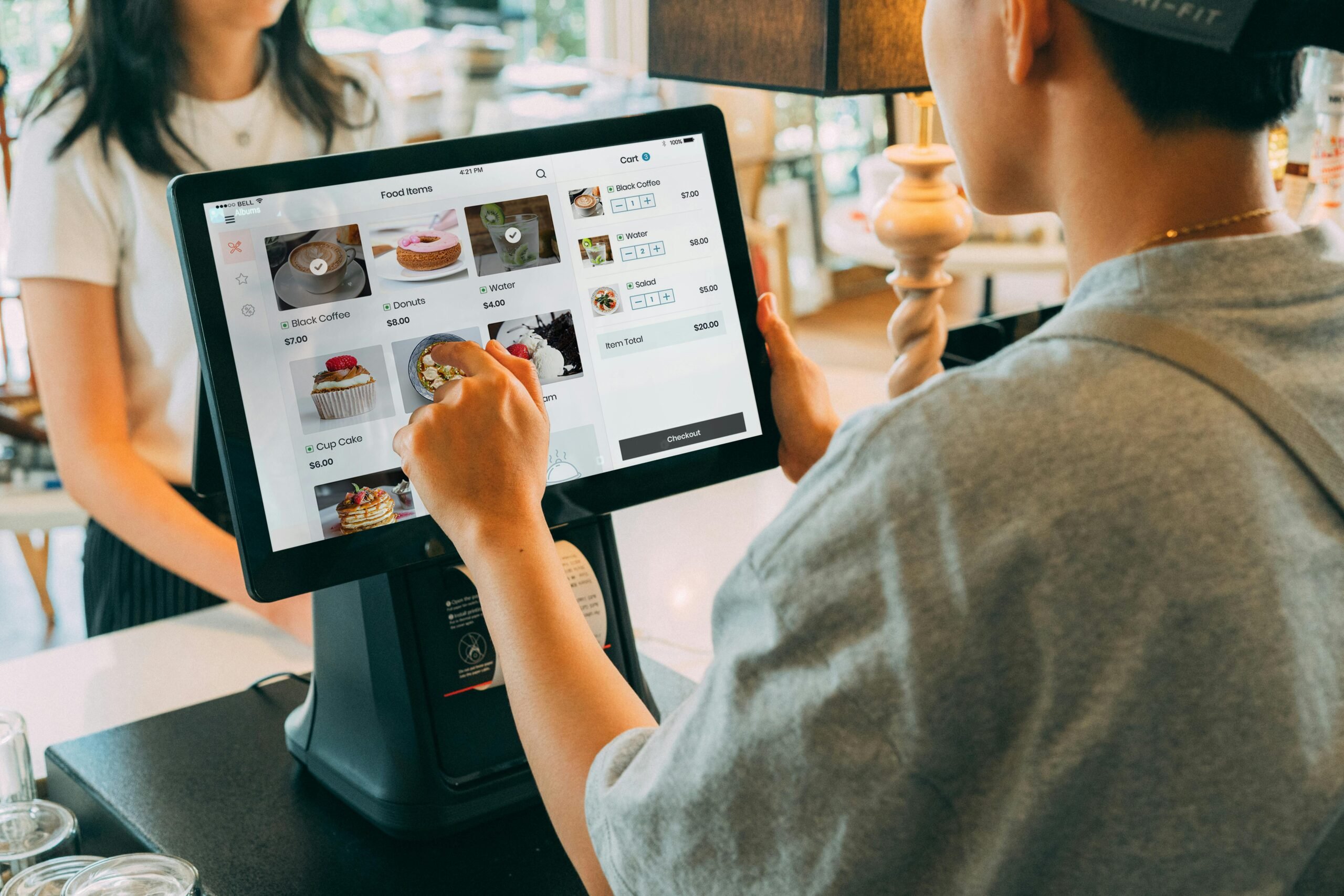
Reports generated by POS platforms help restaurants reflect on operational performance across months or years. Long-term records allow teams to review trends and understand how demand shifts due to seasons, events, or policy changes.
For example, a restaurant may learn that weekday lunches perform differently from weekend dinners. Such insights guide staffing and supply planning.
Financial reporting demonstrates where revenue is strongest and where costs increase. If certain ingredients rise in price, managers can adjust their menu to reflect changing conditions.
Similarly, if demand for particular dishes declines, teams can adjust recipe design or remove them entirely. These decisions are easier when backed by organized information rather than assumptions.
Forecasting applies beyond menu decisions. Teams responsible for staffing, procurement, or scheduling can review historical data to anticipate future needs.
A consistent approach to analyzing information supports thoughtful planning and reduces uncertainty. With access to reporting insights, restaurants are better prepared to adapt to evolving guest expectations.
Conclusion
Modern restaurants require structure and visibility to remain organized. Smart platforms help teams communicate efficiently, track ingredients responsibly, evaluate menu performance, structure roles, and analyze long-term activity. These tools provide practical ways to respond to operational challenges without relying on guesswork.
When restaurants use coordinated workflows and reporting tools, they can plan realistically and improve internal cooperation.
Through measured decision-making and clear communication, point-of-sale platforms support everyday planning and long-term development.
