

Artificial intelligence has completely reshaped how marketers track visibility, engagement, and performance. What once required hours of manual reporting can now be done in seconds with AI-driven platforms that analyze trends, uncover opportunities, and recommend actions that move real results.
For marketers entering 2026, the right AI visibility platform can mean the difference between staying ahead of search trends or falling behind. This year’s leading tools stand out for their innovation, usability, and measurable impact.
Whether you’re part of an enterprise team or a solo marketer, these platforms make data interpretation faster, smarter, and far more strategic.
1. Ubersuggest – Best for Affordable, All-in-One Visibility
What It Is
Created by Neil Patel, Ubersuggest has evolved from a basic keyword research tool into a full AI visibility platform. It combines keyword tracking, content recommendations, and competitor analysis in one clean interface that makes optimization easy for marketers at any level.
Key Features
- AI-driven insights highlight rising trends and content gaps.
- Built-in audits identify ranking risks and opportunities for quick fixes.
- Content recommendations help users refresh existing pages and maintain momentum.
Ideal For: Small to midsize businesses that want reliable visibility intelligence without the complexity or cost of enterprise platforms.
2. BrightEdge Autopilot – Best for ROI-Focused Search Insights
What It Is
BrightEdge Autopilot blends search and content data with real-time business outcomes. It not only monitors keyword rankings and SERP changes but also links those metrics directly to conversions and revenue.
Key Features
- Detects emerging search opportunities and competitive shifts across industries.
- Integrates with analytics tools to connect visibility metrics to performance goals.
- Provides ROI-based recommendations that help teams prioritize high-value opportunities.
Ideal For: Enterprise marketers who need visibility tracking tied directly to measurable business impact.
3. Semrush Copilot – Best for Predictive SEO Guidance
What It Is
Semrush Copilot is an intelligent assistant built into Semrush’s SEO suite. It uses AI to interpret ranking data, explain visibility fluctuations, and forecast the next search opportunities.
Key Features
- Links ranking changes to content performance and algorithm updates.
- Predicts trending topics and keyword clusters before competitors act.
- Provides natural-language summaries (“Your rankings dipped due to competitor content on Topic X”).
Ideal For: Agencies and teams that manage multiple clients and need fast, contextual insights without manual reporting.
4. Ahrefs Insights – Best for Competitive and Link Intelligence
What It Is
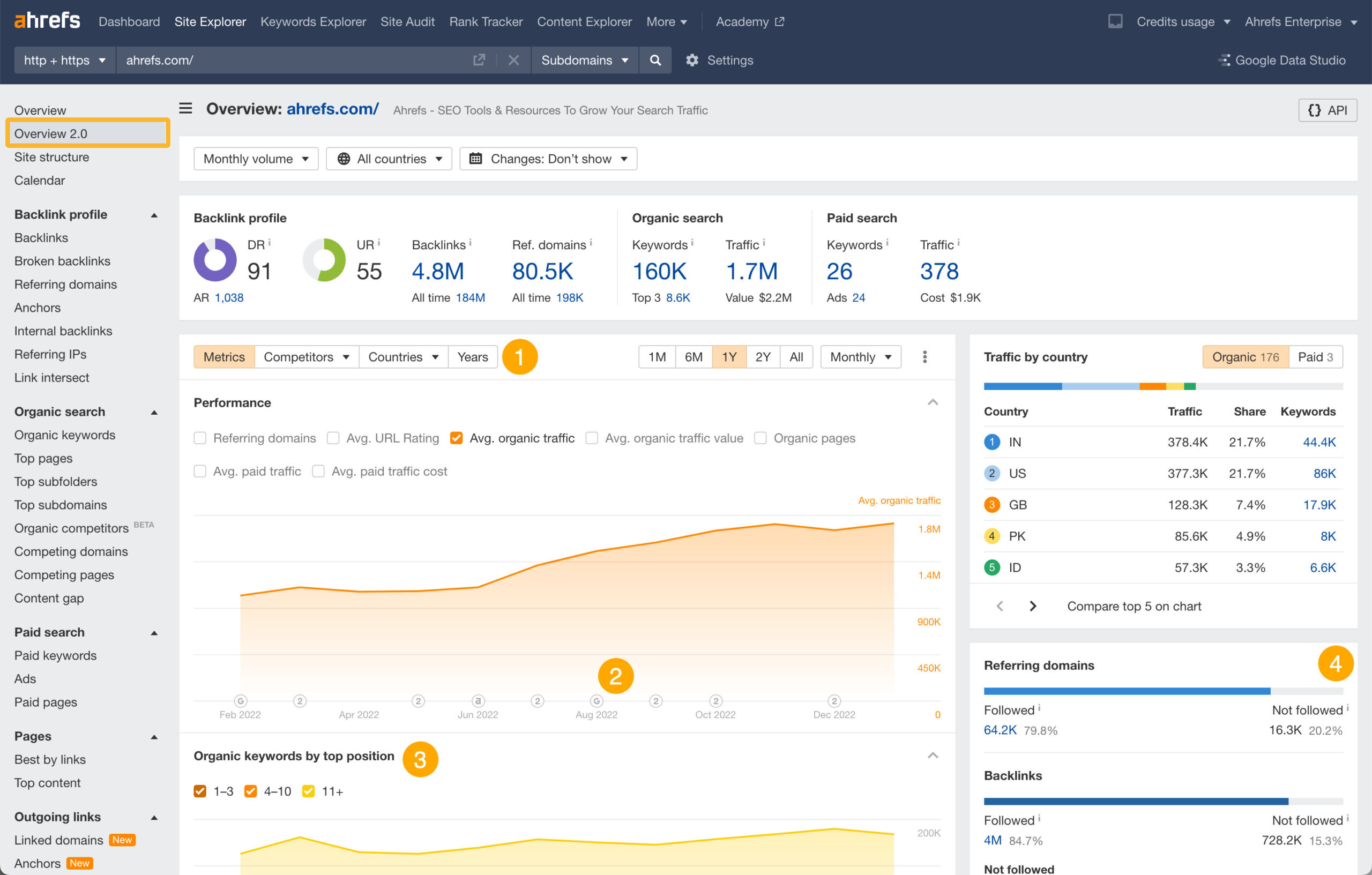
Ahrefs Insights transforms massive backlink and keyword datasets into predictive visibility models. It bridges the gap between technical SEO data and strategic planning by showing where growth — or decline — is happening.
Key Features
- Monitors link velocity, domain authority shifts, and anchor text diversity.
- Combines backlink data with behavioral metrics to identify high-performing content types.
- Detects when competitor link-building campaigns might start affecting your visibility.
Ideal For: SEO professionals and analysts who want advanced link intelligence and competitor forecasting.
5. MarketMuse Next – Best for Predictive Content Strategy
What It Is
MarketMuse Next uses predictive modeling to guide content strategy with precision. Its AI evaluates topical authority, freshness, and coverage to determine exactly which updates will generate the most visibility.
Key Features
- Forecasts ranking potential based on topic strength and site authority.
- Simulates SERP outcomes to show how small content changes can impact results.
- Recommends which pages to update or expand for maximum ROI.
Ideal For: Content strategists and editorial teams focused on data-backed planning and efficient resource allocation.
6. Surfer SEO – Best for On-Page Optimization
What It Is
Surfer SEO remains one of the most powerful tools for content optimization. It dissects top-performing pages in your niche and builds data-driven models that show what separates winners from everyone else.
Key Features
- “Audit” tool pinpoints missing internal links and structural issues.
- “Content Editor” provides real-time guidance on tone, length, and keyword density.
- Tracks alignment between your content and evolving search intent.
Ideal For: Marketers and writers who want a step-by-step AI assistant for improving content relevance and performance.
7. Clearscope Intelligence – Best for Content Quality and Readability
What It Is
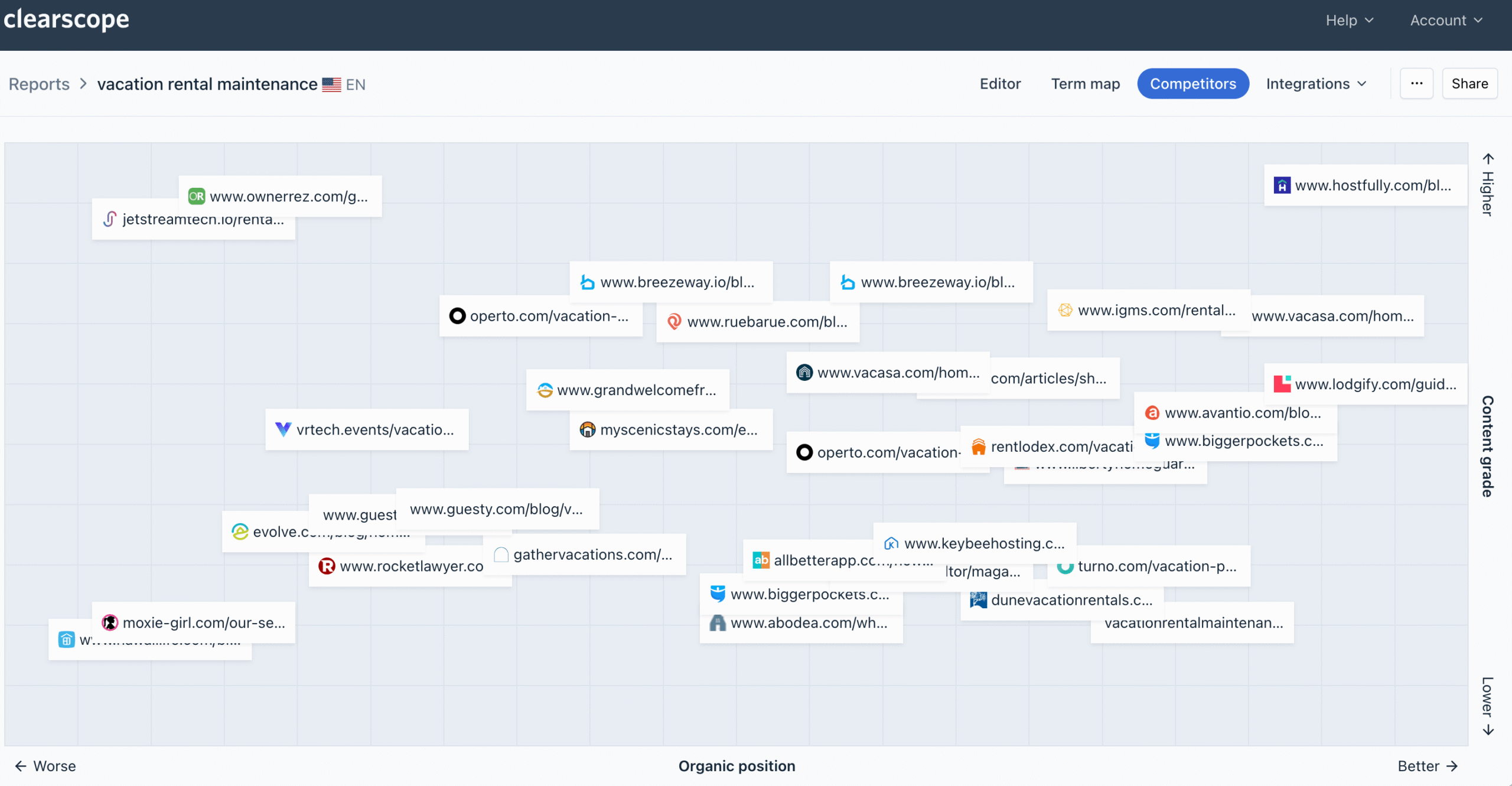
Clearscope Intelligence makes AI recommendations simple and intuitive. It evaluates structure, tone, and completeness to ensure that content satisfies both search intent and human readability.
Key Features
- Maps content to user intent and recommends adjustments to tone and structure.
- Highlights semantic gaps compared to top-ranking competitors.
- Generates shareable reports ideal for collaborative editing and approval workflows.
Ideal For: Content marketing teams, editors, and agencies focused on clarity, quality, and alignment with brand voice.
8. SEOClarity Pulse – Best for Enterprise-Scale Tracking
What It Is
Built for large organizations, SEOClarity Pulse offers continuous, automated visibility monitoring across thousands of keywords and regions. Its AI models adapt as ranking factors evolve.
Key Features
- Tracks performance across markets, languages, and device types.
- Detects early signals of ranking volatility caused by algorithm updates.
- Provides prioritized recommendations to stabilize and recover traffic quickly.
Ideal For: Global enterprise teams that need high-scale tracking, automation, and in-depth reporting.
The Shift Toward Predictive SEO
The leading tools of 2026 share one defining feature: predictive intelligence. Rather than reacting to what happened last week, they forecast what’s likely to happen next.
AI systems now process billions of data points — from search trends and backlinks to social signals — to anticipate performance changes before they occur. This helps marketers plan content calendars, respond to market shifts, and prepare for algorithm updates more effectively than ever.
In short, these platforms turn SEO from a reactive process into a proactive strategy.
How to Choose the Right Platform?
There’s no single best tool for every team. The right choice depends on your size, focus, and goals:
- Content-driven marketers: Use Ubersuggest, MarketMuse Next, or Surfer SEO for optimization and trend prediction.
- Data-heavy teams and agencies: Choose Semrush Copilot or Ahrefs Insights for advanced analytics and competitive insights.
- Writers and editors: Opt for Clearscope Intelligence to ensure readability and intent alignment.
- Enterprises and global brands: Select SEOClarity Pulse or BrightEdge Autopilot for large-scale automation and ROI reporting.
Many marketers combine multiple tools for a more complete visibility picture. Together, they help translate analytics into clear, actionable strategy.
As digital marketing becomes increasingly data-driven, AI visibility platforms are redefining how marketers understand performance. The tools that once overwhelmed users with information now simplify decision-making with targeted, predictive insight.
Among them, Ubersuggest continues to stand out for its accessibility and balance — offering AI-driven keyword research, content recommendations, and visibility tracking for marketers of any size.
In 2026, success will belong to those who don’t just collect data but act on it. The right AI platform won’t just measure your visibility; it will help shape it.
