

Extreme weather events are becoming increasingly frequent, bringing with them widespread power outages that can last hours or even days. Modern households depend heavily on electricity for essential functions like refrigeration, heating, medical equipment, and communication systems.
When the grid fails, families face not just inconvenience but potential safety risks and financial losses from spoiled food and damaged appliances. Whole home generators offer a comprehensive solution by automatically restoring power within seconds of an outage, keeping your entire household running seamlessly.
Recent technological advancements have made these systems more efficient and accessible, particularly with the integration of battery backup systems that provide cleaner, quieter operation. Additionally, federal tax incentives now make investing in energy resilience more financially attractive than ever.
For tech-savvy homeowners who value reliability and want to protect their families while optimizing their investment, understanding whole home generator systems and available tax credits has become essential to modern home ownership.
Understanding Whole Home Generators: Core Concepts
A whole home generator is a permanently installed backup power system that automatically detects grid failures and restores electricity to your entire house within 10-20 seconds.
Unlike portable generators that require manual setup and can only power a few devices through extension cords, these standby units connect directly to your home’s electrical panel through an automatic transfer switch.
This switch monitors incoming utility power and seamlessly transitions to generator power when it detects an outage, then switches back when grid power returns.
Whole home systems typically power all critical appliances simultaneously—refrigerators, HVAC systems, water heaters, security systems, medical equipment, and home office technology.
The three primary fuel options each offer distinct advantages: natural gas provides unlimited runtime through existing utility lines, propane offers independence from municipal infrastructure with on-site tank storage, and diesel delivers maximum power density for larger homes.
Natural gas systems are most common in urban areas due to convenience, while propane dominates rural installations where gas lines are unavailable.
The automatic transfer switch serves as the system’s brain, continuously monitoring voltage levels and switching power sources without human intervention.
Most modern units include remote monitoring capabilities that alert homeowners to maintenance needs or operational issues through smartphone apps, making them ideal for tech-oriented users who value automated home systems.
Battery Backup Systems: Tech-Driven Energy Resilience
Battery backup systems function as bridge power sources during outages, either operating independently for shorter disruptions or working alongside generators for extended blackouts.
Modern lithium-ion batteries offer superior energy density, faster charging cycles, and 10-15 year lifespans compared to traditional lead-acid alternatives that typically last 3-5 years.
Lithium systems also maintain consistent voltage output throughout their discharge cycle, preventing the power fluctuations that can damage sensitive electronics like computers and medical devices.
Integration with whole home generators creates a hybrid system where batteries handle immediate power needs during the 10-20 second generator startup delay, eliminating even momentary interruptions.
The battery system then shifts to a supporting role, reducing generator runtime during low-demand periods and cutting fuel consumption by up to 40%.
Capacity is measured in kilowatt-hours (kWh)—a 10 kWh battery can power essential circuits for 8-12 hours depending on usage patterns, while 20+ kWh systems support full-home loads for similar durations.
Smart management platforms distinguish modern battery systems from basic backup power. These systems use AI-driven algorithms to learn household consumption patterns, automatically prioritizing critical loads like refrigeration and HVAC while temporarily reducing power to non-essential circuits.
Smartphone apps provide real-time energy flow visualization, remaining runtime estimates, and historical usage analytics. Some advanced systems integrate weather forecasting data to pre-charge batteries before predicted storms, maximizing available backup capacity when outages are most likely.
Advanced Power Management Hubs: Handling High-Capacity Circuits
Key Technological Features
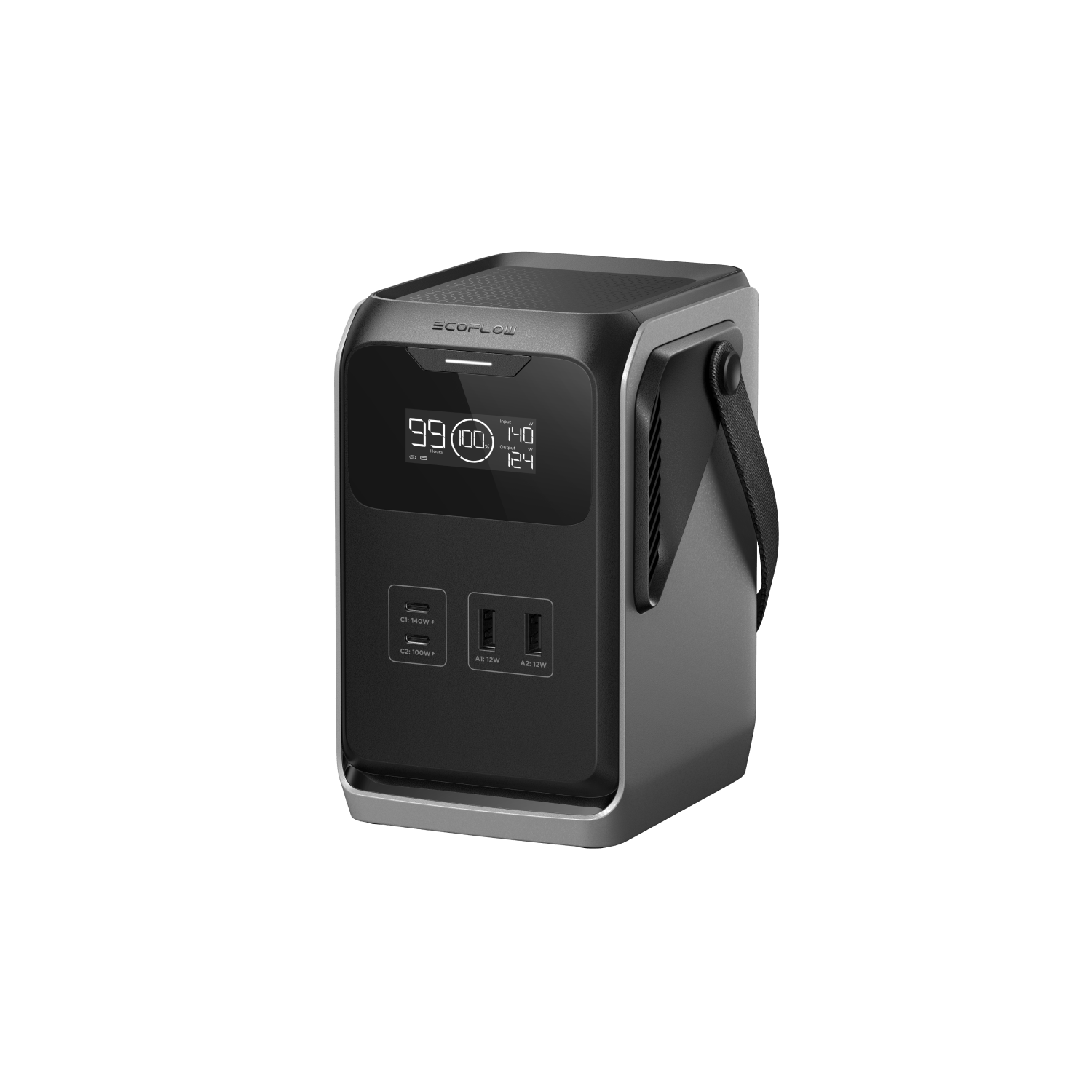
Advanced power management hubs represent a significant advancement in residential power management, designed to handle high-capacity electrical circuits that traditional battery systems struggle to support.
With 50-amp handling capability, these systems can simultaneously power energy-intensive appliances like central air conditioning units, electric water heaters, and electric vehicle chargers—circuits that typically draw 240 volts and would otherwise require multiple smaller systems.
The hub’s intelligent load prioritization uses real-time monitoring to automatically allocate power based on pre-configured hierarchies, ensuring critical systems like refrigeration and medical equipment receive uninterrupted power while temporarily reducing or cycling non-essential loads during capacity constraints.
Companion smartphone apps provide granular control over individual circuits, allowing users to monitor energy consumption by appliance, adjust priority settings remotely, and receive push notifications about system status changes or maintenance requirements.
Installation and Whole-Home Integration
High-capacity power management hubs integrate seamlessly with existing whole home generator systems through universal compatibility design, connecting between the automatic transfer switch and main electrical panel to create a three-tier power hierarchy: utility grid, generator, and battery backup.
Professional installation is mandatory due to electrical code requirements for high-amperage systems, typically requiring 4-6 hours of work by licensed electricians familiar with multi-source power configurations.
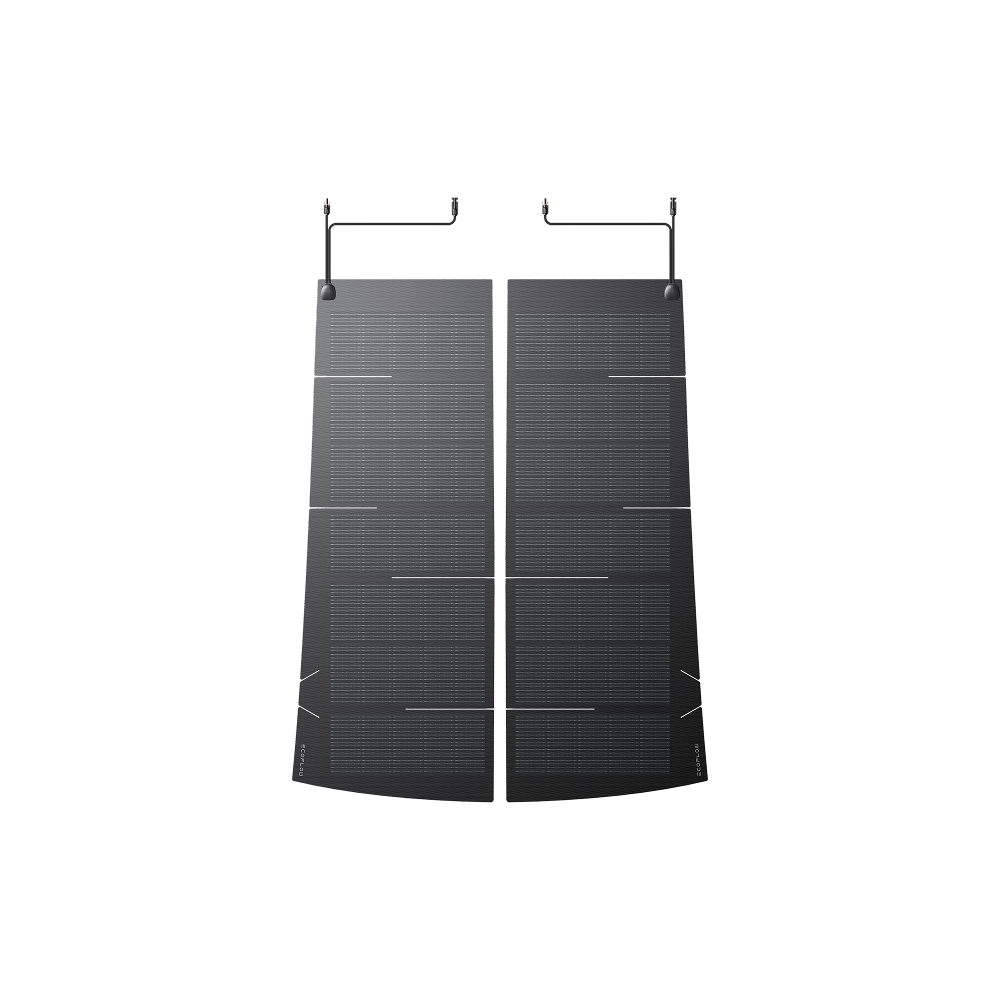
The system’s modular architecture supports future expansion—homeowners can add solar panel arrays or additional battery units without replacing the hub itself, simply connecting new components through standardized ports.
This scalability makes it particularly attractive for tech-forward homeowners who plan phased energy independence upgrades, starting with generator backup and progressively adding renewable generation capacity as budgets allow.
Home Power Outage Preparation: Practical Steps
Solution Steps for Implementation
Begin with a comprehensive energy audit by listing every critical appliance and device requiring backup power, then calculate total wattage by checking manufacturer labels or using a wattage meter.
Add individual wattages together and multiply by 1.25 to account for startup surge requirements—motors and compressors temporarily draw 2-3 times their running wattage.
For generator sizing, homes under 2,000 square feet typically require 15-20 kW systems, 2,000-3,000 square foot homes need 20-25 kW units, and larger properties above 3,000 square feet demand 30+ kW capacity when powering central air conditioning.
Fuel source selection depends on three factors: availability, storage capacity, and runtime needs. Choose natural gas if municipal lines serve your property and you prioritize unlimited runtime without refueling concerns.
Select propane for rural locations or when seeking fuel independence, ensuring your tank holds at least 250 gallons for multi-day outage capability—a 20 kW generator consumes approximately 3-4 gallons per hour under full load.
Diesel offers maximum energy density but requires regular fuel stabilizer treatments and tank maintenance to prevent contamination.
Vet professional installers by verifying current electrical contractor licenses, requesting proof of liability insurance with minimum $1 million coverage, and checking three recent customer references specifically for generator installations.
Confirm they pull proper permits and schedule mandatory inspections—unpermitted work voids warranties and creates liability issues.
Request detailed written quotes that itemize equipment costs separately from labor, specify automatic transfer switch brands, and include concrete timelines with penalty clauses for delays beyond agreed completion dates.
Maintenance Protocols
Configure automated weekly exercise cycles where the generator runs for 15-20 minutes under no-load conditions, allowing the engine to reach operating temperature and circulating oil through all components.
This prevents fuel system degradation and keeps batteries charged—most modern units include programmable controllers that handle scheduling automatically.
Set exercise times during daylight hours when you can observe operation and note any unusual sounds or vibrations that indicate developing mechanical issues.
Manage fuel stability by adding stabilizer additives to propane and diesel systems every six months, preventing varnish buildup in carburetors and injectors. Natural gas systems require minimal fuel maintenance but benefit from annual gas line pressure testing.
Replace oil and filters according to manufacturer intervals, typically every 200 hours of operation or annually, whichever comes first. Battery terminals require inspection every three months for corrosion—clean with baking soda solution and apply protective spray to prevent voltage drops during critical startup sequences.
Inspect air filters quarterly and replace when visibly dirty, as restricted airflow reduces power output and increases fuel consumption by up to 15%.
Investment Tax Credit: Financial Optimization
The federal Investment Tax Credit (ITC) currently offers 30% tax credits for qualified energy storage systems installed through 2032, dropping to 26% in 2033 and 22% in 2034.
Whole home generators paired with battery backup systems may qualify when integrated with renewable energy sources like solar panels, though standalone fossil-fuel generators typically don’t meet eligibility criteria. Battery systems must have minimum 3 kWh capacity and meet specific interconnection standards outlined in IRS Notice 2021-61.
To claim credits, retain itemized receipts showing equipment costs separately from installation labor, manufacturer certifications confirming energy storage capacity ratings, and signed installer statements verifying compliance with local electrical codes.
File IRS Form 5695 with your annual tax return, entering qualified costs in Part II for residential energy property credits. Calculate your credit amount by multiplying eligible expenses by the applicable percentage—a $15,000 battery system yields $4,500 in direct tax liability reduction.
Many states offer additional incentives that stack with federal credits. California’s SGIP program provides per-kWh rebates for battery installations, while New York’s NY-Sun initiative adds state tax credits up to $5,000.
Massachusetts offers Solar Massachusetts Renewable Target (SMART) program incentives, and New Jersey provides sales tax exemptions on energy storage equipment.
Research your state’s Database of State Incentives for Renewables & Efficiency (DSIRE) listings to identify local programs—combined federal and state benefits can offset 40-50% of total system costs, dramatically improving payback periods for tech-forward homeowners prioritizing both energy security and financial optimization.
Securing Your Home’s Energy Future
Whole home generators provide unmatched protection against the growing threat of extended power outages, automatically maintaining full household functionality from refrigeration and HVAC to medical equipment and home offices.
Modern battery backup systems enhance this resilience through intelligent energy management, eliminating even momentary power interruptions while reducing fuel consumption and operational costs.
The technological sophistication of platforms like EcoFlow’s advanced power management solutions delivers the automated control and real-time monitoring that tech-savvy homeowners expect from premium home systems.
Federal tax credits currently offering 30% returns through 2032 create a limited-window opportunity to offset significant portions of installation costs, particularly when combining battery storage with renewable energy integration.
State incentive programs can stack additional savings, sometimes covering nearly half of total system expenses. Begin your energy resilience assessment by calculating your home’s critical power requirements, researching qualified installers in your area, and consulting tax professionals about maximizing available credits before incentive percentages decrease.
The convergence of advancing technology, increasing grid vulnerability, and favorable tax treatment makes now the optimal time to secure your household’s energy independence and protect your family from the next inevitable outage.
