
 Across the world, the rules of finance are being rewritten. Traditional banks, once the gatekeepers of capital, now face competition from decentralized systems that offer faster, cheaper, and more democratic access to funds. This shift isn’t just technological; it’s cultural.
Users want control over their money, not layers of middlemen. As blockchain and Web3 technologies mature, lending, investing, and payments are moving into the hands of code-driven communities known as DAOs (Decentralized Autonomous Organizations).
Beyond Traditional Banking
Alternative finance now powers more than just cryptocurrencies. It’s influencing real estate, small business loans, art collectives, and even online entertainment platforms that function like mini financial ecosystems. Blockchain-based systems allow users to lend and borrow directly, without approval from banks.
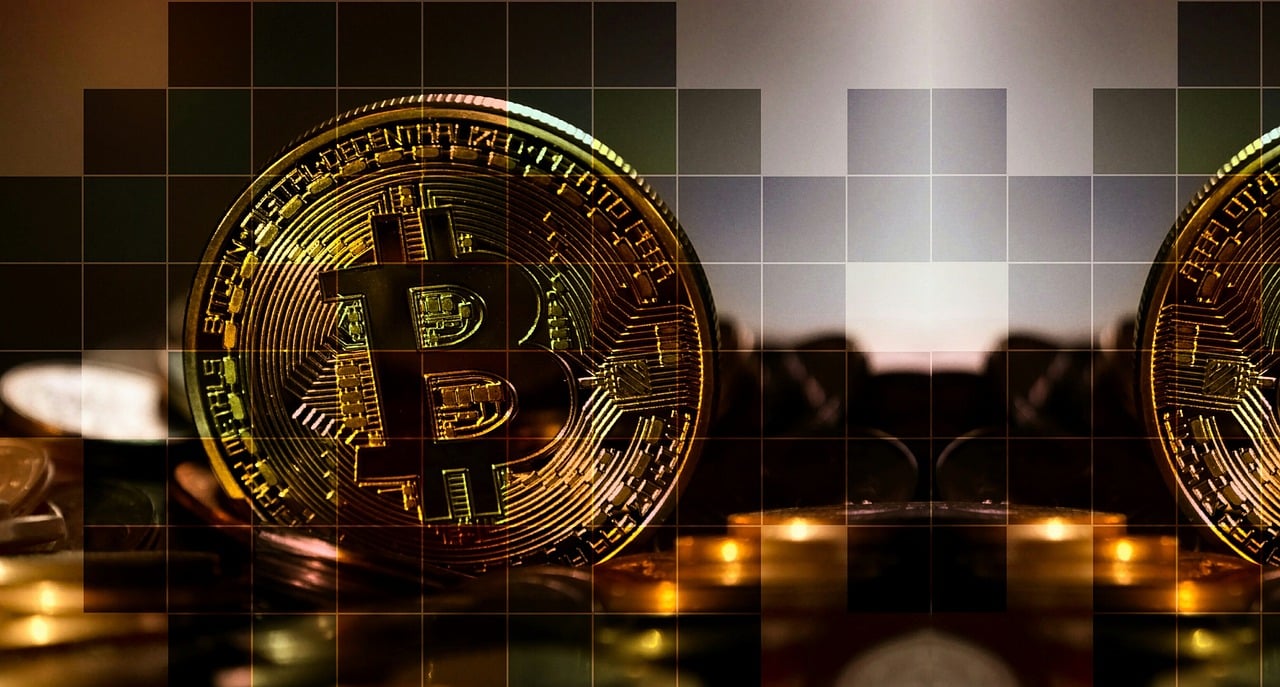
Even crypto itself is becoming more and more widespread. For example, the gambling industry is one of the biggest users of crypto, and to a great advantage.
According to Miranda Raaff, the best crypto casinos offer faster payments, bigger bonuses and greater security compared to more traditional gambling sites (source: https://n4g.com/articles/articles/bitcoin-casinos/).
Elsewhere, international remittances are being done in crypto more often, as transaction fees are much lower compared to international bank wires.
And, no currency exchange is needed, meaning both parties know exactly what they are going to send/receive without losing out.
Why DAOs Are Changing Everything?
DAOs represent a digital cooperative model where users pool capital and vote collectively on how to deploy it. Smart contracts automatically execute the group’s decisions, removing the need for bankers or brokers. For entrepreneurs, this means faster funding cycles and lower entry barriers.
For investors, it offers new ways to earn returns while directly participating in governance. The absence of traditional intermediaries is both the attraction and the risk, DAOs rely on code, not trust, which can be liberating but also unforgiving if poorly designed.
Peer-to-Peer Lending Reinvented
The concept of peer-to-peer lending isn’t new, but blockchain makes it seamless and global. Borrowers can secure loans using digital assets as collateral, while lenders earn interest directly from their holdings.
These systems are open to anyone with an internet connection, allowing cross-border transactions without bureaucratic red tape.
Stablecoins (cryptocurrencies tied to traditional currencies) have made it possible to transfer funds in seconds, with minimal fees. The result is a global marketplace where liquidity and opportunity flow freely.
Crowdfunding and Collective Ownership
DAOs are redefining what it means to own and invest. Instead of buying shares in a company, users can hold governance tokens that grant them voting rights and revenue participation. Artists, startups, and activists have used these models to raise capital in ways that feel transparent and democratic.
Investors can see exactly how funds are managed and distributed, all recorded permanently on a blockchain. This visibility contrasts sharply with the opacity of traditional banking operations.
Regulation and Reality
Governments are still catching up with the pace of decentralized finance. Some countries, like Switzerland and Singapore, have embraced the innovation with clear frameworks. Others remain cautious, worried about consumer risk and tax evasion.
Yet, as global adoption rises, regulation will likely evolve to recognise DAOs and blockchain networks as legitimate financial actors. Transparency, traceability, and smart contract auditing may become the foundation for future compliance systems.
The Global Financial Shift
Alternative finance is also creating new power centres. In parts of Africa, DAOs fund agricultural projects. In South America, freelancers rely on stablecoins to escape inflation. In Europe, digital cooperatives are financing renewable energy infrastructure.
Each of these examples demonstrates how decentralisation empowers individuals and communities previously excluded from traditional finance. It’s not just about money. It’s about participation, transparency, and independence.
The Social Layer of Finance
Financial activity is becoming increasingly social. Communities form around shared economic interests, pooling capital and talent to achieve collective goals. Social networks are evolving into ecosystems where people transact, invest, and build wealth together.
The intersection of communication and finance blurs the lines between conversation and commerce; a sign that future economies will be as much about connection as capital.
Risk, Innovation, and Trust
Every financial revolution brings risk. Smart contracts can fail, token markets can crash, and DAOs can split over governance disputes. Yet the same was true for early banks and stock exchanges. Innovation always carries uncertainty, but the systems that survive tend to shape the next generation.
As security audits, insurance protocols, and decentralized identity tools improve, trust in blockchain finance will only deepen.
The End of Banking as We Know It
If DAOs and decentralized lending continue to grow, traditional banks may no longer be the primary source of credit. They’ll still exist, but as service providers, not gatekeepers.
The next generation of consumers is already comfortable managing wallets, trading assets, and joining digital cooperatives. The transition won’t happen overnight, but the writing is on the blockchain: finance is becoming borderless, collective, and programmable.
Closing Thoughts
We’re witnessing the start of a new financial order. In the same way the internet redefined communication, blockchain is redefining trust and ownership.
Whether your next investment comes from a DAO, a peer-to-peer network, or a digital collective, one thing is certain: the future of finance will be decentralised, transparent, and deeply interconnected.
