

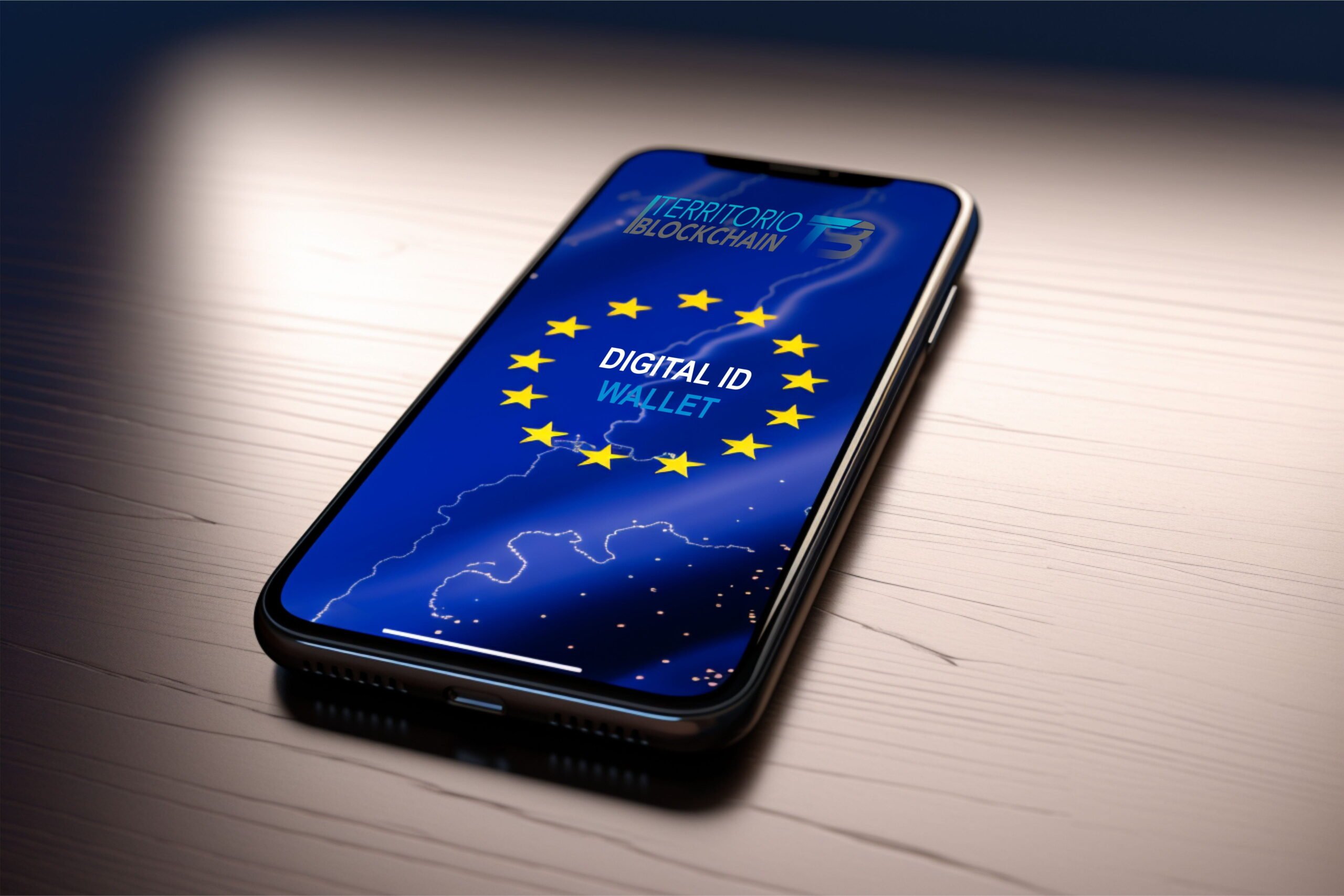
The EU is preparing to launch a new digital identity wallet, as was decided in the eIDAS 2.0 regulation. The goal of the wallet is to give EU citizens a simple, safe way to prove their identity online.
Passwords, two-step authentications, and complex logins have long been a problem for EU users and businesses, and this innovation should change that.
The idea has also been met with some skepticism and concern, as some feel it would constitute an invasion of privacy. In this article, we’ll delve deeper into how the wallet would work and its features.
What Exactly Is the EU Digital Identity Wallet?
The EU digital wallet is a smartphone app that lets users store verified credentials, such as IDs, driver’s licenses, payment cards, and even university diplomas. That way, users can verify their identity online and use it to log in to apps and services without relying on passwords.
One of the most important features of the wallet is that users can choose which ID documents they want to disclose to which apps and services. This provides a new level of privacy while allowing users to log into a variety of online services.
The wallet works offline, allowing in-person identification without connectivity.
Stronger User Authentication and Reduced Identity Fraud
Current authentication methods have numerous flaws and vulnerabilities that both users and businesses are aware of. These systems expose users to potential fraud such as phishing, SIM-swap attacks, credential stuffing, and account takeovers.
Businesses can request some identity attributes from their users, such as age, nationality, or home address, and users can send them a cryptographic version of that data. That way, the business gets the information they need without the risk of identity theft.
For businesses, this cut costs, as ensuring this data was transmitted safely was their responsibility and therefore an expense they had to cover. As more users buy things online and use online services regularly, costs have been increasing.
E-Commerce Transformation: Faster Checkouts and Verified Buyers
E-commerce will be the industry to feel the effects of the digital wallet first and most significantly. Businesses such as Bitcoin sportsbooks have already felt the need to comply with age-restriction regulations without jeopardizing user privacy.
According to experts such as those from Webopedia, these casinos allow users to make payments with Bitcoin without providing personal information, but registering for a sportsbook account does require an ID.
Things will change for EU-based users on a very palpable level. Instead of having to type in email addresses, passwords, and security codes, they’ll be able to join apps simply by using the wallet app on their phones. This will also mean fewer failed transactions, fewer chargebacks, and reduced fraud.
The service will likely expand beyond online services to include digital receipts, product warranties, and loyalty cards. As long as the process remains transparent, it will attract new users and new features.
New Opportunities for Fintech, Payments, and Crypto Platforms
Crypto platforms and payment companies are facing additional scrutiny from regulators. Now that these platforms have large user bases and cryptos are part of traditional financial services, governments are seeking ways to provide additional protections for end users.
For many, cryptos offered an opportunity to make payments and preserve wealth without relying on government services or even traditional fiat money.
However, now that their use is regulated and common, and it’s no longer possible to use those services without providing an ID, some users feel that the very nature of cryptos has changed.
Challenges Ahead: Adoption and Security
There are also challenges and risks involved in using the new ID wallet. First of all, each EU member state may adjust the regulations to fit its own legal system. Use adoption may lag until these issues are resolved.
Centralizing this important feature also comes with risks of its own. If the app is compromised at any point, all the apps the user can log into could be in danger.
Hackers have found ways to compromise personal data despite the most innovative security measures, and at some point, the new ID wallet will be attacked as well.
To Sum Up
The EU has introduced a new digital identity wallet, an app used to verify your identity online by providing certain documents. The app allows users to do this safely and log into their online accounts using a single, simplified system.
With crypto payments becoming part of the mainstream and a younger generation of internet users emerging as the most financially active demographic, there’s a need for greater security in this area.
The wallet is also seen by some users as an invasion of privacy, even though it allows users to choose which documents they submit to which site.
