

When we think of a “dangerous” job, we often picture movie-style stunts or high-speed chases. But in reality, the world’s deadliest professions are often far more gritty, isolated, and physically demanding.
Based on global safety reports for 2026, the risk isn’t just about the work, it’s about the environment. Whether it’s the unpredictability of the ocean or the sheer height of a skyscraper, these workers face fatality rates that are dozens of times higher than the average office job.
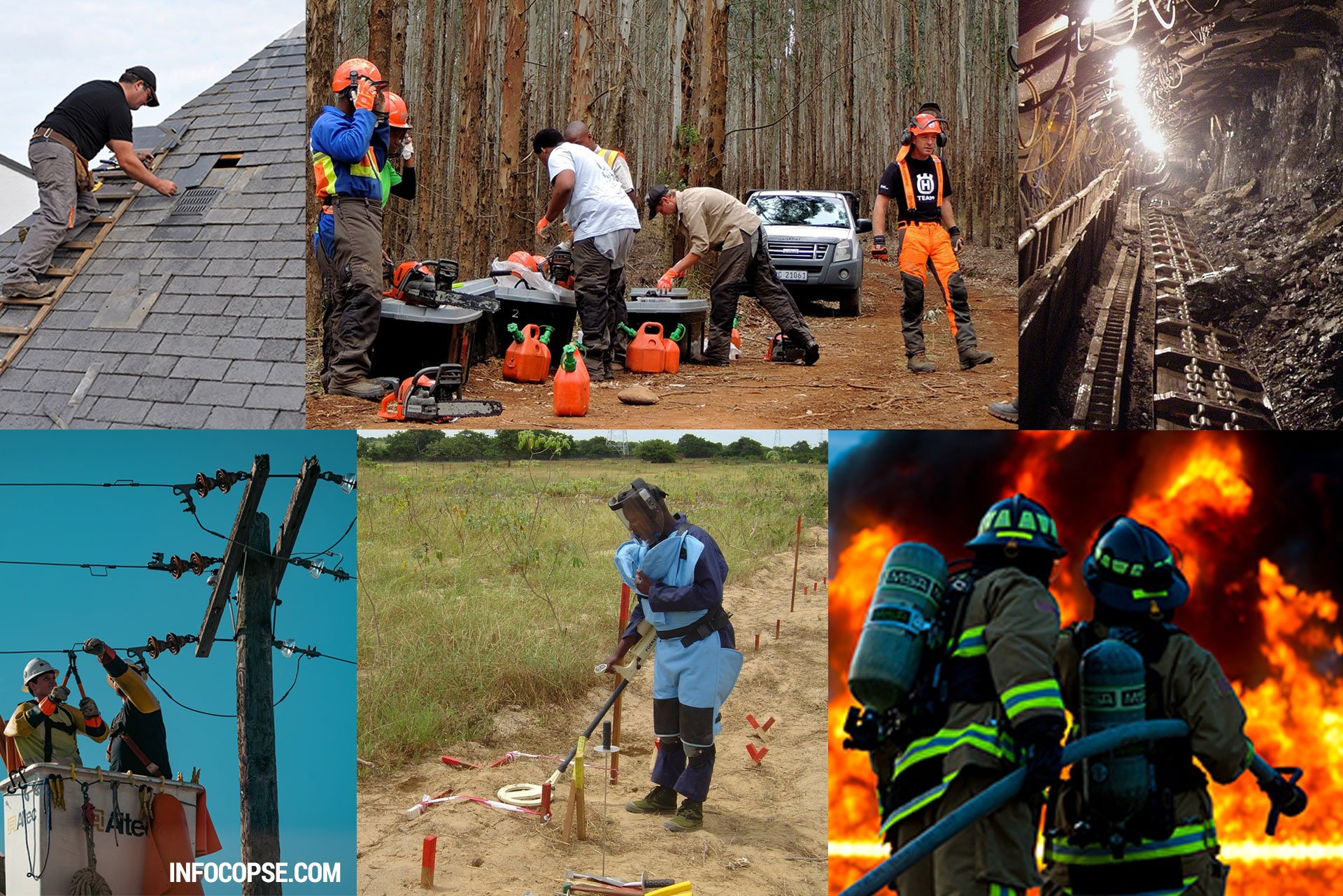
The top 5 most dangerous jobs in the world
Let’s take a closer look at the top 5 most dangerous jobs in the world below, and why it is so important to ensure your workers are efficiently trained to minimise severe or fatal accidents from happening.
1. Logging workers
Fatality Rate: ~98.9 per 100,000 workers
Logging consistently holds the top spot as the world’s most hazardous occupation. The danger comes from a combination of massive weights and unpredictable physics.
- The Risks: Loggers deal with “widow-makers” (loose branches that fall from height) and the extreme tension of felled trees.
- The Environment: Most work happens in remote, steep terrain, far from medical facilities. If an accident happens, help is often hours away.
2. Commercial fishing and hunting
Fatality Rate: ~50.9 to 86.9 per 100,000 workers
While “Deadliest Catch” made the dangers of crab fishing famous, the entire commercial fishing industry is fraught with peril. It is one of the few jobs where the environment itself, the open ocean, is actively trying to kill you.
- The Risks: Drowning, hypothermia, and being struck by heavy gear or high-tension cables.
- The Environment: Workers battle freezing temperatures, slippery decks, and massive swells, often while suffering from extreme fatigue during long “hauls.”
3. Roofers
Fatality Rate: ~51.8 per 100,000 workers
Roofing might seem common, but it is statistically more dangerous than being a police officer or a firefighter. It is the deadliest of the construction-related trades.
- The Risks: Falls are the primary cause of death. Sloped surfaces, loose materials, and unexpected gusts of wind make every step high-stakes.
- The Factors: Heat exhaustion also plays a major role; working on a black asphalt roof in mid-summer can lead to dizziness, which is a lethal combination when standing on a ledge. Boss Training’s IPAF Safety Harness Training Course is perfect for any job that requires you to be high up.
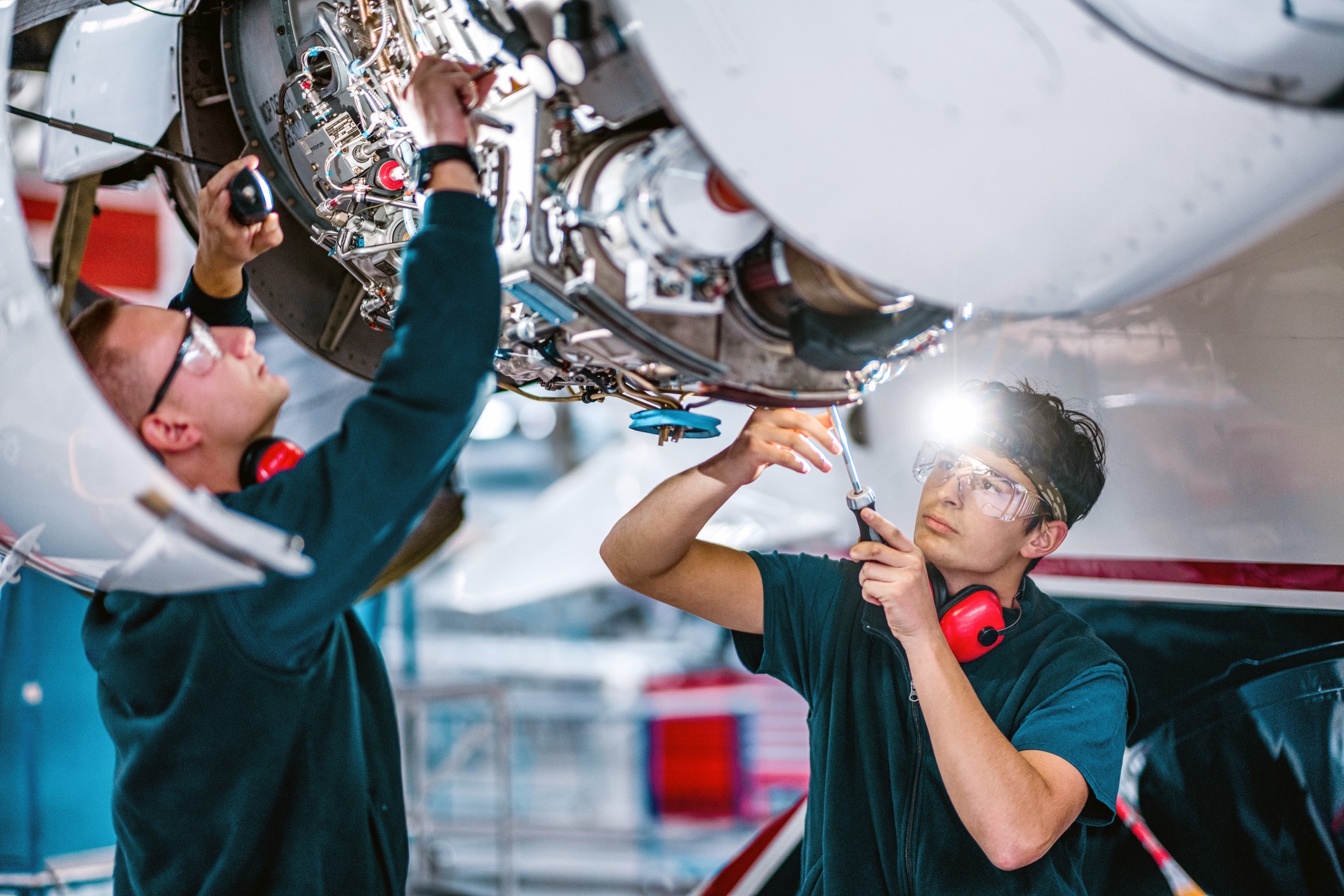
4. Aircraft pilots and flight engineers
Fatality Rate: ~31.3 to 35.9 per 100,000 workers
Wait – isn’t flying the safest way to travel? For commercial airline passengers, yes. But for the pilots of small planes, helicopters, and “bush” aircraft, the story is very different.
- The Risks: Mechanical failure in remote areas and volatile weather.
- The Difference: Most fatalities in this category occur in “general aviation”—crop dusting, emergency medical transport, and delivery flights to remote regions where landing strips are unpaved or non-existent.
5. Refuse and recyclable material collectors
Fatality Rate: ~22.6 to 41.4 per 100,000 workers
Garbage collection is an essential public service that carries a surprising amount of risk. It’s not just about the heavy machinery; it’s about the traffic.
The Risks: Being struck by impatient drivers swerving around the truck is a leading cause of death.
The Machinery: Workers also face risks from the powerful hydraulic compactors on the trucks and exposure to hazardous materials or chemicals hidden in the waste.
Why fatality rates matter?
When we rank these jobs, we look at the fatality rate (deaths per 100,000 workers) rather than the total number of deaths.
For example, while many more people die in general construction or retail, those industries have millions of workers.
The jobs on this list are dangerous because a higher percentage of the people who do them never come home. For more information on our accredited courses, get in touch with Boss Training today.
