

For both facility managers and business owners, procurement can be a game of whac-a-mole. One invoice for stationery gets settled just as a request for safety gear lands on your desk the morning after.
It’s often a fragmented and reactive process that eats up time, but there are some ways to go about fixing this.
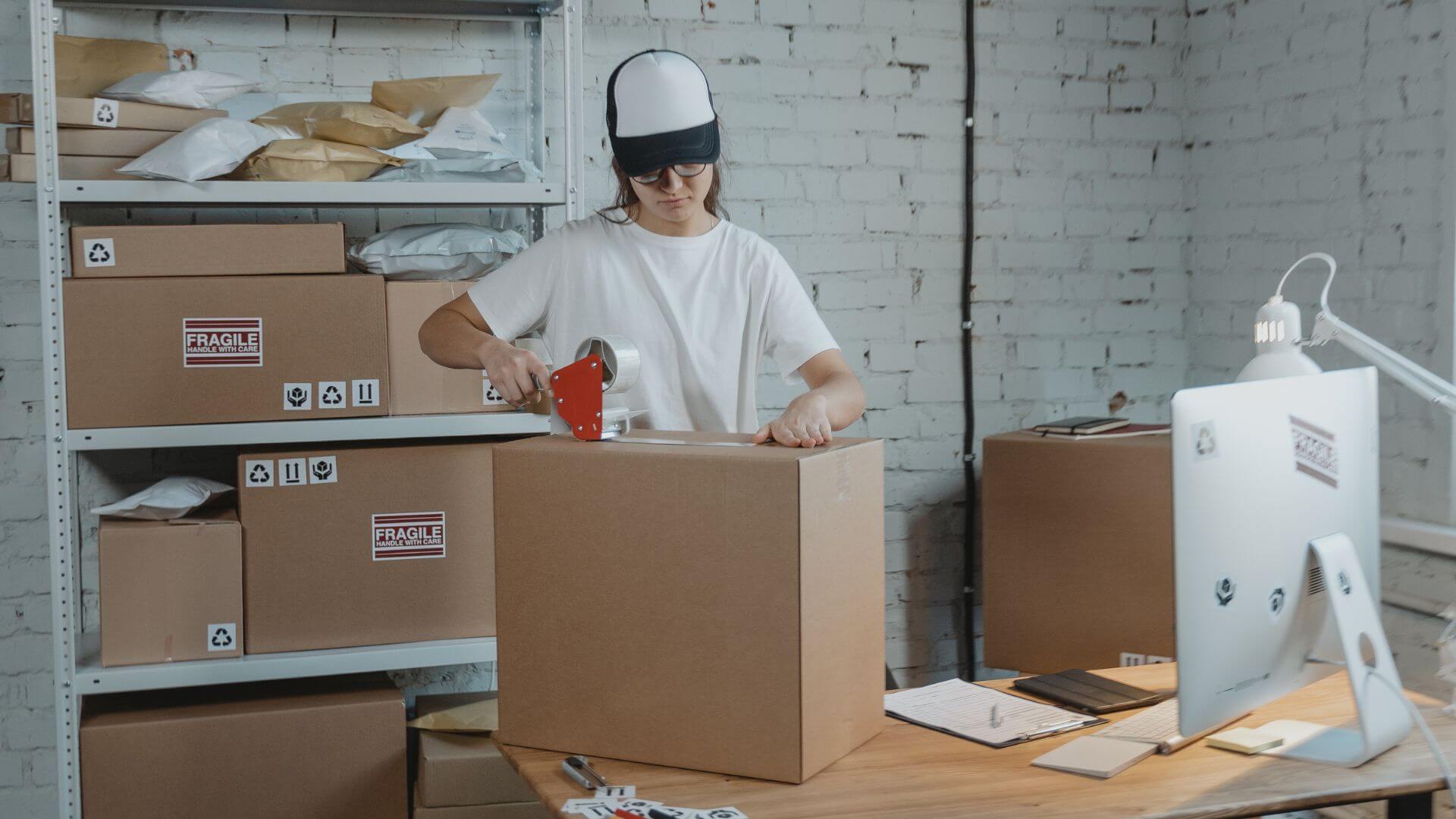
The multi-vendor trap
Having specialist makes sense in theory because a tech supplier will provide cutting edge electronics for good rates, while an industrial supplier will have all the safety gear for your needs. But this becomes a problem when factoring in the soft costs of transaction processing.
Every new supplier adds administrative friction. You have to:
- Set them up in your finance system
- Credit check them
- Manage a unique set of login credentials
- Deal with more invoices, making accounts payable more complex
- Pay more for delivery, banking fees and error corrections
Raising separate purchase orders for a box of paper clips and a crate of safety goggles is a problem. You’re doubling your administrative tax.
By consolidating unrelated categories as much as possible, like finding a single vendor that sells both ear defenders and Epson ink cartridges, means reducing the invoice processing.
Tackling “maverick spend”
A big budget leak is maverick spend, which is unmanaged, off-contract purchasing. This is when an employee finds the approved procurement process too slow or complicated so they end up just buying what they need from a random online retailer.
Maverick spend is of course dangerous for a couple of reasons. Firstly, you’re losing out on bulk buying power. The little purchases will not be cheap per unit, and so they add up. Secondly, you lose visibility and it becomes even more unmanageable, which leads to more maverick spending.
Consolidation is key yet again. Finding retailers that stock a broad range of supplies solves a lot of these issues.
One delivery, half the carbon footprint
Sustainability is no longer a nice-to-have section in the annual report. It’s a metric that partners, clients, and even employees are scrutinizing very closely. It could be the difference in receiving investment. Procurement sits at the heart of your Scope 3 emissions which occur in your value chain. Logistics is a massive contributor.
Consider the environmental impact of five different couriers driving five different diesel vans to your office to drop off five small packages.
It’s clearly inefficient, but it’s also plain bad for the environment. Streamlining your ordering creates basket building, where you wait until you have a substantial order before hitting checkout.
Many consolidated suppliers now offer eco-delivery days too which are worth considering. They group orders for a specific area to minimize mileage – it’s yet another tick on the ESG reporting.
Connecting the carpet and the concrete
One of the most overlooked advantages of streamlined procurement is the cultural bridge you can build between office and industrial staff.
These two groups often operate in different worlds as if they’re not connected. Different budgets, different standards of care, and so on.
When you unify your supply chain, you can begin to standardize quality across the board. The warehouse team can get their PPE as quickly as the finance team gets their toner. It stops any friction or hierarchy in which one department feels the other has priority.
Then there’s cross-pollination of safety and productivity standards… A consolidated supplier will tend to have expertise in both fields, so they might suggest an ergonomic chair for the office staff (borrowing from health and safety principles) or a whiteboard system for the factory floor (borrowing from office productivity tools).
Building a superuser culture
To make this work, you’re going to need to move beyond just picking a vendor and actually build a process. The superuser model here is a useful template.
Instead of letting everyone order whenever they want, it can be useful to designate just one person per department to be the superuser.
They collect requests from their team, be it for a new headset or a replacement hard hat, and then place a single, consolidated order once a week.
Sure, the downside is a slight delay in the order, and there can be exceptions or high urgency, but the superuser ultimately makes that decision.
This does three things:
- It forces a cooling-off period to prevent unnecessary “urgent” orders.
- It increases the order value to get better volume pricing and free shipping.
- It improves data quality by having fewer people inputting orders.
Streamlining your procurement has direct savings benefits through volume ordering, fewer deliveries, and broader expertise.
But it also helps create a culture shift that can dissolve barriers between departments. By treating your office consumables and your industrial safety gear as two sides of the same coin, you gain more control.
Ideas can spread between these departments, and the result is an improvement in safety all while decreasing waste.
