

The Counter-Strike skin market has transformed from a simple cosmetic feature into a sophisticated financial ecosystem worth over $5 billion.
Market data shows that counter strike skin gambling and trading activities generated over 6.9 million site visits in February 2026 alone, surpassing traffic levels of established licensed casinos.
This virtual economy now operates with its own price discovery mechanisms and speculative instruments that mirror traditional financial markets.
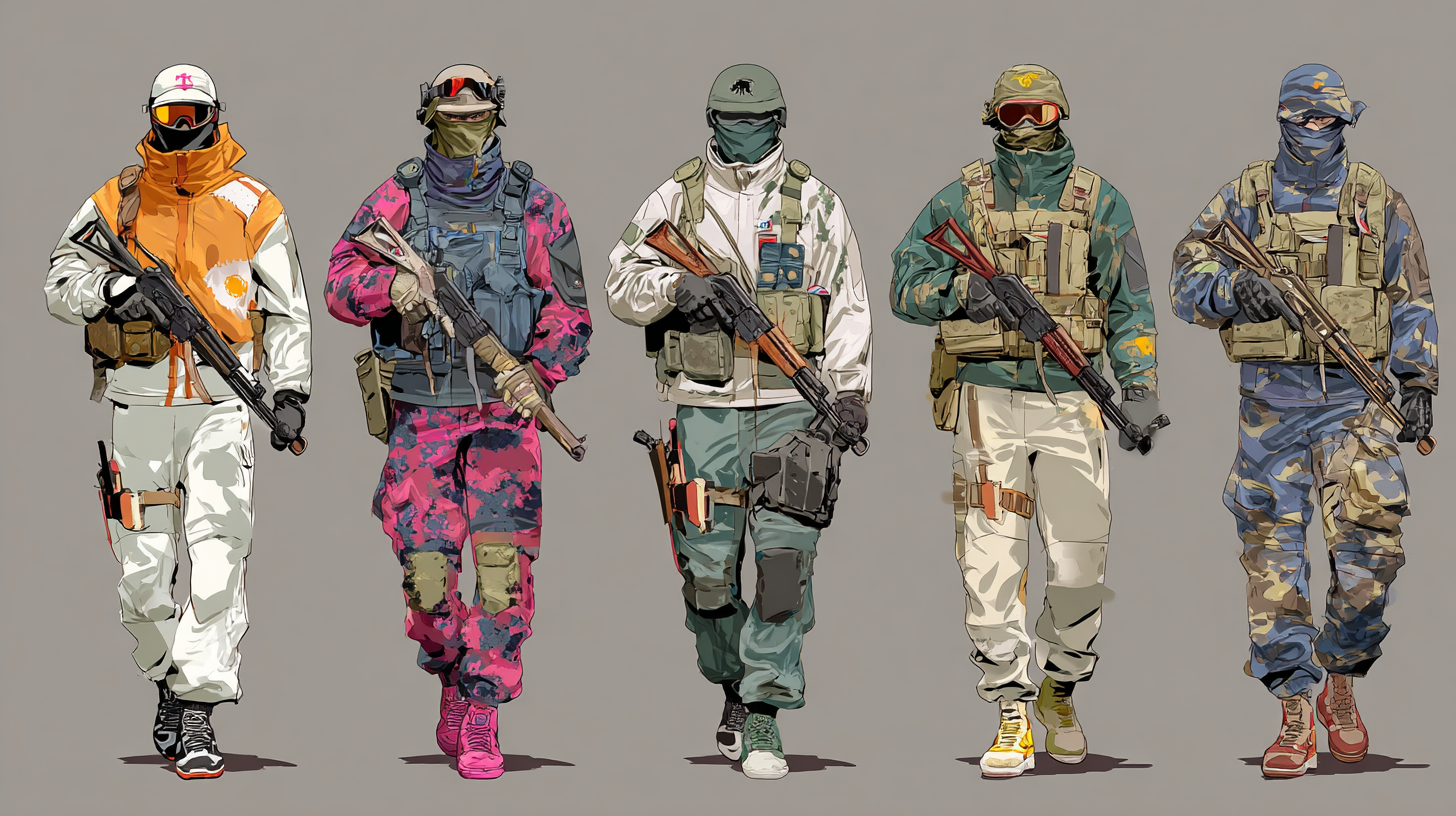
The Foundation of Virtual Asset Markets
Counter-Strike introduced weapon skins through the Arms Deal update in August 2013, creating digital items that altered weapon appearance without affecting gameplay mechanics.
The initial response exceeded expectations—average player counts increased sixfold within seven months of launch.
Rarity determines value in this ecosystem. Skins are classified across multiple tiers, from common industrial-grade items worth pennies to exceptionally rare patterns commanding six-figure prices.
The most valuable documented transaction involved an AK-47 Case Hardened pattern that sold for approximately $1 million in 2024.
Third-party marketplaces emerged to bypass Steam’s transaction limitations. Platforms like Skinport, CS.Money, and BitSkins facilitate peer-to-peer exchanges using real currency or cryptocurrency.
These services charge lower fees than Steam’s 15% commission and enable cash withdrawals that Valve’s platform prohibits.
Economic Patterns and Investment Behavior
Portfolio diversification strategies have developed around skin ownership. Research published in academic journals demonstrates that diversified skin portfolios achieved average annual returns of 66.9% between 2015 and 2026, significantly outperforming traditional equity markets. However, transaction costs averaging 10-15% impact net returns.
Price volatility responds to multiple factors:
- Game updates and patches: New case releases affect supply dynamics
- Professional player endorsements: Skins used by tournament winners experience demand spikes
- Market speculation cycles: Rare patterns attract collector attention
- Regional economic conditions: Players often liquidate inventories during currency devaluations
The Steam Community Market restricts individual transactions to $1,800, forcing high-value trades to external platforms. This creates price discovery inefficiencies where identical items trade at different values across venues.
Entertainment Applications and Risk Factors
Beyond investment and collection, skins function as currency for various entertainment services. Case opening mechanics operate similarly to lottery systems—players pay $2.49 for keys to unlock randomized rewards, where common outcomes hold less value than the key cost.
This creates negative expected value for most participants while generating substantial revenue for platform operators. Research conducted by UK government agencies found that 47.1% of players who own tradeable skins have used them on third-party gambling websites.
These platforms offer casino-style games, case battles, and esports match betting using skins as wagering currency. The study identified several concerning patterns:
- 43.5% of participants started gambling with skins while under 18 years old
- 72.2% reported net financial losses, with average losses exceeding $1,100
- 9% lost over $5,000, with some individuals reporting five-figure losses
- 76.1% of parents were unaware their children engaged in these activities
Age verification remains inconsistent across platforms. Many sites require identification only during withdrawal attempts, allowing minors to deposit valuable items without restriction.
Regulatory frameworks vary significantly by jurisdiction—Sweden and the United Kingdom enforce licensing requirements, while other regions lack clear legal standards for virtual item gambling.
Technical Infrastructure and Market Access
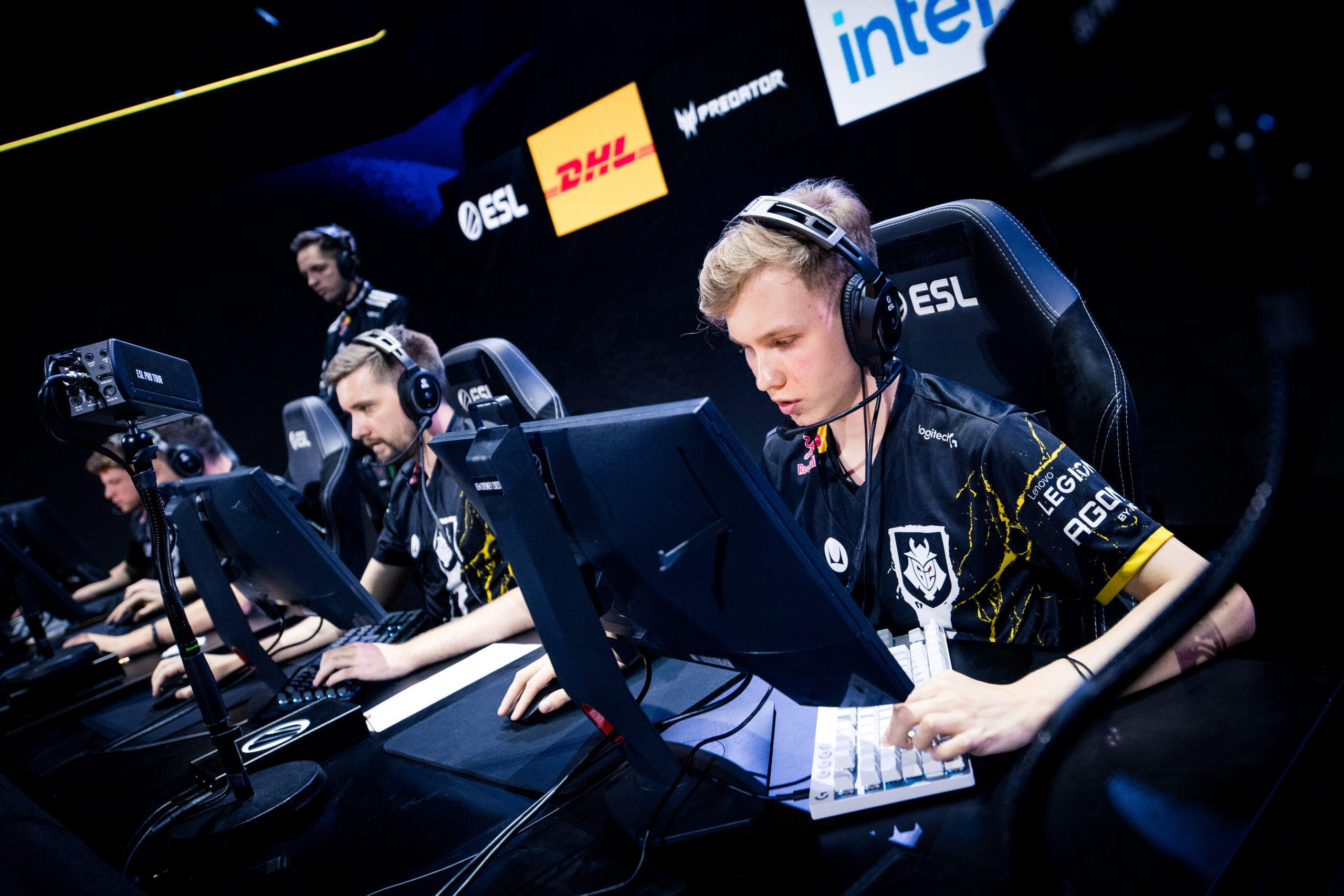
Modern skin trading relies on the Steam Web API, which enables third-party platforms to access user inventories and facilitate automated transfers.
Cryptocurrency payment integration expanded market access, particularly in regions where traditional banking systems restrict gambling transactions.
Provably fair algorithms have become standard features on major platforms. These cryptographic systems allow users to verify that game outcomes weren’t predetermined or manipulated. However, implementation quality varies across operators.
Market manipulation remains an ongoing concern. Historical cases documented on Wikipedia show that prominent streamers received undisclosed sponsorships worth up to $200,000 monthly to promote specific gambling platforms.
In 2024, investigations found that 120 of the top 300 Counter-Strike Twitch streamers maintained active partnerships with gambling sites, often without clear disclosure to viewers.
Platform Evolution and Regulatory Response
Counter-Strike 2’s September 2023 launch transferred all existing skin inventories to the new game, preserving market continuity. The combined market capitalization reached $4.5 billion by April 2026, representing an all-time high.
Valve’s position on third-party gambling has remained consistent—the company publicly condemns these practices as violations of Steam’s terms of service. However, enforcement proves challenging given the decentralized nature of the ecosystem.
Some governments have begun implementing stricter oversight. The UK Gambling Commission now treats skin betting as a regulated gambling activity requiring appropriate licensing. The industry faces pressure to implement stronger age verification, responsible gambling tools, and transparent advertising practices.
Key Considerations for Market Participants
Anyone considering involvement in the Counter-Strike skin economy should understand several critical factors:
- Liquidity risk: High-value items may require extended periods to find buyers at desired prices
- Platform dependency: Market access relies entirely on Steam and third-party services that could suspend operations or restrict accounts
- Regulatory uncertainty: Legal frameworks continue evolving, potentially affecting future trading and ownership rights
- Technical knowledge requirements: Successful trading demands an understanding of rarity tiers, pattern indexes, float values, and market timing
The intersection of gaming, finance, and entertainment that characterizes the skin economy shows no signs of simplifying.
As technology advances and regulatory frameworks develop, this market will likely continue adapting while maintaining its fundamental appeal to collectors, traders, and players seeking both entertainment and potential returns.
