

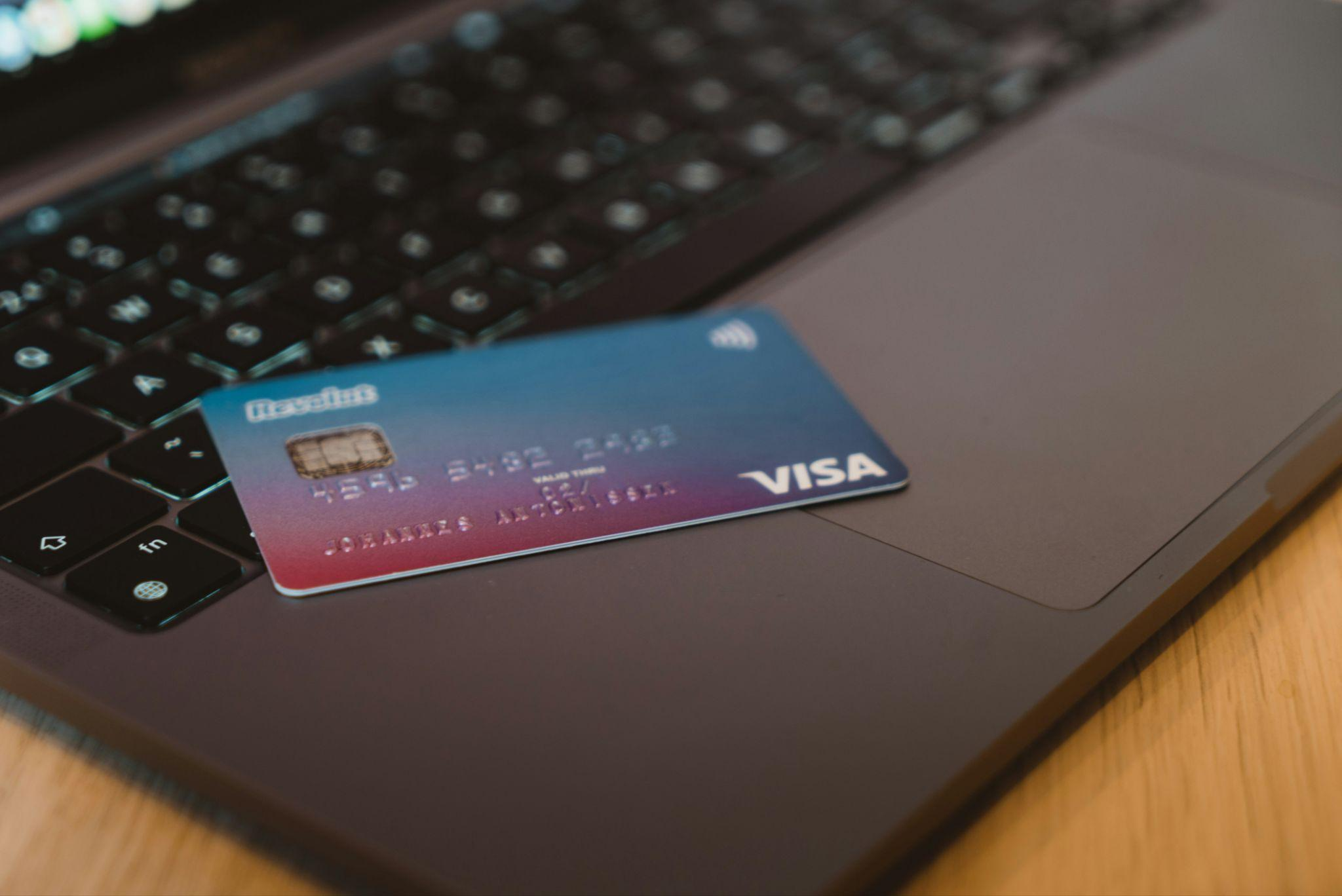
Ever clicked “checkout” only to see a payment page with processors you’ve never heard of? That instant hesitation you feel? That’s your brain recognizing credibility problems. When real money’s on the line, seeing familiar payment logos matters.
After analyzing payment structures across hundreds of online platforms, here’s what I discovered: what a site accepts for payments reveals everything about whether they’re legitimate or a disaster waiting to happen.
Trust me, Visa acceptance serves as the clearest trust signal separating professional operations from fly-by-night schemes that’ll vanish with your money.
Why Visa Acceptance Separates the Pros from the Pretenders?
Visa doesn’t partner with just anyone who fills out an online form. Getting approved as a Visa merchant requires passing compliance checks that would make most sketchy platforms pack up and disappear.
I’m talking about fraud prevention systems, data security audits, and financial stability verification—the kind of infrastructure that costs real money and takes serious commitment.
Here’s what you need to know: when evaluating platforms, top sites accepting Visa have already cleared multiple hurdles that questionable operations can’t.
Visa’s merchant requirements include PCI DSS compliance (Payment Card Industry Data Security Standard), SSL encryption, and regular security audits. All of these are mandatory for maintaining merchant status.
Most people don’t realize that Visa continuously monitors merchant accounts. High chargeback rates, customer complaints, or compliance violations trigger immediate investigation. Platforms can lose their merchant status if they can’t maintain standards. This creates ongoing accountability that directly benefits you as a consumer.
From processors to debit cashback cards, the financial infrastructure required to process Visa payments also indicates operational sophistication.
Platforms need proper business registration, bank accounts, and technical integration capabilities. From what I’ve seen, scam sites typically can’t meet these requirements, which is why they resort to cryptocurrency-only or obscure payment processors.
The Security Infrastructure Behind That Little Visa Logo
That familiar blue and yellow logo represents billions in fraud prevention technology working behind every transaction. When a platform accepts Visa, it’s required to implement specific security protocols that protect your financial data from the moment you enter it.
3D Secure authentication adds a verification layer during checkout. You’ll recognize this as the pop-up asking for a one-time code sent to your phone or requiring fingerprint authentication. Platforms that implement 3D Secure demonstrate they prioritize security even when it costs them some conversion rate.
Tokenization replaces your actual card number with a unique token in the merchant’s database. If the platform experiences a data breach, attackers get useless token strings instead of your actual card numbers. This technology costs money to implement and maintain, which is why legitimate platforms invest in it.
Real-time fraud detection systems analyze every transaction against patterns of suspicious behavior. Location mismatches, unusual purchase amounts, or rapid-fire transactions trigger automatic blocks.
Payment Diversity: The Credibility Multiplier
Here’s something crucial I’ve learned: platforms offering multiple reputable payment options demonstrate something important about their business operations.
Each payment processor conducts independent due diligence before approval. A platform that successfully partners with Visa, Mastercard, PayPal, and other established processors has passed multiple verification rounds.
Payment networks terminate partnerships quickly when merchants generate excessive disputes or compliance violations. I’ve tested dozens of platforms, and the pattern is clear: sites offering 4-5 reputable payment options almost always deliver better service than those limiting you to one or two sketchy processors.
They’ve invested in proper infrastructure and can’t afford the reputational damage that comes with poor customer service.
What Chargeback Policies Reveal About Platform Confidence?
Want a test you should always run? Check how a platform handles disputes. Legitimate businesses accepting Visa must participate in the network’s chargeback process. If they don’t deliver what they promised, you can dispute the charge directly with your card issuer.
Platforms confident in their service quality don’t fear chargebacks. Trust me, I’ve seen the good and the bad—sketchy operations actively avoid payment processors with robust dispute mechanisms. Scam sites prefer irreversible payment methods for exactly this reason.
Visa’s dispute resolution framework gives you leverage. Excessive chargebacks can cost platforms their merchant status entirely, encouraging them to resolve issues quickly and maintain service standards.
Security Standards That Protect Your Financial Data
Payment security extends beyond basic encryption. Keeping digital payments secure requires continuous updates to security protocols, regular system audits, and adherence to PCI DSS standards.
SSL/TLS encryption protects data transmission between your browser and the platform’s servers. Look for the padlock icon in your browser’s address bar to confirm the connection is encrypted.
Two-factor authentication adds another security layer. Even if someone steals your login credentials, they can’t access your account without the second verification factor. Top-tier platforms conduct quarterly penetration testing beyond the minimum requirements.
Why Payment Options Signal Long-Term Platform Viability?
When you use Visa on a platform that’s properly integrated with the network, you get purchase protection, fraud liability limits, and dispute resolution processes. These protections disappear when platforms push you toward alternative payment methods with zero consumer safeguards.
The platforms that invest in Visa acceptance are planning to operate long-term, serve customers properly, and maintain relationships with financial partners who demand accountability. That’s exactly the kind of platform you want handling your money.
