

Port congestion doesn’t happen overnight, but when it does, the effects ripple across entire supply chains. A delayed shipment in Los Angeles can mean empty shelves in Dallas or a production line shutting down in Chicago.
The real challenge isn’t just managing these bottlenecks after they occur—it’s seeing them coming before they wreak havoc.
That’s where port congestion analytics enters the picture, turning mountains of operational data into actionable predictions that help logistics managers stay ahead of delays.
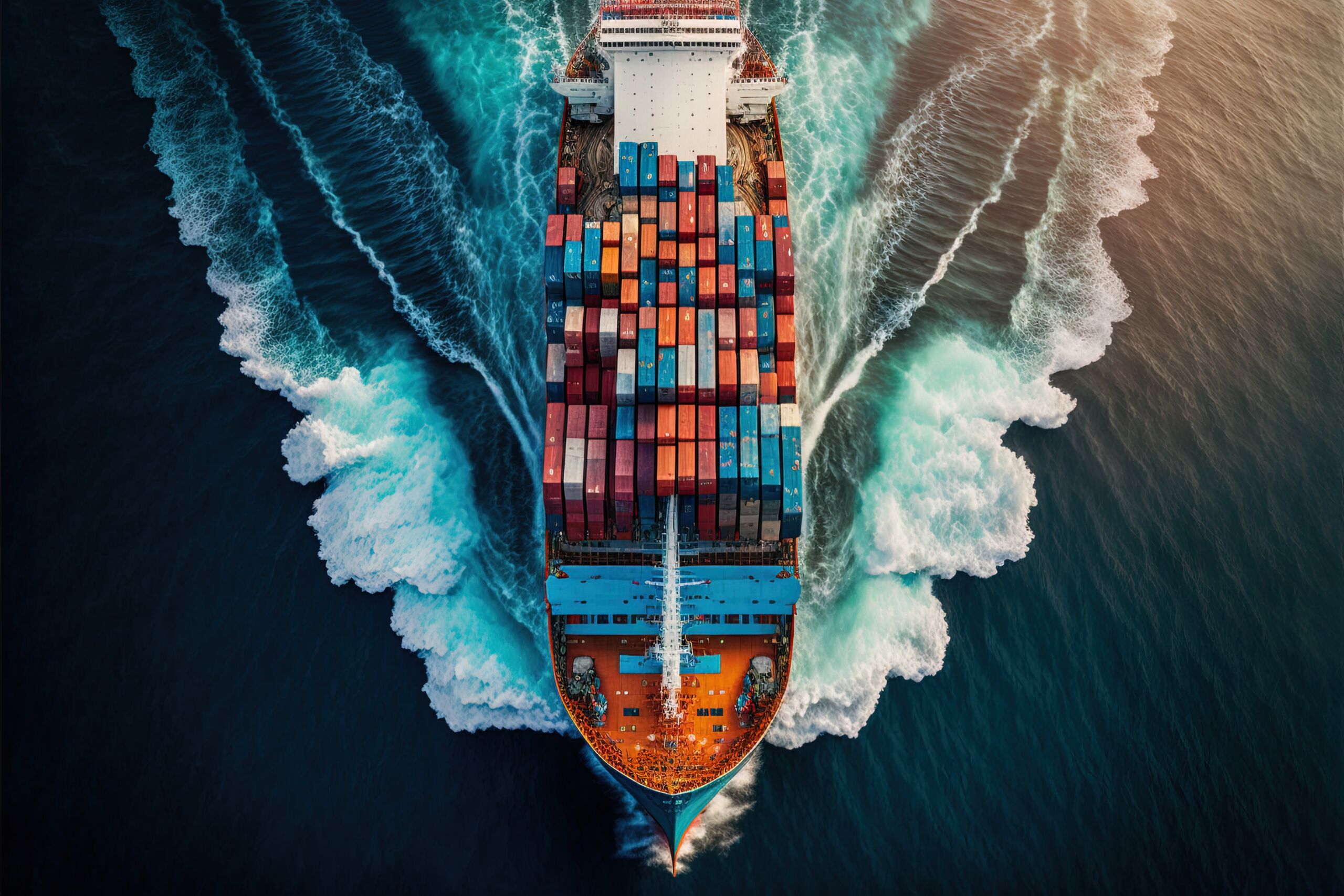
The stakes are higher than ever. Global trade volumes continue climbing, vessel sizes keep growing, and port infrastructure struggles to keep pace.
Understanding how to measure and predict these chokepoints has become essential for anyone moving goods across oceans.
What Creates Port Congestion in the First Place?
Congestion stems from multiple pressure points converging at once. When three mega-ships arrive within hours of each other, berths fill up fast.
Add in a shortage of longshoremen, a backlog of chassis, or customs delays, and you’ve got a recipe for gridlock. Weather disruptions and equipment failures only compound the problem.
The knock-on effects extend far beyond the dock. Vessels waiting at anchor burn fuel and miss their next port windows.
Containers pile up in yards, blocking access to other cargo. Truck drivers face extended wait times, cutting into their available driving hours.
Each delay creates another, building a cascade that can take weeks to untangle. Modern analytics platforms track these interdependencies, mapping how one breakdown triggers others across the terminal ecosystem.
What makes measurement tricky is that congestion metrics vary by facility. Average dwell time might signal trouble at one port but represent normal operations at another.
Berth occupancy rates, truck turn times, rail capacity utilization—each metric tells part of the story, but context matters enormously.
Measuring Congestion Through Real-Time Data Streams
Effective analytics starts with gathering the right signals. AIS transponders broadcast vessel positions and speeds, revealing when ships slow to a crawl miles offshore.
Terminal operating systems generate timestamps for every container move, gate transaction, and equipment deployment. These data points, when aggregated and analyzed, paint a detailed picture of throughput capacity versus actual demand.
The best systems don’t just collect information—they normalize it across different sources. A container’s journey involves dozens of handoffs between ocean carriers, terminal operators, trucking companies, and rail providers.
Tracking these transitions requires integrating data from siloed systems that often don’t speak the same language.
Returnable container tracking represents one piece of this larger puzzle, helping companies maintain visibility over assets as they cycle through complex logistics networks.
Port performance benchmarks provide another layer of insight. Comparing current crane productivity against historical averages highlights when operations are slipping. Gate processing times reveal whether yard congestion is affecting truck turnaround.
Rail on-dock velocity shows how quickly containers move from ship to train. Together, these indicators create a congestion index that quantifies what would otherwise remain a vague sense of “things are backing up.”
Predictive Models That See Around Corners
Forecasting congestion requires more than just extrapolating current trends. Machine learning models ingest historical patterns, seasonal fluctuations, vessel schedules, and external variables like labor negotiations or port expansion projects.
They identify correlations that human analysts might miss—like how a spike in agricultural exports during harvest season consistently coincides with chassis shortages three weeks later.
These predictive capabilities transform operations planning. Instead of reacting to congestion after containers start piling up, terminal operators can shift resources proactively.
They might schedule additional gate hours before a predicted surge or reroute vessels to alternate berths. Carriers can adjust their networks, skipping congested ports in favor of nearby alternatives with available capacity.
The accuracy of predictions improves as models learn from outcomes. When a forecast anticipates a two-day dwell time increase and reality delivers three days, the algorithm adjusts its parameters.
Over time, this creates increasingly reliable projections that account for the specific quirks of each facility, from how quickly a particular crane operator works to how weather patterns affect specific berths.
Putting Analytics Into Action Across Supply Chains
Data only creates value when it drives decisions. Shippers use congestion forecasts to adjust their booking strategies, avoiding predicted bottlenecks or building extra buffer time into delivery commitments.
Freight forwarders leverage real-time terminal status updates to route containers through less crowded facilities. Beneficial cargo owners can resequence production schedules based on revised arrival estimates.
The collaboration aspect matters just as much as the technology. When ports share congestion data with their customers and stakeholders, everyone benefits from improved coordination.
A terminal might publish daily updates on current yard utilization, expected vessel arrivals, and projected gate density.
This transparency allows trucking companies to schedule pickups during off-peak windows and helps railroads stage equipment more effectively.
Long-term infrastructure planning also relies on these analytics. Port authorities analyze historical congestion patterns to justify berth expansions, yard reconfigurations, or technology investments.
They can model how adding automated stacking cranes would affect throughput under various demand scenarios, making the business case for capital expenditures with hard data rather than gut instinct.
The Road Ahead for Port Intelligence
As global supply chains grow more interconnected, the ability to measure and predict port congestion will only become more critical.
The tools continue evolving—satellite imagery now supplements AIS data, IoT sensors track individual containers in real time, and blockchain platforms create shared visibility across trading partners.
What once required armies of analysts poring over spreadsheets now happens automatically, with alerts firing when anomalies emerge.
The ports that embrace these analytical approaches gain competitive advantages. They attract more cargo by demonstrating reliability. They optimize asset utilization, squeezing more throughput from existing infrastructure.
Most importantly, they help their customers navigate an increasingly complex logistics landscape with confidence, turning uncertainty into manageable risk through the power of data.
