

Launching a promotional campaign is one of the most effective ways to build brand awareness and engage with customers.
Everyone loves the chance to win a prize, whether it is a simple gift card or a luxury vacation. However, for companies operating within the European Union, organizing a lottery or sweepstakes is not as simple as picking a name out of a hat.
The legal landscape is a complex patchwork of national regulations and EU-wide directives that can trip up even the most experienced marketing teams.

Before you design your graphics or write your social media posts, you must understand the rules of the game.
Failing to comply with these regulations can lead to hefty fines, cancelled campaigns, and significant reputational damage. To help you get started, here is a quick checklist of the primary factors you need to evaluate before launch.
- Determine the nature of the game: Is it based on skill or pure luck?
- Check territorial scope: Are you running this in one country or across the whole EU?
- Review data policies: Do you have a plan for GDPR compliance?
- Verify local registrations: Do you need to register the contest with local authorities?
- Draft clear terms: Are your Terms and Conditions accessible and transparent?
Understanding the Mechanics of Entry
When you move your campaign to the digital world, the way users enter your contest is just as important as the legal definitions.
You are essentially asking users to trust you with their data in exchange for a chance to win. This requires a robust and secure system for registration and identity verification.
In highly regulated industries, this level of security is standard practice. For example, in the online gaming sector, platforms must ensure that every user is verified and secure before they can participate.
A user might navigate to the vox casino logowanie page to securely access their personal dashboard, where they can manage their funds and view available games.
Similarly, when you run a large-scale promotional lottery, you should implement a secure entry portal that protects user data just like a gaming account, ensuring that participant information is handled with the highest level of care and security.
The Critical Divide Between Skill and Chance
The most fundamental legal distinction in European promotional law is the difference between a game of skill and a game of chance. This distinction dictates which laws apply to your campaign and how much tax you might have to pay.
A “game of chance” is defined as any contest where the winner is determined by luck, such as a random draw or a scratch card. In many EU countries, these are technically considered lotteries.
Because state governments often hold a monopoly on lotteries, running a private one for marketing purposes can be strictly regulated or even prohibited unless specific conditions are met.
On the other hand, a “game of skill” requires the entrant to perform a task to win. This could be writing a slogan, taking a creative photo, or answering a knowledge-based question. Generally, skill-based contests face fewer restrictions because they are not considered gambling.
However, the “skill” element must be genuine. Asking a question like “What color is the sky?” might be seen by regulators as a sham skill element designed to disguise a lottery.
Why the Distinction Matters for Your Budget
Classifying your promotion correctly can save you a significant amount of money. In countries like Spain and Italy, games of chance are subject to a specific gaming tax, which is calculated as a percentage of the total value of the prizes.
If you run a random draw, you might have to pay this tax to the state. If you run a genuine skill contest, you can often avoid these extra costs, making your marketing budget go further.
Navigating the Patchwork of National Rules
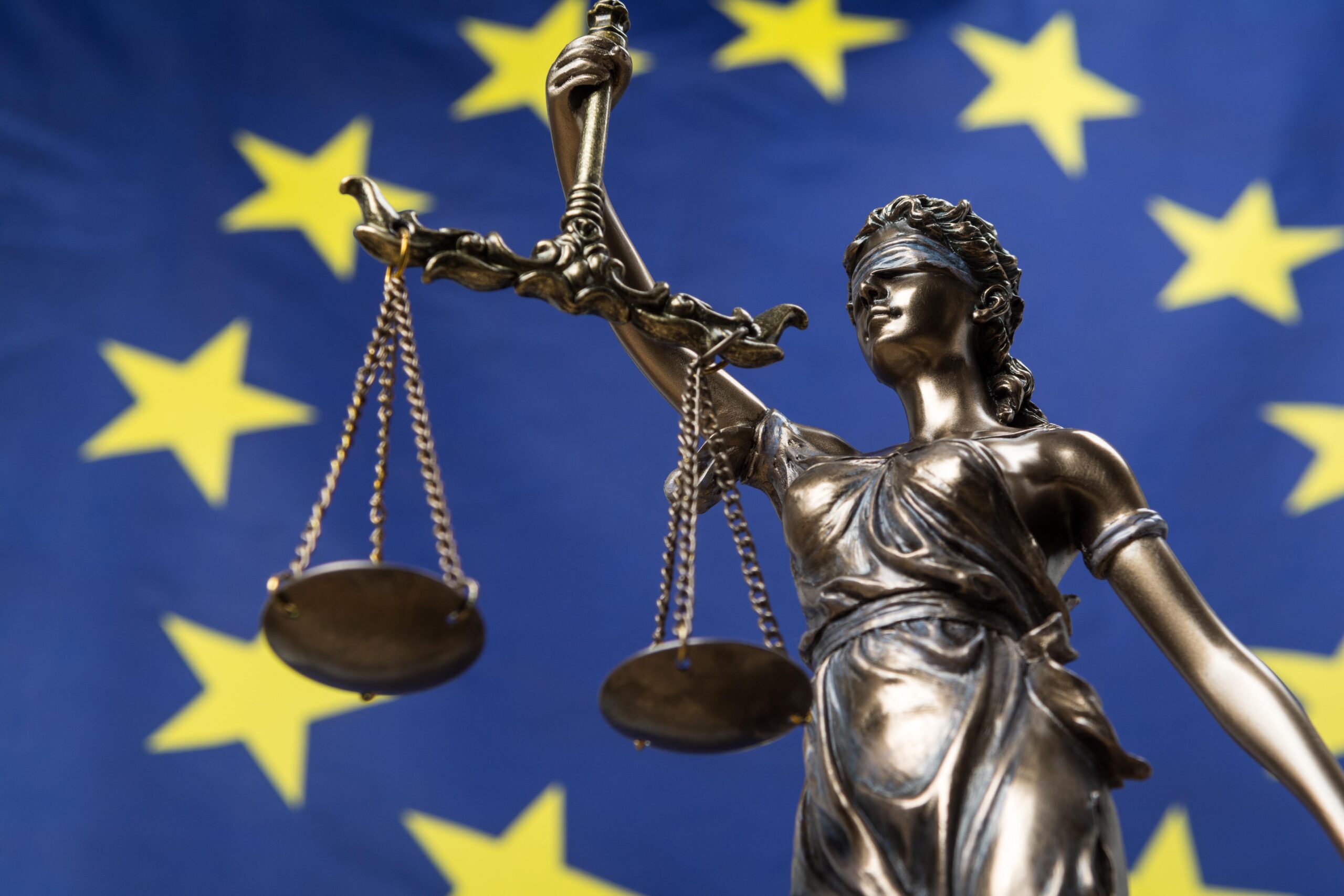
Contrary to popular belief, the EU lacks a unified law for promotional contests. While data privacy is harmonized, gambling regulations vary by state, meaning a legal campaign in France might be illegal in Belgium.
Relying on a single “Pan-European” set of terms is risky; specific country addendums are usually required for full compliance.
Specific Country Examples to Watch Out For
Italy enforces some of the strictest rules, often requiring registration with the Ministry of Economic Development, localized data servers, and a notary for winner selection.
Germany, while slightly more liberalized, demands rigorous transparency regarding participation conditions and closing dates to avoid unfair competition violations.
Data Privacy and GDPR Essentials
Regardless of whether you are running a skill contest or a lucky draw, you are collecting personal data. This brings the General Data Protection Regulation (GDPR) into play. You cannot simply use the email addresses collected from a contest for future marketing unless you have obtained explicit, separate consent.
Your entry form should have a clear “opt-in” checkbox for the contest and a separate “opt-in” checkbox for your newsletter.
You cannot force someone to subscribe to your marketing emails just to enter the contest; this practice is generally considered a violation of GDPR principles regarding “freely given” consent.
Comparison of Legal Requirements
| Feature | Game of Chance | Game of Skill |
| Winner Selection | Random draw or algorithm | Judged based on merit/effort |
| Regulation Level | High (State monopolies involved) | Moderate (Consumer protection) |
| Tax Implications | Often taxed on prize value | Usually tax-free for organizer |
| Registration | May require government filing | Usually no registration needed |
Ensuring a Safe and Successful Campaign
Running a promotional lottery or sweepstakes in the EU is a high-reward strategy that comes with high-stakes responsibilities.
The key to success lies in preparation. Do not leave the legal review until the last minute. By defining your mechanics early, respecting local nuances, and prioritizing data privacy, you can run a campaign that delights your customers without alerting the regulators.
Always remember that laws change, and this guide is for informational purposes. Before you launch your next big giveaway, consult with a legal expert who specializes in European promotional law to ensure every box is ticked.
