

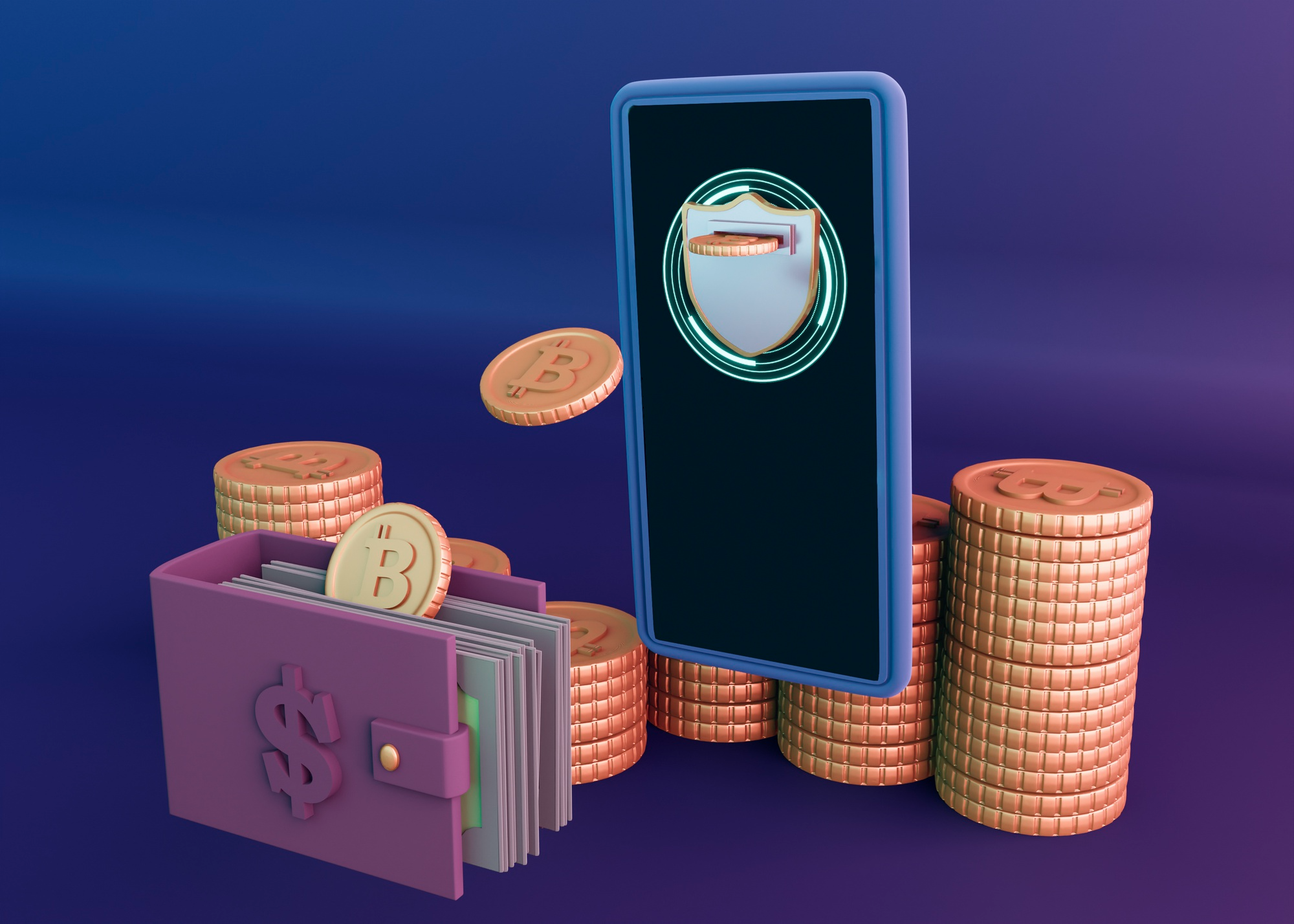
If you own cryptocurrency such as Bitcoin and Ethereum, you need to keep it in a very secure place. And this is where wallets come into play.
The crypto world offers two categories of wallets: cold wallets and hot wallets. Both types provide security for your digital currencies, but they operate differently.
Let us clarify these terms in simple language so anyone can understand.
What Is a Hot Wallet?
A hot wallet is an online cryptocurrency wallet. These wallets have a user-friendly interface and are used for everyday payments. Many users operate hot wallets on their mobile devices, computers, or via online services.
There are several reasons that contribute to the popularity of hot wallets, such as:
- Very simple to create
- Quick to use
- Ideal for instant and fast transactions of crypto
Among the hot wallets are mobile apps, desktop wallets, and web-based wallets. Since they are always online, you can easily check your balance or make payments at any time.
Because they are connected to the internet, hot wallets are more likely to be hacked than cold wallets. Once someone breaks into your wallet or gains access to your password, your funds become susceptible to the same risks.
What Is a Cold Wallet?
A cold wallet is officially a crypto wallet that has no internet connection. Therefore, this wallet is practically immune to online attacks.
Typically, cold wallets are hardware devices, such as USB drives or paper wallets. Some institutional solutions, such as BitGo, specialize in secure cold storage for large cryptocurrency holdings.
Usually, cold wallets are the preferred method for long-term cryptocurrency storage. The less frequently they trade, the more they prefer cold wallets for their security.
Cold wallets are characterized by:
- Excellent security
- Protection against cyber attacks
- Long-term safekeeping
Since these wallets are not online, hackers have difficulty getting to them. Nonetheless, cold wallets might be inconvenient for people who want fast access to their crypto.
Key Differences Between Cold Wallets and Hot Wallets
So now let’s explore cold wallet vs hot wallet clearly:
-
Internet Connectivity
The most notable difference between these two types of wallets is the internet connectivity. Hot wallets are always online, while cold wallets are always offline. This impacts their security level and ease of use.
-
Usage
Hot wallets are better suited for daily use, such as purchasing, selling, or trading crypto. Cold wallets are therefore best for securely holding large amounts of crypto for a longer period.
-
Transaction Speed
Hot wallets would instantly execute transactions, while cold wallets would take longer due to the multiple steps involved in gaining access to your funds.
Which Wallet Is More Secure?
Cold wallets, due to their offline nature, are usually considered the most secure option. As a result, hackers cannot reach them via the internet.
On the other hand, hot wallets are quite safe when used properly. However, they pose a greater risk because they are always connected to the internet.
Nevertheless, hot wallets remain secure enough for daily transactions, especially when strong passwords and extra security features are used.
What Wallet to Choose?
The selection of the right wallet includes all cryptocurrencies. If you are a frequent trader or payment maker, a hot wallet is what you need. In contrast, for long-term asset storage, a cold wallet is the right choice.
Many people would opt for both wallets at once. They have hot wallets for daily transactions that hold small amounts, and cold wallets that hold larger sums for security.
