

Imagine walking into a restaurant and looking at a menu. You, the customer, are the user who wants a specific dish.
The kitchen represents the system that prepares your order. However, there is a missing link between your table and the chef: the waiter.
In the digital world, the Application Programming Interface, or API, is that waiter. It receives your request, delivers it to the system, and returns the response you were looking for.
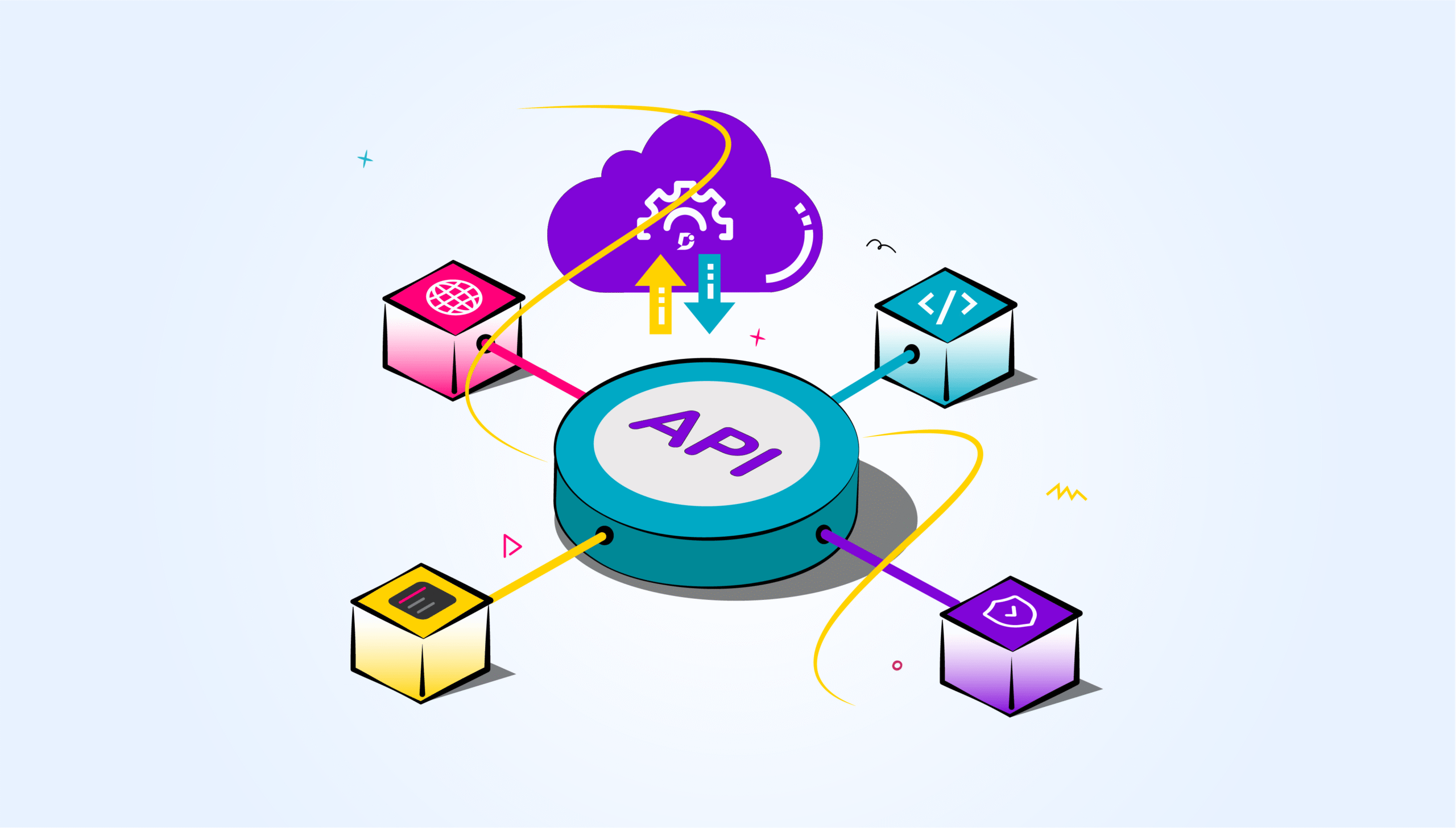
This invisible layer of communication is what allows different software programs to “talk” to each other seamlessly.
Without APIs, the modern internet would be a collection of isolated islands, unable to share data or provide the integrated experiences we have come to expect. From social media feeds to banking transactions, these interfaces are the silent architects of the 2026 digital landscape.
How APIs Act as Digital Messengers?
At its core, an API is a set of rules and protocols that allows one application to access the features or data of another service.
When you use an app on your phone, it connects to the internet and sends data to a server. That server then retrieves that data, interprets it, performs the necessary actions, and sends it back to your phone. The API is the component that handles this delivery, ensuring that both systems understand each other’s language.
Whether you are checking the latest scores on a sports portal or exploring diverse entertainment options on a platform like https://yep.casino/en-gb, APIs are working tirelessly in the background.
These interfaces ensure that external data is fetched securely and displayed correctly on your screen, without requiring you to leave the application.
By providing a standardized way for systems to interact, developers can build complex features without having to start from scratch every time.
Understanding how these messengers function requires looking at the technical standards they follow. Most modern web services use specific protocols to ensure that data remains consistent and readable across different devices and operating systems. These standards prevent errors and allow for the rapid scaling of digital services globally.
Common API Protocols and Standards
The architectural style of an API determines how it handles requests and data. While several formats are available, REST (Representational State Transfer) has become the industry standard for web services due to its flexibility and lightweight nature.
It enables developers to utilize standard HTTP methods for interacting with data, ensuring high compatibility with modern web browsers.
Other protocols, such as SOAP (Simple Object Access Protocol), are often utilized in more formal environments where high security and strict rules are required, such as in enterprise banking systems. Choosing the correct protocol is essential for maintaining the performance and reliability of an application.
The following table provides a clear comparison of the two most prominent API architectures used by developers today to facilitate effective data exchange.
| Feature | REST API | SOAP API |
| Protocol | Uses HTTP/HTTPS | Can use HTTP, SMTP, TCP, etc. |
| Data Format | JSON, XML, HTML, Plain Text | Strictly XML |
| Performance | Faster and more lightweight | Slower due to overhead |
| Security | Supports SSL and OAuth | Built-in WS-Security standards |
While REST is preferred for mobile and web apps due to its speed, SOAP remains relevant for complex transactions that require ACID compliance. Selecting between them depends entirely on the specific needs of the digital service being developed.
APIs in the Modern Service Ecosystem
The impact of APIs is most visible in the way they unify different services into a single user experience. For instance, when a travel website shows you flight options, hotel prices, and car rentals all on one page, it is pulling that information from multiple third-party APIs.
This integration enables businesses to deliver comprehensive value to their customers without needing to own the data or infrastructure of every service they offer.
This ecosystem also enables the “Log in with” feature seen on many websites. Instead of creating a new account for every site, you can use your credentials from a major provider.
The host site utilizes an API to verify your identity with the provider, granting you access while keeping your actual password confidential. This efficiency saves time and reduces the friction of online interactions.
The Vital Role of API Security
As APIs become more prevalent, the security of the data they transport becomes a top priority. Because these interfaces serve as gateways to sensitive databases, they must be protected by robust authentication and encryption.
Modern security practices ensure that only authorized users can make requests and that the data being transferred cannot be intercepted by malicious actors.
Developers implement several layers of protection to maintain trust and integrity within their systems. By using tokens and encryption keys, they can track who is accessing the data and limit the scope of what can be retrieved.
This proactive approach to security enables users to share financial or personal information across platforms safely.
- Authentication: Verifying the identity of the user or application making the request through API keys or OAuth.
- Rate Limiting: Controlling the number of requests a user can make in a specific timeframe to prevent server overloads.
- Data Encryption: Using SSL/TLS protocols to ensure that information is unreadable to anyone but the intended recipient.
These measures form a protective shield around digital services, ensuring that the convenience of connectivity does not come at the cost of personal privacy. As technology advances, these security protocols continue to evolve to meet new challenges.
Enhancing Digital Experiences Through Integration
The world of APIs is constantly expanding, driving innovation in fields ranging from artificial intelligence to the Internet of Things (IoT).
By understanding how these tools function, businesses can more effectively navigate the complexities of the modern digital market.
Whether you are a developer looking to build the next big app or a curious user wanting to know how your favorite services stay connected, the power of APIs is undeniable.
As we move forward, the focus will likely shift toward making these integrations even more seamless and secure. Staying informed about technological shifts is the first step toward leveraging them effectively in your professional or personal digital journey.
