

The stock market has always been regarded as one of the strongest wheels of economic development. Investors have been using it as a main wealth generation tool, retirement planning and a long-term financial stability tool in over a century.
However, over the past few years, the stock market has witnessed unprecedented volatility and uncertainty in the world along with inflation, geopolitics and technological disruption.
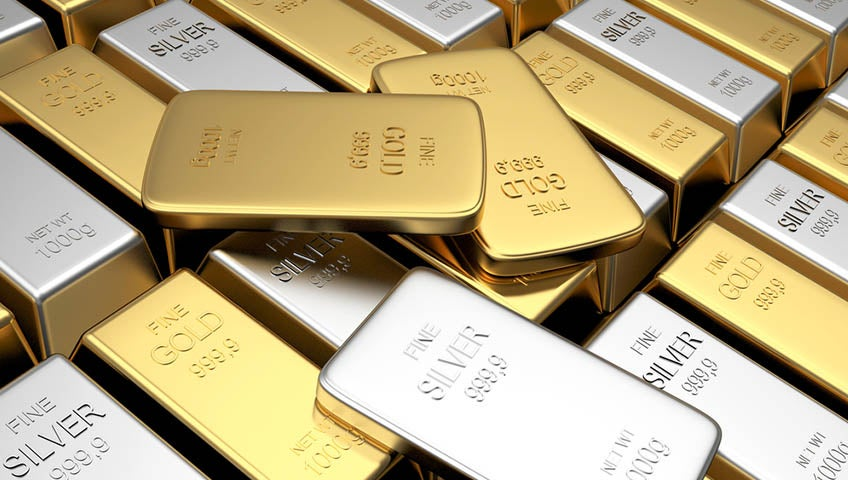
These fluctuations have not deterred the investment, but they have given a fresh development of interest to diversification plans, especially in precious metals.
With the growing number of people considering the thought of balanced financial planning, discussions on physical assets, alternative investments, and hedging strategies have become more frequent. This has caused more focus from companies and education materials on precious metals.
To determine the reasons behind this interest, it is necessary to examine in greater detail stock market behavior, past tendencies of economic stress, and long-term investing psychology.
The Two Faces of the Stock Market
To a good number of individuals, the stock market symbolizes prospects. The boom times brought about unbelievable wealth, inspired innovations, and have assisted people to accumulate comfortable retirement funds. Learn more here https://blogs.worldbank.org/en/opendata/when-uncertainty-rises–gold-rallies.
However, the global uncertainty is also based on the market more rapidly and in a more drastic way than on almost any other financial system.
Markets can be moved within seconds by news events, economic reports, changes in interest rates or a change in consumer sentiment.
Within the last ten years, investors have observed the stock market reach unbelievable heights then plummet in a few weeks or even days.
Such erratic swings have made people review their total exposure to risk. It does not imply that people are leaving equities, but they are seeking more of what offers stability, which is not connected to the corporate-earning reports or technology trends.
This is where the renewed interest in precious metals comes in.
In a Stock-Driven Economy, Why Are Precious Metals Becoming Popular?
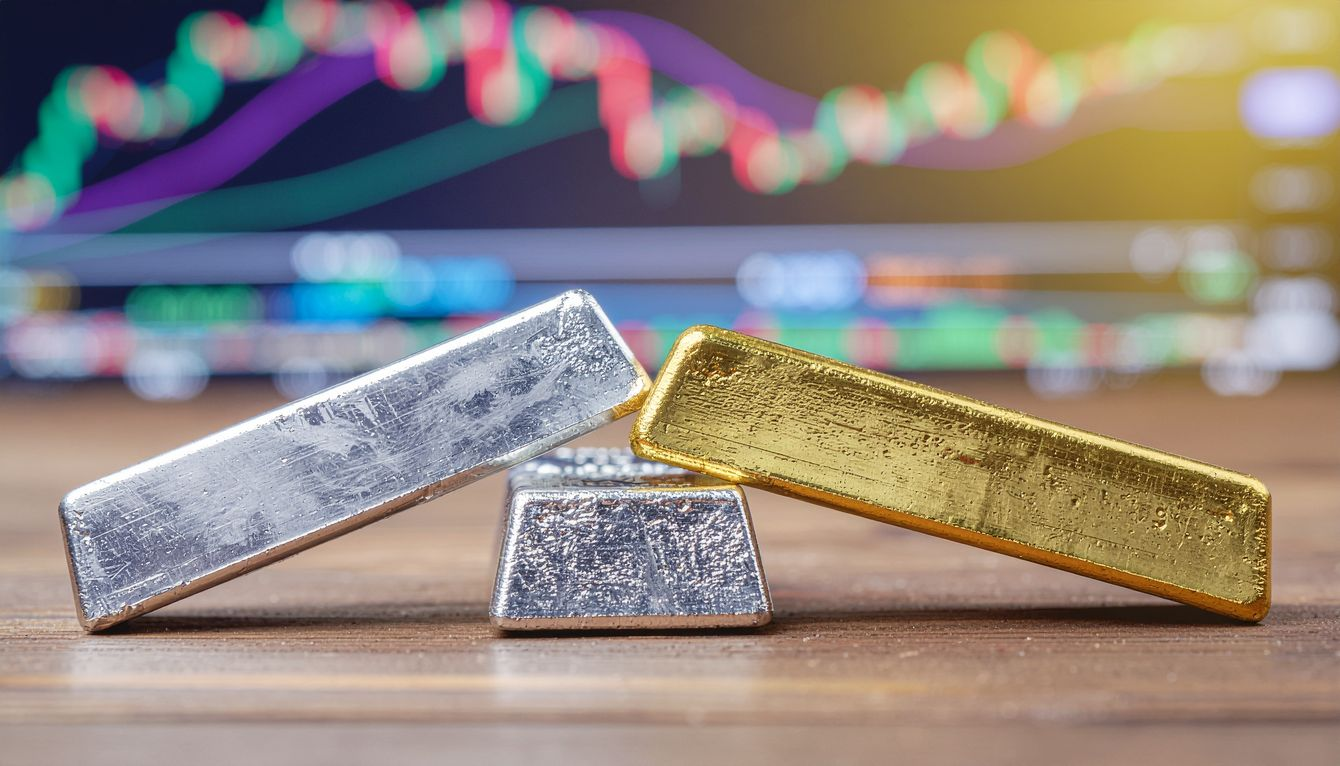
Value has been preserved for millennia by means of precious metals. Particularly ancient compared to contemporary money and conventional stock markets are gold and silver.
Their unusual combination of rarity, longevity, and widespread awareness is what gives them their allure. They are independent of policy decisions made by the central bank, debt cycles, or the performance of corporations.
A lot of people are diversifying their holdings into precious metals as a hedge against the unpredictable stock market. Educational platforms and businesses dealing with them have also become more noticeable as a result of this trend.
Businesses like Goldco are part of this category; they come up frequently when people talk about diversification plans for the future. Although investors should conduct their own research, it’s critical to comprehend the reasons behind the increase in these discussions.
The motivation behind the change is not haste, but rather preparation. The significance of resilience in financial strategy is being reevaluated, and precious metals are becoming more prominent in this discussion.
Unpredictability, Value Loss, and Inflation
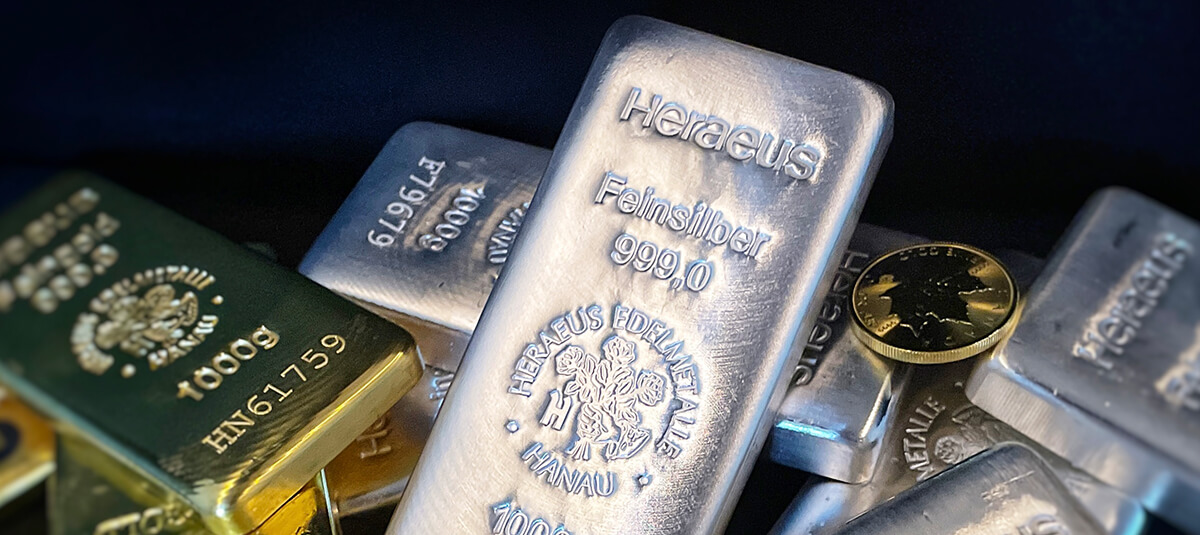
There are few economic issues that have had as much impact as inflation in the last several years. With the value of currency falling and prices going up, investors seek out assets with long-term appreciation potential. Inflationary times have historically been good for gold and silver.
People looking to hedge against currency depreciation may find them appealing because their value often increases when the dollar weakens.
As a result of inflation, a lot of people are curious about actual metals and how they might be part of a diversified investment plan.
Some financial education materials may mention Goldco precious metals or another company as a means to help readers protect themselves from inflation.
Showing how pervasive the conversation has grown across the financial environment is more important than endorsing these companies.
Why Physical Assets Are Comforting from a Psychological and Stability Perspective?
Investing in precious metals differs significantly from investing in the stock market due to psychological factors. Stocks aren’t physical, and their value can fluctuate greatly depending on things that regular people don’t even think about.
On the other hand, precious metals are tangible. These assets are physical and can be easily handled, kept, and understood.
In light of the economic uncertainty, this feeling of “realness” has grown more reassuring. Precious metals have maintained their cultural and economic significance for countless generations, in part because people have a stronger emotional connection to tangible assets.
This psychological reassurance is frequently mentioned in educational materials as a reason why people tend to lean toward metal-based diversity. To reiterate, the objective is not to make a sale but to illustrate the impact of human nature on monetary decision-making.
Investing in Precious Metals Has Been Revolutionized by Technology
Digital tools, online teaching platforms, and improved storage and verification procedures have made precious metals investing more accessible and transparent than ever before.
Buying real metals was a complex process that required professional brokers or dealers a decade ago. Best practices, hazards, and advantages can be found in an easily digestible format in any number of modern sites.
This ease of access naturally leads people to mention precious metals custodian accounts, storage, and diversification strategies when discussing companies like Goldco.
Their inclusion in a broader ecosystem is indicative of how commonplace discussions about precious metals have grown.
The process is now safer and more dependable for investors thanks to technological advancements in authenticity verification, which include strengthened security systems and advanced assays.
Investing in Both Stocks and Metals
The point is not to use them as a substitute for investing in the stock market. Finding a middle ground is more important.
One of the most effective ways to build money is by strategic use of the stock market, but this is true of any tool. Contrasting with the ups and downs of stock prices, precious metals can ease the mental toll that market volatility can take.
Keeping long-term equities investments for growth and using metals as a stabilizing influence is now a mixed approach that many investors choose.
This contributes to the development of a financial plan that is more adaptable and less susceptible to being swayed by market downturns.
