

Exercise is often framed as a chore or a physical necessity, but dance fitness flips this narrative on its head. By blending rhythmic movement with cardiovascular training, it transforms a standard workout into a celebratory experience.
Unlike the repetitive nature of a treadmill, dance requires a connection between the brain and the body that demands presence and expression.
The beauty of this movement style lies in its accessibility. You do not need to be a professional performer to reap the rewards; the focus is on the music’s flow rather than the perfection of the step. This shift in perspective is exactly why so many people are turning to dance to combat the stresses of modern life.
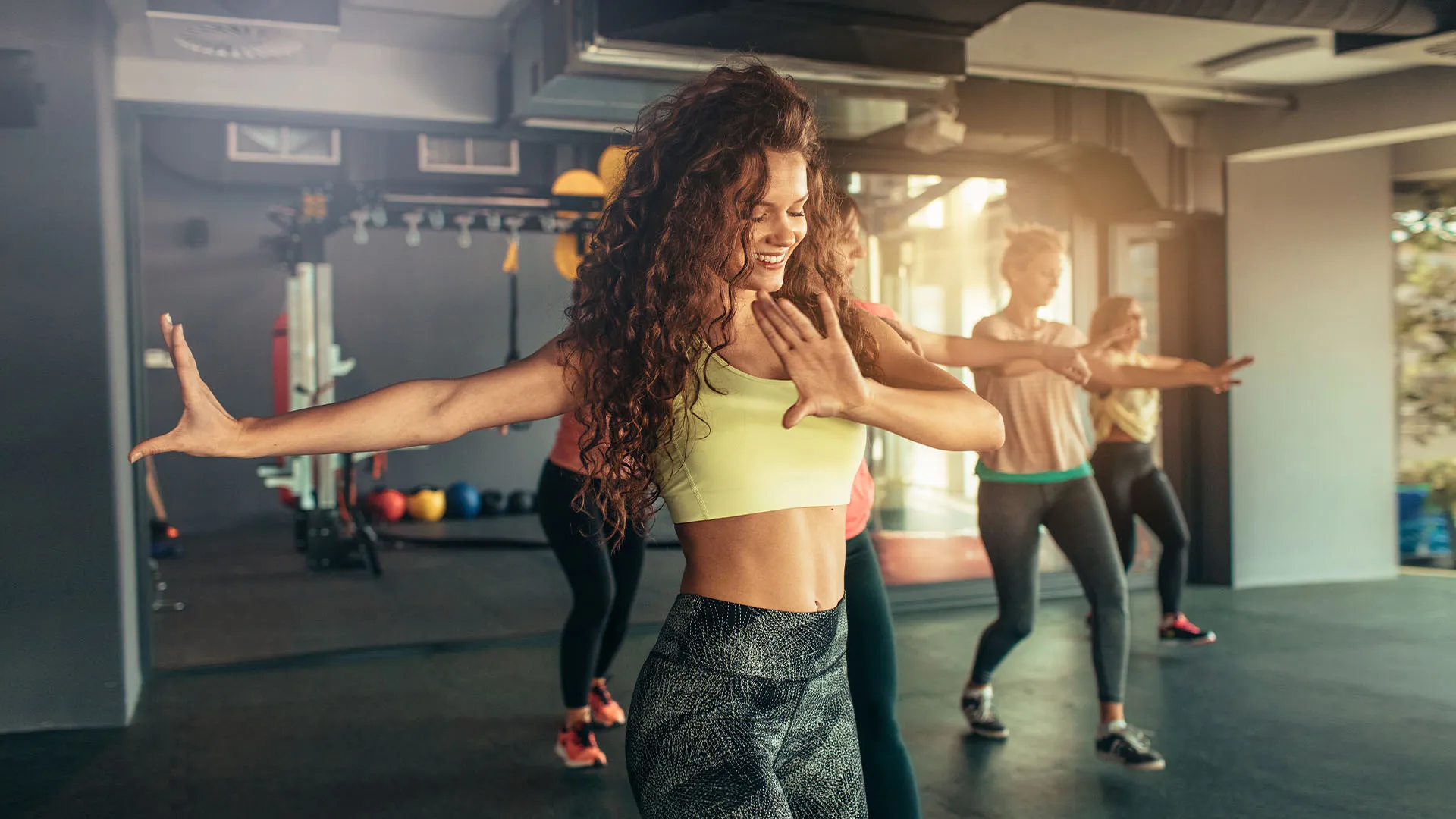
The Neurochemistry of Rhythmic Movement
When you start moving to a beat, your brain releases a potent cocktail of neurochemicals. Endorphins, often called the body’s natural painkillers, work to reduce stress levels, while dopamine creates a sense of reward and pleasure.
This biological response provides an immediate “runner’s high” that is further amplified by the music’s auditory stimulation.
The social and mental engagement required in these sessions offers a unique form of escapism. Many people find that engaging in a high-energy dance class provides a mental reset similar to the thrill of strategic entertainment.
For instance, just as players might explore the diverse gaming options at Vulkan Bet to unwind and find a bit of excitement after a long day playing favorite slots, dancers use the studio to lose themselves in the rhythm and take a break from their daily routines.
Both activities offer a way to engage the senses and boost adrenaline in a controlled, enjoyable environment.
Building Lasting Self-Confidence
One of the most profound effects of dance fitness is its ability to reshape self-perception. At first, many participants feel self-conscious or uncoordinated. However, as the weeks progress and the movements become second nature, that hesitation is replaced by a sense of mastery.
This newfound physical competence often bleeds into other areas of life. When you prove to yourself that you can learn a complex routine or keep up with a fast-paced track, your internal dialogue changes. You start to view challenges as hurdles you can jump rather than walls you can’t climb.
Physical and Mental Gains from Regular Practice
The benefits of dance fitness extend far beyond the duration of the class itself. Because it is a full-body workout, the physiological changes support long-term mental clarity and stamina. The following table summarizes the primary areas of improvement seen in consistent practitioners.
| Benefit Category | Specific Outcome | Why it Happens |
| Cognitive | Improved Memory | Learning choreography strengthens neural pathways. |
| Emotional | Reduced Anxiety | Rhythmic movement regulates the nervous system. |
| Physical | Increased Stamina | Sustained cardio improves heart health and oxygen flow. |
| Social | Community Bond | Synchronized movement fosters a sense of belonging. |
This holistic approach ensures that you aren’t just burning calories, but actively investing in your mental resilience. The combination of music and movement acts as a natural antidepressant that persists long after the music stops.
The Energy Paradox: Working Out to Feel Less Tired
It seems counterintuitive to spend energy to gain it, but dance fitness is one of the most effective ways to combat chronic fatigue.
Sedentary lifestyles often lead to a “mental fog” that stems from poor circulation and low oxygen intake. By elevating the heart rate through dance, you force fresh, oxygenated blood to the brain and muscles.

Why Dance Provides a Unique Energy Surge?
Unlike linear exercises, dance incorporates multi-directional movements. This variety engages smaller stabilizer muscles that are often neglected, leading to better posture and a more “awake” physical presence.
- Vestibular Stimulation: Spinning and shifting weight improves balance and spatial awareness.
- Cortisol Regulation: Intense but fun movement helps flush out the stress hormone cortisol.
- Creative Expression: Letting go of rigid movements allows for an emotional release that prevents burnout.
- Oxygen Saturation: Deep breathing during routines increases overall lung capacity.
By the end of a session, most participants report feeling “revitalized” rather than “exhausted,” a testament to the efficient way dance manages our internal energy stores.
Overcoming the “Bad Dancer” Myth
The biggest barrier to entry is usually the fear of looking silly. It is important to remember that dance fitness is about the “fitness” first.
The goal isn’t to audition for a Broadway show; it’s to move your body in a way that feels liberating. Most instructors prioritize “feeling the beat” over hitting every mark perfectly.
Once you realize that everyone else in the room is focused on their own rhythm, the fear vanishes. This liberation is where the true mood boost happens.
Stepping outside of your comfort zone in a safe, high-energy environment is the fastest way to build a thick skin and a positive body image.
Step Into a More Vibrant You
Dance fitness is more than just a workout trend; it is a tool for total body and mind transformation. By prioritizing the joy of movement over the mechanics of exercise, you unlock a sustainable way to stay healthy, confident, and energized.
Whether it is in a crowded studio or your own living room, the simple act of moving to music can rewrite your mood in minutes.
Why not try a ten-minute dance break today to see how your focus shifts?
