

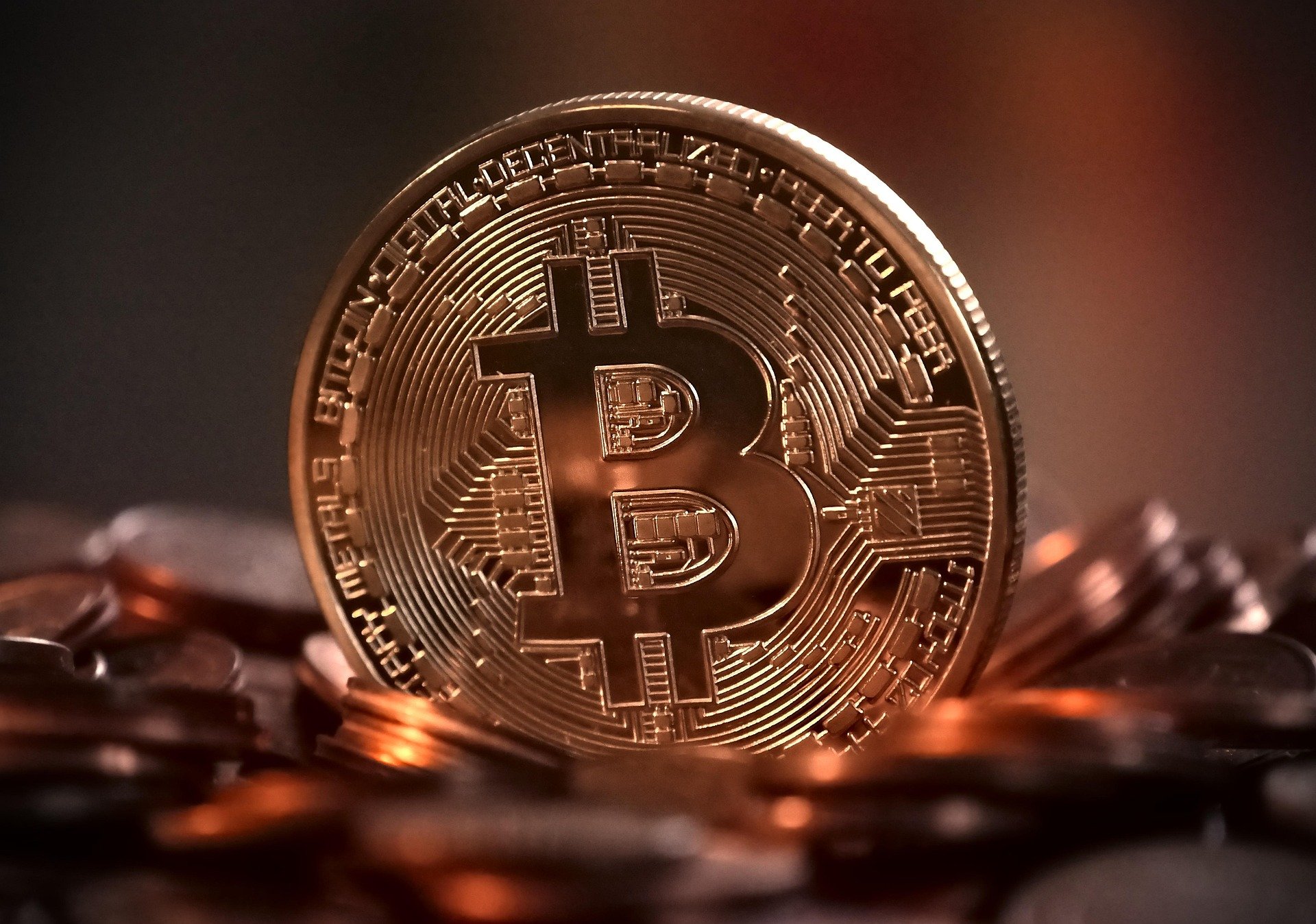
Here is the thing: Blockchain is not a buzzword anymore that tech enthusiasts and cryptocurrency traders use. Today, blockchain has emerged as a practical infrastructure that actually reshapes how industries and communities are operating and interacting.
With that said, you should know that blockchain initially started as the foundation for Bitcoin and other digital currencies. Now, blockchain has expanded into a network of decentralized applications that transform several aspects, such as healthcare, finance, gaming, education, and supply chains.
Read on to learn more about various sectors that are adopting the emerging blockchain platforms.
Who Uses Solana – An Overview
Many businesses and developers are choosing Solana because it is fast, easy to scale, and affordable. We know what you are thinking: who uses Solana? You should know that Solana is widely used by NFT projects, developers building apps, DeFi platforms, etc.
Communities around the world trust Solana for its low transaction costs and speed. The growing ecosystem of Solana supports real-world use cases and innovation.
Blockchain Has Changed Finance & Payments
The finance industry is one of the first to adopt blockchain technology. Compared to traditional banking systems, blockchain technology can be incredibly slow, costly, and limited, especially when it comes to international payments.
You should know that blockchain platforms are designed to solve many of the problems of traditional banking systems by replacing them with fast, secure, and low-cost transactions.
Decentralized finance platforms, also referred to as DeFi, allow blockchain users to borrow, lend, trade, and earn interest without having to rely on traditional finance systems.
Blockchain Has Improved Supply Chains with Transparency
Supply chains involve many parties and steps, which is why keeping track of products can be challenging. With that said, you should know that blockchain makes the entire process so much easier. How, you might ask? It is made easy by recording every step of the process on a secure digital ledger.
This aspect indicates that businesses can effectively track where their products are coming from and where they go. For instance, using blockchain technology, food companies can trace items from farms to supermarkets, which in turn helps food safety.
Blockchain Has Made Healthcare Data Safe & Easy to Share
Healthcare systems manage sensitive personal data, but many healthcare systems still rely on disconnected and outdated systems.
With that said, you should know that blockchain provides a better solution by ensuring medical records are secured safely, along with safe data sharing.
With blockchain, patients can actually control who gets to see their medical information. Hospitals, doctors, and insurance providers can instantly access accurate records, improve treatment methods, and minimize errors.
Final Thoughts – Blockchain Platforms Are Part of Everyday Life Now
By now, you might have already guessed that blockchain platforms have become an integral part of daily life, which is why it is not a future technology.
Several industries, such as healthcare, gaming, supply chains, and creative fields, are immensely benefiting from them. Rest assured, blockchain improves transparency, trust, and efficiency across various systems.
