

Online investment platforms have made a tremendous change in how people invest in the market. What needed a trip to the broker, meetings with a financial advisor, visits to the local trading pit or exchange can now be done in a matter of minutes through digital trading platforms.
Online trading platforms provide investors with quick access to vast market information and a variety of investment tools and techniques.
Financial technology, also known as fintech, is a sector of the economy that has grown and is changing how people invest in the market.
Low account minimums, user-friendly websites, and online educational tools have made investing an easier and less expensive experience for many.
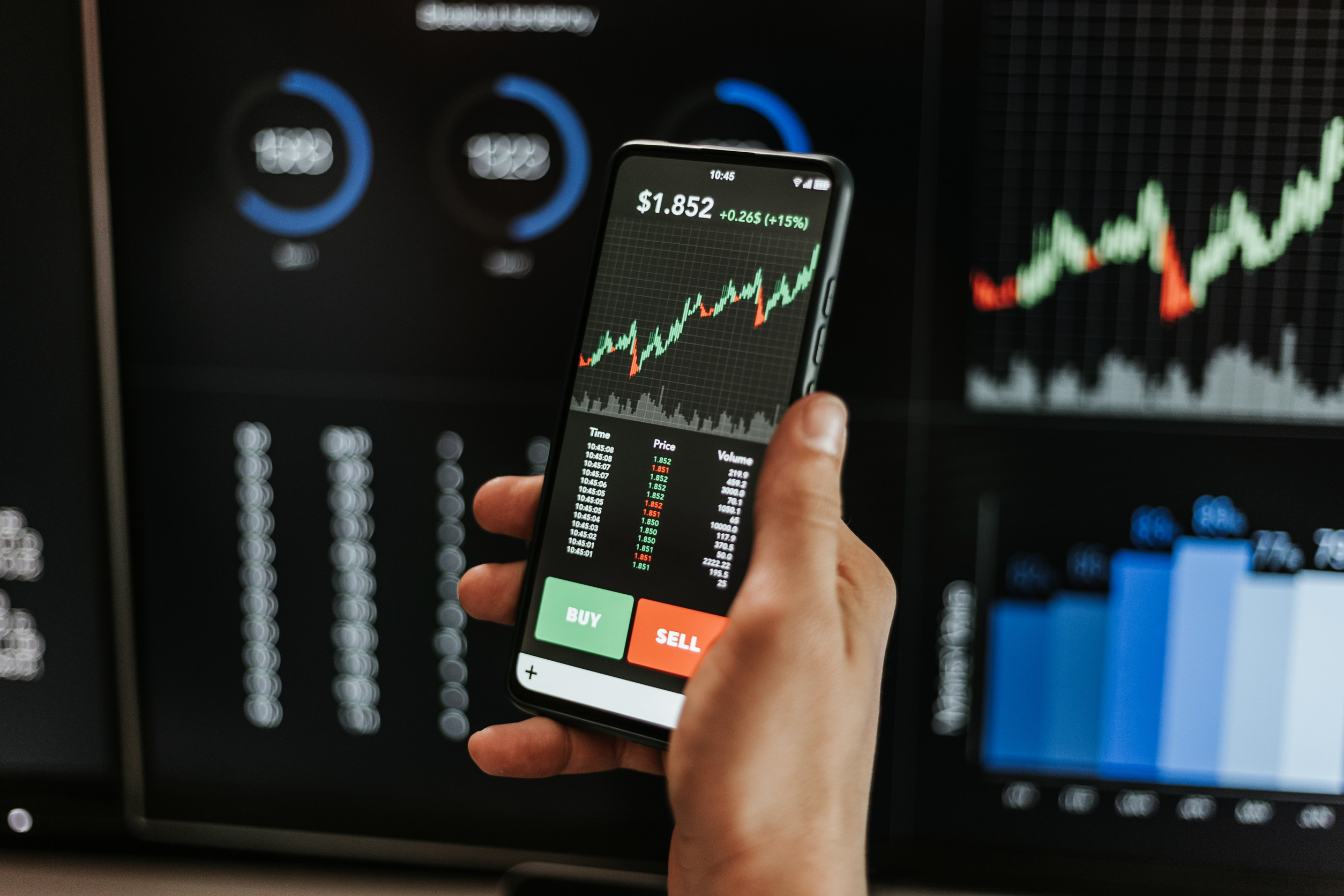
The Evolution of Online Investment Platforms
The early years of online investing were focused on replicating the full functionality of a full-service brokerage house, but online.
Beyond being able to enter electronic online market orders and margin buy/writes, the online aspect of trading was limited.
The trading platforms in recent years have also introduced many new features, including scripts, visualizations, and a portfolio manager.
Many companies have also introduced mobile applications, providing their customers with a constant source of information and an opportunity to make real-time decisions about their investment portfolios.
A significant number of people have gained the opportunity to participate in capital markets, thanks to lower barriers enabled by new technologies.
Key Features to Look for in an Online Investment Platform
When choosing an online investment platform, there are many factors to consider. A primary concern should be the site’s user experience.
Your online experience should be as hassle-free as possible, so you can easily get a clear picture of your investments and make transactions quickly and efficiently.
Therefore, you should look for websites with an easy navigation system, a clear and relevant feed of information on your dashboard, and that are mobile-friendly, so you are always connected to your investments.
Fees are also a consideration. Many newer online brokerages now offer free trading across many types of securities, but they often offset the lost revenue with charges for things like maintenance and withdrawal fees. Even low fees can add up over time.
Other important factors to bear in mind are the security and the convenience of the trading platform. It is recommended to look for trading platforms that offer a wide range of features, from high-level encryption to the identification and multi-factor authentication process, to protect user accounts.
This is to protect not only users’ personal information but also to uphold financial regulatory standards and maintain complete transparency in handling customers’ funds.
Diversification Opportunities Through Digital Platforms
One of the many benefits of an online investment platform is the ability to easily build a diversified portfolio of investments from a single account. Typically, an online brokerage allows you to buy a wide range of securities, such as individual stocks, ETFs, bonds, and others.
Diversification reduces the risk of significant losses in a portfolio, as losses in individual investments will be lower and less frequent.
Online investment platforms offer an easy way to quickly and efficiently diversify across a wide range of market indices. These indices offer exposure to a variety of market segments, including sectors, industries, and geographies.
Fractional share investing offers another way for investors to diversify their portfolios. Historically, investors have been able to buy individual stocks in $X amounts, but were forced to buy an entire share.
Now, with fractional share investing, you’ll be able to buy fractional shares of stock and invest as much or as little of a share as your dollars will buy.
This gives even smaller portfolio holders a way to invest in a wide variety of assets without over-concentrating their holdings.
The main goal of rebalancing and performance analysis is to monitor investments using digital tools and rebalance the portfolio to diversify it.
An investment portfolio, composed of various securities, is constantly changing due to market fluctuations. The portfolio’s composition can differ at any time from the desired composition, which is based on the investment strategy.
To re-establish the originally intended distribution among the individual securities, the investor must rebalance the portfolio by systematically buying and selling securities.

The Growing Accessibility of Digital Assets
Digital investment platforms are starting to add more securities and assets. In recent months, the number of digital assets available to buy and sell online, either through a brokerage account or a digital asset platform, has been rising.
More investors are able to buy crypto online and are combining their new love of cryptocurrencies with their existing portfolios of stocks and ETFs.
Crypto is now widely available online for purchase, and we’re seeing a new and rapidly evolving asset class being slowly brought into the mainstream of traditional investing. Clearly, investor attitudes and technology are changing in line with this trend.
In all likelihood, most clients will choose to keep their exposure to cryptocurrencies and other cryptocurrencies minimal in order to limit potential losses from extreme market fluctuations.
Platforms now offer cryptocurrencies and other digital assets for those who choose to invest. Rather, having these alternatives available allows our clients to have a wide range of assets in one place.
Newer Online Investment Platforms and Fintech Innovation
Financial technology companies have brought about a new wave of innovation through their products and services.
Several Financial technology companies have made investment simpler through new-gen investment platforms. These new platforms provide a better investment experience through ease, mobility, and simplified account management.
Social investing features are now available on a growing number of platforms. Some platforms enable users to follow or copy trades made by other, more experienced traders.
These platforms can also connect traders with large communities of traders, so users can get real-time market insights and ideas from others.
However, users should not rely on social features as their primary source of market analysis, as the social components of these platforms are also subject to the same market biases present in other online information.
A new feature was also announced in relation to real-time market analytics integrated into trading platforms.
Trading users will have access to a wide range of visualisations and statistics, such as company and economy-specific information, as well as real-time market data, all in one place, so there is no need to do your own research via other websites. Fintech innovations are making the web more suitable for investment and trading activities.
Risk Management and Responsible Online Investing
Market risk can never be avoided when trading online. Even though many online brokers have made trading easier and more convenient, people must always be on the lookout and exercise caution when it comes to managing their portfolios.
One of the key elements that traders have to watch out for is the emotional urge to make impulsive trades in an attempt to profit from price movements driven by market volatility.
One of the major causes of emotional trading is the reaction to large price swings in securities. In attempting to ride out or profit from these large movements, individuals can be tempted to trade in a state of excitement.
These large price swings can also force individuals to buy and sell at ill-timed moments, thus defeating the purpose of a well-planned portfolio.
A key element in minimizing the emotional impact on a portfolio is maintaining a long-term focus and continuously referencing the investment objectives as defined at the time the portfolio was assembled.
Regular Portfolio Reviews are a risk management measure. This is done to ensure that the investment portfolio is reviewed from time to time to assess the performance of the various investments and to readjust the weightages of the various assets to ensure that the optimal asset mix is maintained, and also to ensure that the investment portfolio is still aligned with the investment goals and objectives.
The Role of Education and Research Tools
Online brokerages provide access to a wide variety of research tools that can assist you in making investment choices.
Online brokerages provide access to the company’s financial statements and to analysts’ reports covering the particular stock. Research tools can also provide current economic events, market analysis, and trends.
Educational materials can also be relevant to investors with little to no investment experience. This is because knowledge in areas such as asset allocation, market cycles, and risk tolerance may need to be acquired through tutorials, webinars, and other investment courses.
We believe that through data analysis, investors’ confidence in the market will increase. There are many uncertain factors in the market, so some investors often trade or make speculative bets based on “feelings” or “hearsay” from others.
However, by conducting an in-depth structured analysis and by having a complete historical data set, we are able to establish clear quantitative benchmarks and also provide a quantitative assessment of the historical and future trends of the different sectors of the market.
Continuous learning is an integral part of investing. Markets, products, and trends evolve on an ongoing basis. To keep pace and maintain and improve your investment approach, you must stay attuned to developments and make informed investment decisions on an ongoing basis, aligned with your individual needs and objectives.
Security, Regulation, and Protecting Your Investments
As more people start investing online, ensuring the integrity of online investment platforms through robust cybersecurity and regulatory measures becomes vital.
To safeguard investor money, such online platforms will have to implement advanced security measures to protect investor information and ensure account security.
There’s a whole lot more to life than just money, and that means there’s more to protect than just your wallet. Good passwords and two-factor authentication (2FA) are just a couple of the ways you can safeguard yourself online from identity theft, scams, and phishing.
Conclusion
Online investment platforms are revolutionising personal finance. Through online investment platforms, the financial markets have become more accessible, efficient, and transparent.
Hence, online tools can help investors to build a diversified portfolio, access various financial resources, and stay updated on market developments in real time.
Inflation, bonds, and cryptocurrency. Modern finance is moving at lightning speed, and the digital channels we use to manage our investments are likely to undergo even more major developments in the coming years.
Our focus is always on risk control and the protection of your accounts. We should not forget to focus on the future and on our long-term investment targets.
With the help of an online investment platform, it is possible to become a smart, efficient, and above all, a successful investor.
To achieve the conversion, the investor must be able to generate more capital from the capital at his or her disposal and make a career in the financial markets.
Achieving this goal is possible by working systematically and making sound decisions that enable the investor to fully benefit from the opportunities of the digital age of investing.
