

Most people pay their electricity bill on autopilot. The number climbs, they notice briefly, and then move on. But those swings aren’t arbitrary, and understanding what’s behind them puts you in a position actually to do something about it.
Rates reflect the real cost of generating, moving, and delivering power to your home or business. In deregulated markets, competition among retail providers adds to that. If you’re in one of those markets, comparing plans is worth the time.
Reviewing available Electricity Rates Houston options, for instance, can surface real differences between providers once you factor in contract length, rate type, and the fees that inflate your monthly total well beyond the advertised price.

The Energy Source Mix
What fuel your grid runs on matters more than most people give it credit for. Natural gas, coal, nuclear, wind, solar, and hydroelectric power all carry different price points, and the mix your region depends on directly shapes what ends up on your statement.
In areas running heavily on gas-fired plants, utility costs tend to track natural gas prices closely. Regions with reliable hydroelectric or wind resources tend to see lower generation costs, which can work out in consumers’ favor.
Renewable Energy and Its Impact
Wind and solar have become genuinely price-competitive with fossil fuels in many markets, helping ease some upward pressure on rates.
But folding renewables into the grid isn’t free. Storage systems and backup generation require significant capital, and those costs are passed on to ratepayers. The long-term gains are real, but don’t expect them to show up on next month’s bill.
Transmission and Distribution Infrastructure
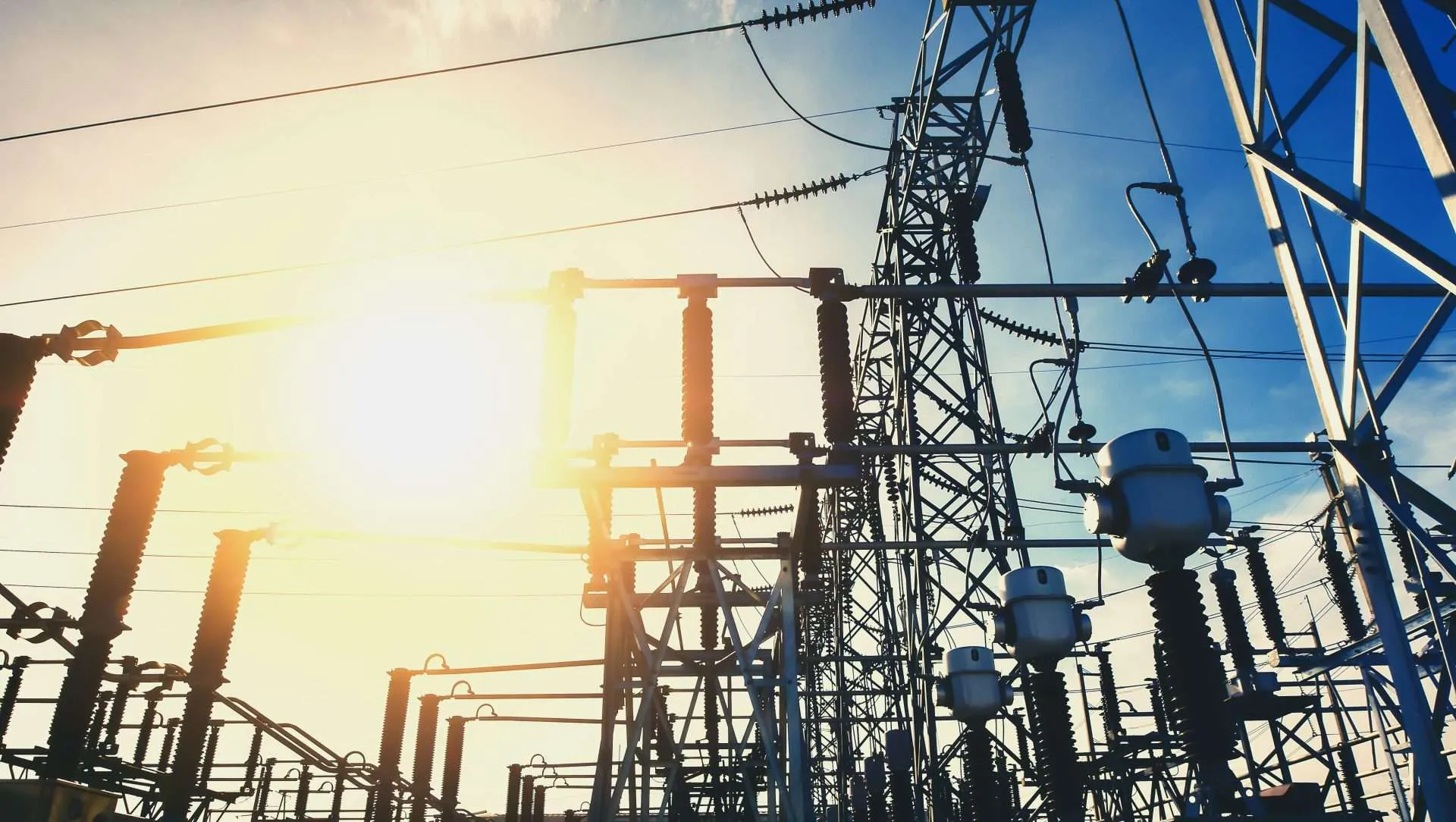
Getting power from a plant to your outlet is a bigger operation than it sounds. It runs through transmission lines, substations, and local distribution networks, all of which require ongoing maintenance and periodic upgrades. Older grids cost more to keep operational.
Storm damage, capacity projects, and grid modernization work pile onto that expense, and utilities recover all of it through the rates regulators allow them to charge.
The delivery portion of your bill isn’t a formality. In some areas, it represents a substantial share of what you pay every month.
Seasonal Demand and Weather
Electricity demand doesn’t hold steady. It spikes hard in summer when cooling systems run full tilt, then again in winter when heating loads take over.
Grid operators sometimes have to bring expensive backup generation online to cover those surges, and that added cost is passed on to consumers.
Drought conditions can tighten things further by cutting into hydroelectric output in regions that rely on it. Extreme weather months hit harder on the bill. That part’s predictable, even if the exact amount isn’t.
Regulatory Environment and Market Structure
State regulation shapes your electricity costs more directly than most people realize. Fully regulated utility models consolidate generation, transmission, and distribution under a single provider, with rates determined by a public commission.
Deregulated states allow retail competition, meaning you can actually pick your energy supplier. Competition alone doesn’t guarantee lower prices, but it creates real pressure for consumers willing to shop around rather than stay on whatever default rate they landed on.
Regulatory decisions around profit margins, rate cases, and infrastructure cost recovery ultimately define what utilities can charge. It’s a slow-moving process, but the outcomes land on your bill.
Local Taxes and Fees
Look past the base rate on your next statement. State and municipal taxes, demand response fees, environmental compliance charges, low-income assistance contributions, and metering costs can all appear beneath the headline kilowatt-hour price.
These charges often go unnoticed, even though they add to your total monthly bill. Depending on where you live, local taxes alone can push your total up by several percentage points. The full rate breakdown tells a more complete story than the per-kWh figure typically advertised.
Supply Chain and Fuel Price Volatility
Global commodity markets have a longer reach into your electricity bill than most people expect. Rising demand for natural gas exports or geopolitical disruptions to supply chains can move fuel prices quickly.
Utilities that purchase fuel on spot markets face greater exposure to volatility than those locked into long-term supply contracts.
The result is a rate that can shift in ways that feel completely disconnected from local conditions—even when the actual cause is an event on the other side of the world. Your bill is partly a product of decisions made thousands of miles away. It’s worth keeping in mind.
What You Can Do With This Knowledge?
Once you understand what actually drives electricity costs, you read an energy plan differently. The per-kilowatt-hour rate is just one number.
Contract terms, fixed versus variable pricing, and what happens at renewal all matter. In deregulated markets, active shoppers consistently outperform those who don’t engage.
Track your usage, revisit your plan before it renews, and watch your bill closely during peak demand months. That’s when the difference between a plan you chose and one you defaulted into becomes most apparent.
