

Phone case listings often highlight the materials used, especially for thinner designs.
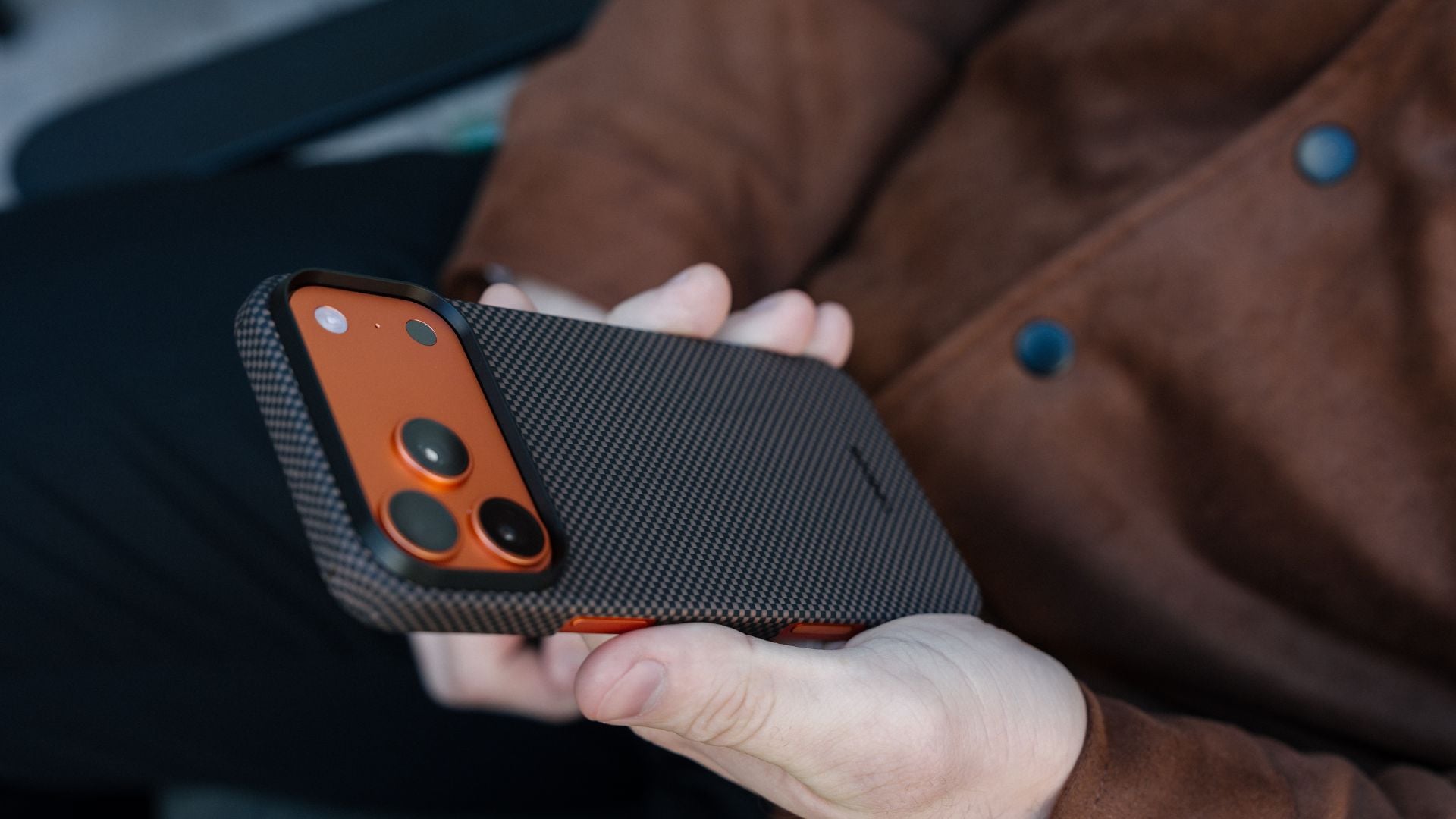
One term that appears frequently is carbon fiber phone case. While it refers to a specific type of material, it’s also commonly used to describe cases with a similar woven texture.
In many of these cases, the material isn’t carbon fiber but aramid fiber, which shares a similar appearance but behaves differently in everyday use.
Understanding how these materials compare can make it easier to choose a case that fits your needs.
What Is a Carbon Fiber Phone Case?
Carbon fiber is made by weaving thin carbon strands together and bonding them with resin. The result is a material that’s extremely strong for its weight and widely used in industries like automotive and aerospace. That signature checkered pattern you often see? That’s the woven structure of the material.
In theory, carbon fiber sounds ideal for phone cases. It’s tough and relatively light, but it also has some trade-offs. For one, it’s very rigid, which can make it less forgiving under impact when thin.
More importantly, carbon fiber can interfere with wireless signals, which isn’t ideal for modern phones that rely on antennas, wireless charging, and magnetic accessories. Because of that, many cases that look like carbon fiber use a different material altogether.
What Is Aramid Fiber?
Aramid fiber is a synthetic material designed for strength and heat resistance. It’s used in protective gear and industrial applications where durability matters.
For phone cases, aramid fiber brings a few practical advantages:
- Lightweight but strong
- Slightly flexible instead of fully rigid
- Resistant to wear over time
- Compatible with wireless signals and charging
Aramid fiber can also be woven to mimic the same textured pattern as carbon fiber. That’s why many ultra-thin cases look identical at first glance, even though they’re made from different materials.
Carbon Fiber vs Aramid Fiber: Key Differences
Although they look similar, these materials behave differently in thin designs. The technical comparison between aramid and carbon fiber shows how their structure affects flexibility, weight, and overall performance.
Carbon Fiber
- Very rigid and structurally strong
- Can be brittle when used in very thin layers
- May affect wireless signal performance
Aramid Fiber
- Strong with a bit of flexibility
- Lightweight and easier to use in slim designs
- Works with wireless charging and magnetic accessories
Note that for something like a phone case, flexibility and signal compatibility often matter more than raw stiffness.
Why Many Modern Cases Use Aramid Fiber?
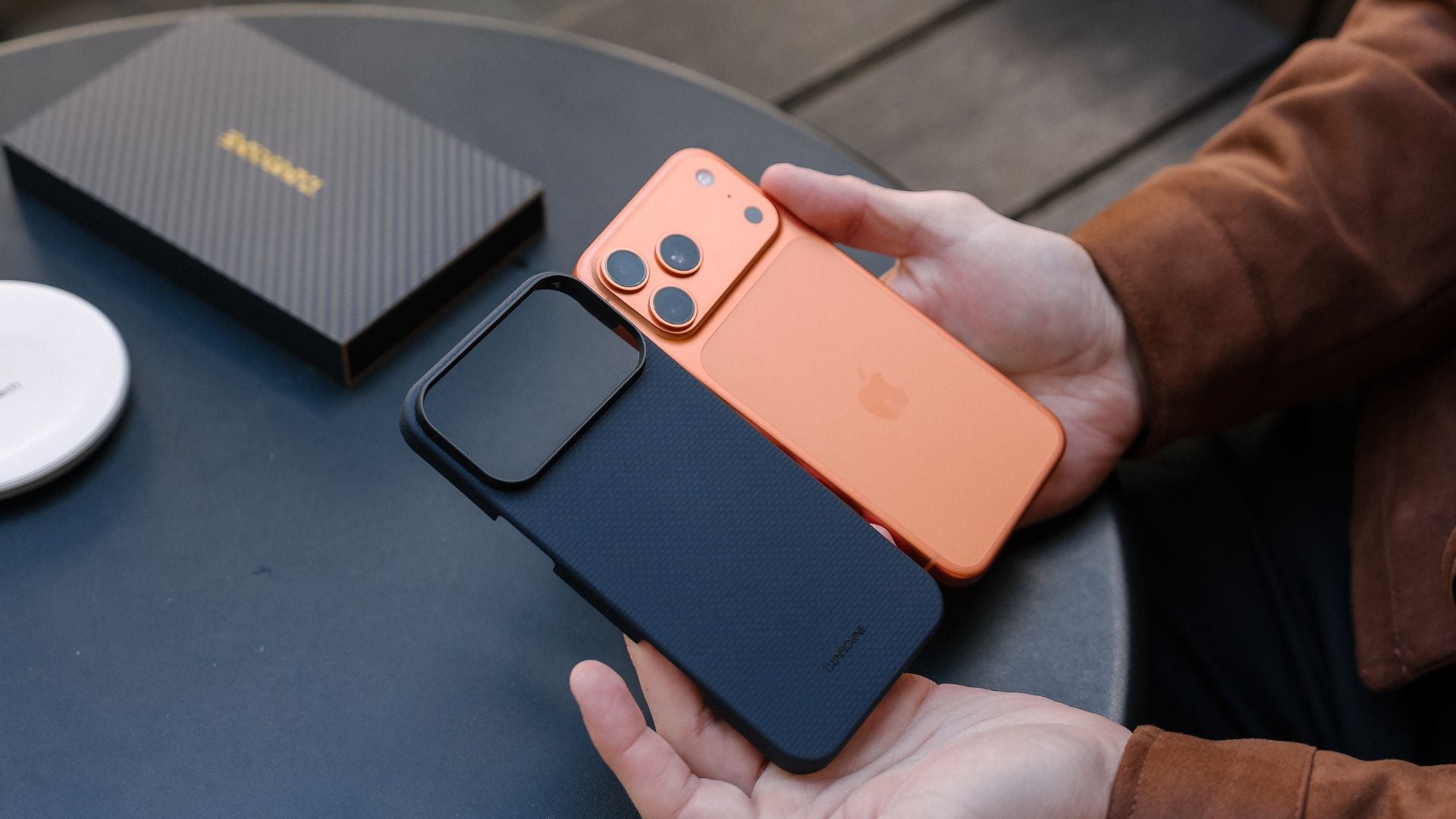
Smartphones today rely on more than just physical durability. Wireless charging, mobile data, GPS, and magnetic accessories all depend on clear signal transmission.
As part of a broader ecosystem of mobile accessories (including chargers, mounts, and cases), materials need to work with these features.
That’s where aramid fiber has an advantage. It provides strength without interfering with those functions, thereby making it a practical choice for modern phone cases.
For these reasons, many slim cases with a carbon-fiber look are actually made with aramid fiber. The goal isn’t just to match a visual style, but to create a case that fits how phones are used every day.
How and Which to Choose?
If you’re deciding between the two, it helps to think about how you use your phone.
Go for carbon fiber if:
- You prioritize rigidity and structure
- You’re less concerned about wireless features
- You prefer the idea of traditional composite materials
Go for aramid fiber if:
- You want a thinner, lighter case
- You use wireless charging and magnetic accessories
- You care about maintaining signal performance
Conclusion
Carbon fiber and aramid fiber come from similar engineering backgrounds, but they’re used differently when it comes to phone cases.
Carbon fiber is known for its stiffness and strength in larger structures. Aramid fiber offers a better balance for smaller, everyday items like phone cases, where flexibility, weight, and compatibility matter a lot.
Once you understand their differences, choosing the right case becomes much simpler.
