

We spend a massive amount of our professional lives discussing the digital landscape. We talk about cloud computing, seamless user interfaces, and the latest software that promises to shave minutes off our daily tasks. But as we move deeper into this high-tech era, we’re starting to notice a strange paradox.
The more digital our work becomes, the more our physical environment seems to matter. Honestly, I think we’ve spent so long staring at screens that we’ve forgotten the impact of the four walls around us.
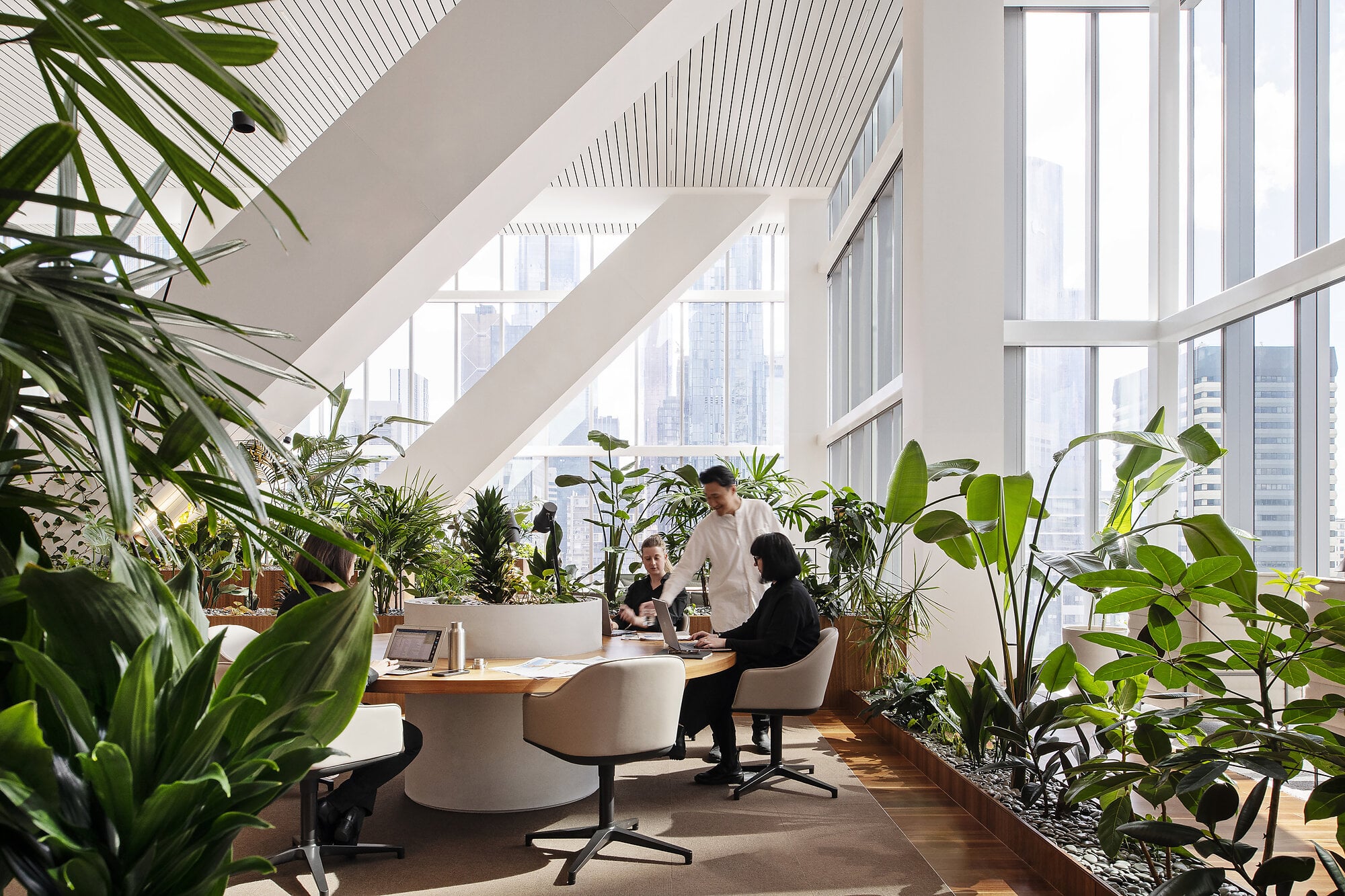
For the readers of DigitalEdge, who are often at the forefront of the remote and hybrid transition, the office is no longer just a room with desks. It’s a tool, a platform, and a physical extension of the company’s mission.
The reality of the modern workday is that our focus is under constant siege. Notifications, pings, and the general noise of a shared environment can shatter a flow state in seconds. This is why the physical layout of a workspace is becoming a primary concern for leadership.
It isn’t just about aesthetics anymore. It’s about cognitive load. When a space is poorly designed, it forces the brain to work harder to filter out distractions.
This leads to burnout. It leads to decreased output.
And it leads to a general sense of fatigue that no software update can fix. Have we considered that the lag in our productivity might not be due to our internet connection, but to the room we’re sitting in? I guess it’s easier to buy a coffee machine than to rethink a floor plan, but the latter matters more.
Beyond the Open Office Trend
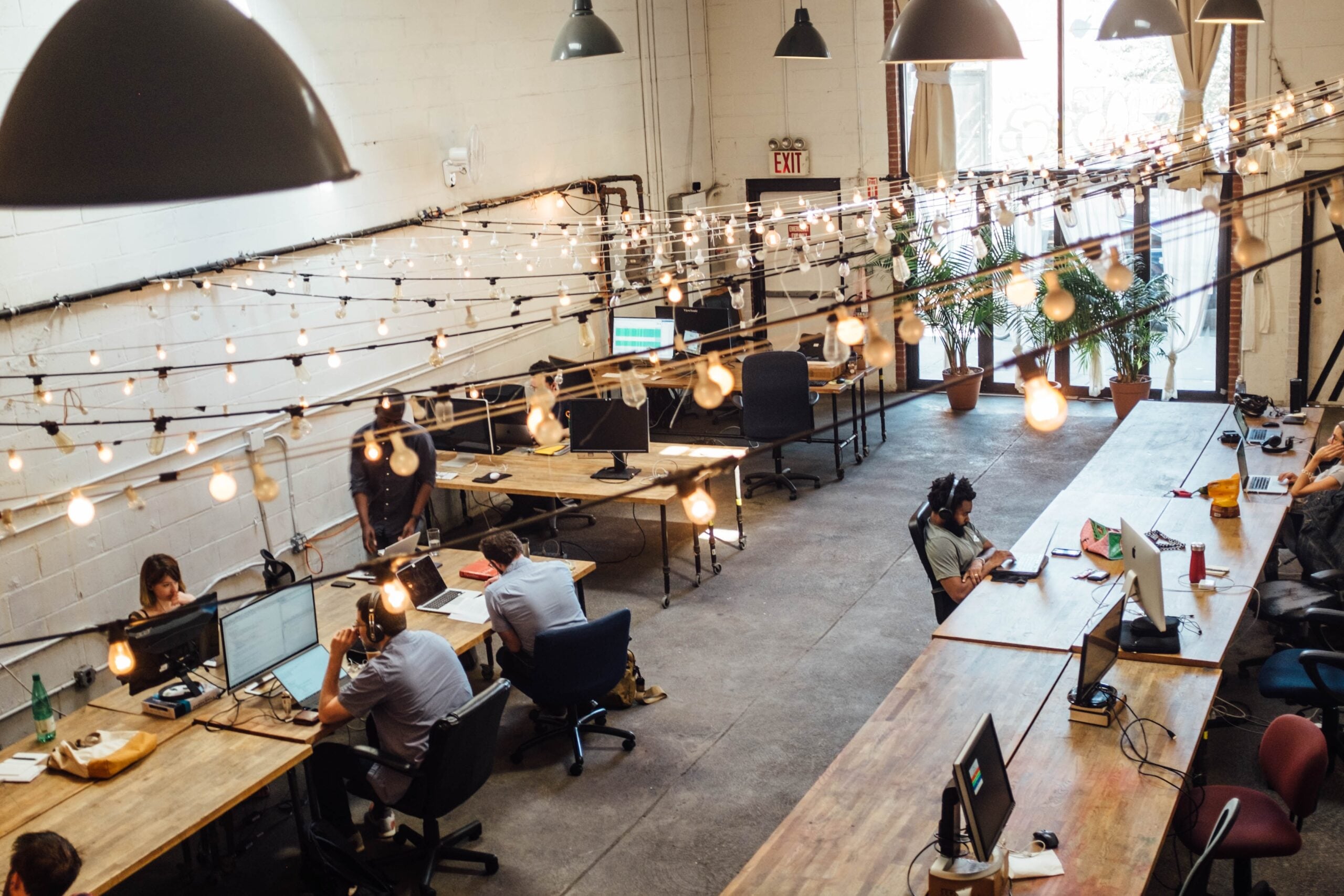
For a long time, the open office was the gold standard for innovation. The idea was simple: remove walls, and you remove barriers to communication. In practice, however, it often created a different set of problems. Without physical boundaries, employees felt exposed and constantly interrupted.
You know that feeling when you’re trying to focus but can hear every word of a colleague’s lunch plans? That’s the hum of a workspace that hasn’t been optimized for humans.
We’re now seeing a shift toward activity-based working. This model acknowledges that a single desk isn’t the right environment for every task. Sometimes we need a collaborative hub for brainstorming, and sometimes we need a quiet sanctuary for deep work.
But how do we build that sanctuary without starting from scratch? Maybe more than we’d like to admit, we hope people can ignore the noise.
Creating these distinct zones requires more than just rearranging furniture. It requires a structural approach to privacy. High-quality partitions and acoustic barriers are essential in this new layout.
When companies look to define these spaces effectively, integrating One Point Partition solutions delivers a professional finish that balances focus and flow.
The Sensory Experience of Work
We often underestimate how much our physical senses impact our digital performance. Lighting, temperature, and even the texture of the materials around us play a role in our mood.
I’ve sat in those offices where the fluorescent lights hum like a dying insect, and it’s hard to feel inspired when the carpet is peeling.
There’s a reason why high-end tech firms invest so heavily in their physical campuses. They understand that a person who feels comfortable and respected by their surroundings will produce better work.
This concept of human-centric design is about removing the friction of the physical world. If you’ve to fight your environment to get your work done, you’re losing energy that should be spent on innovation.
And that’s the point. That’s energy you can’t get back.
This includes the most basic aspects of the office, from the ergonomics of the seating to the privacy of the communal areas.
Neglecting these elements sends the message that the employee is a secondary concern. When they’re prioritized, it fosters a sense of belonging and professional dignity.
The Infrastructure of Trust
In a hybrid world, the time we spend in a physical office is more intentional than ever. People aren’t coming in to sit at a laptop; they’re coming in to connect.
However, connection requires a baseline of comfort. If the office feels clinical, cold, or disorganized, those connections won’t happen naturally.
Designing for the modern worker means thinking about the in-between spaces. It’s about the quiet corners where a spontaneous 1-on-1 can happen without the need to book a formal boardroom.
Does your office have a space where a conversation can actually feel private?
These details matter because they form the infrastructure of trust. They show that the organization cares about its people’s lived experience, not just their digital output. Honestly, we need to look at the hardware of our work lives with the same scrutiny we apply to our software.
Scaling the Physical Environment
As businesses grow, their physical needs change just as rapidly as their digital ones. A layout that worked for ten people will rarely work for fifty.
The challenge is to scale the environment without losing the sense of community or the ability to focus. This is where modularity becomes a superpower.
So, how do we stay agile?
Being able to adapt a space quickly, by adding or moving partitions, allows a company to stay nimble. The goal is to create a workspace that feels like a cohesive ecosystem.
Every element, from the cabling under the floor to the height of the room dividers, should serve the person using the space.
When we treat the office as a product that needs constant refinement, we start to see the true ROI of a better workplace.
We see higher retention, better collaboration, and a team that feels empowered to do their best work. It’s not magic; it’s just common sense.
