

Severe heat can be very demanding on our day-to-day lives and our overall comfort. Preparing living spaces beforehand helps maintain a comfortable, controlled indoor temperature. By preparing for heat waves before they arrive, you can keep everyone at home safe and happy.
1. Insulate Windows and Doors
Knowing how to prepare your home for a heatwave is essential. Good insulation helps keep heat out during hot weather.
Sealing gaps around windows and doors prevents warm air from entering. Weatherstripping and caulking can be easy, effective methods for closing gaps and improving energy efficiency.
During peak sun hours, heat gain inside the house is further reduced with some closed curtains or blinds. Reflective window films provide an added level of protection by deflecting sunlight away from the glass. Another solution for keeping your indoor spaces cooler is to use heavy and light-colored curtains.
2. Utilize Fans Efficiently
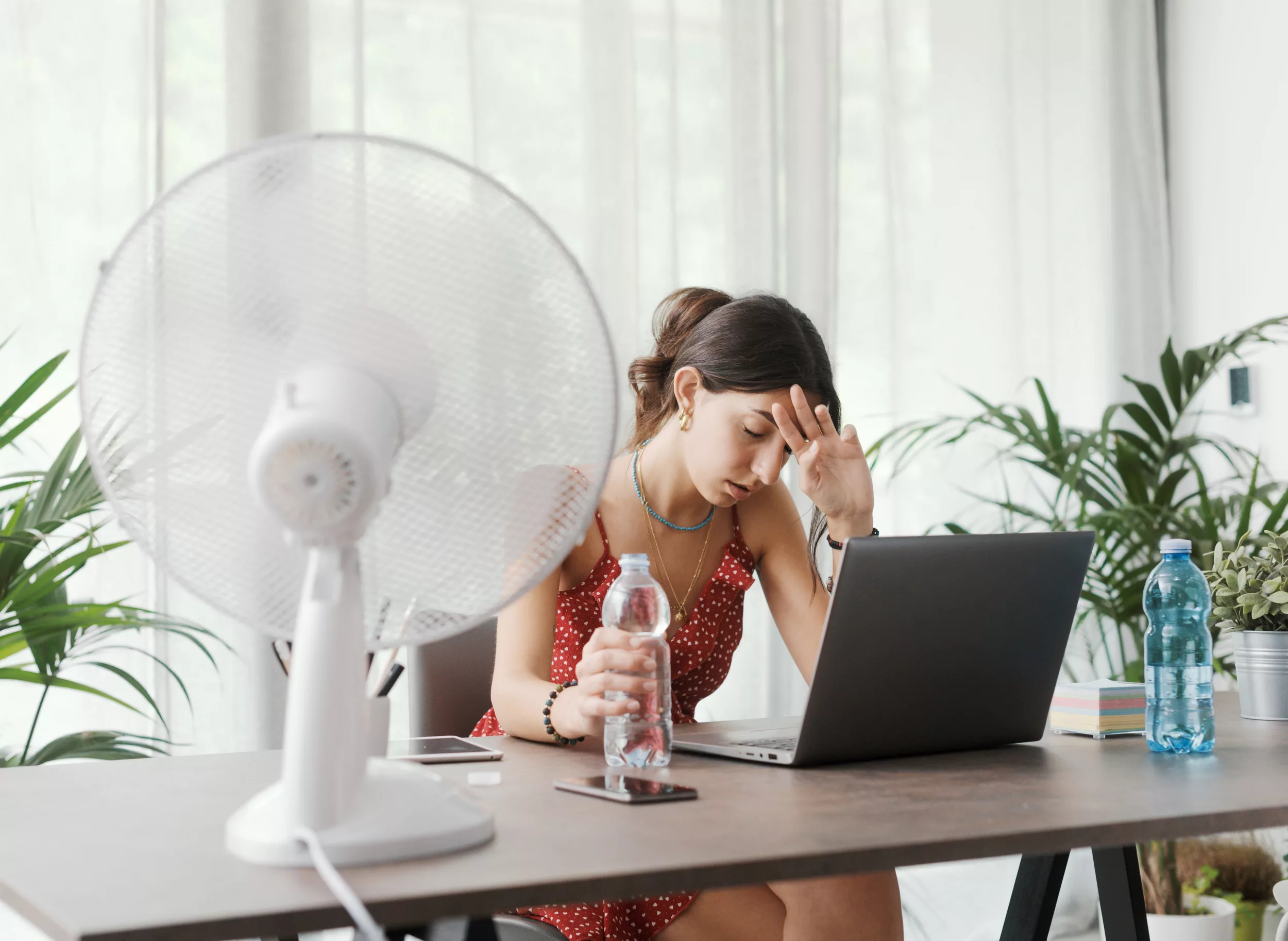
Fans circulate air, and this creates a breeze that cools both people and rooms very quickly. During warm months, ceiling fans should have blades that rotate counterclockwise, forcing cool air down. Portable fans can be placed throughout living areas and bedrooms to facilitate air movement.
Setting a container filled with ice in front of the fan produces a temporary cooling effect that can be quite useful during especially hot afternoons. Turn off fans when leaving a room to conserve energy.
3. Maintain Air Conditioners
When an air conditioning unit is regularly checked and serviced, it runs more smoothly and more efficiently. Whether you decide to clean or replace filters, doing so each month ensures airflow remains consistent and reduces the load on the HVAC system.
When dirt and debris clog the coils or clog the vents, air conditioners use more power to cool the property, wasting both energy and money.
Setting the thermostat at a comfortable level is essential, but not too low, so that the unit doesn’t have to work really hard to keep up.
One option is to close the doors and windows when the air conditioning is on so the cooling maintains itself in your house in its best form.
4. Reduce Indoor Heat Sources
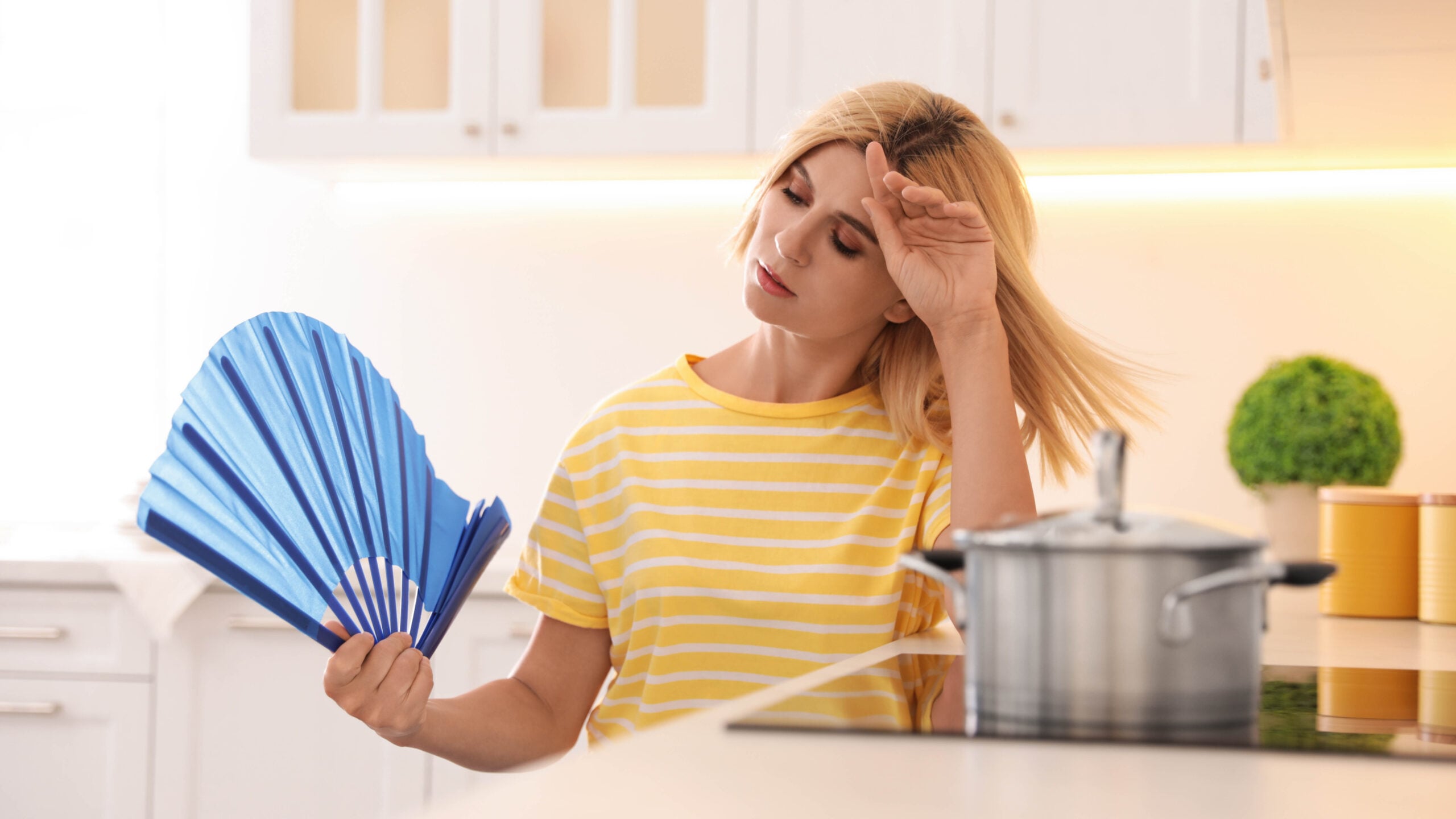
Devices such as ovens, stoves, and incandescent bulbs produce more heat inside. Using energy-saving bulbs and cooking indoors in a microwave helps reduce excessive heat inside. It is also advisable to unplug devices not in use to prevent heat buildup.
Try moving laundry, dishwashers, or other household tasks to early morning or the evening hours, when outdoor temperatures are cooler. Each of these little tweaks adds up to lower heat and an overall more comfortable ride.
5. Improve Ventilation
Cross-ventilation helps remove hot and stale air and replace it with fresh, cooler air. You can create a nice cross-breeze by opening a couple of windows on opposite sides of the house in the early morning or late evening.
In addition, ventilators installed in attics or exhaust fans in kitchens and bathrooms help in adequate air movement.
6. Add Shade Outdoors
Well-placed shade throughout the house can lead to large reductions in heat gain. Planting trees, awnings, pergolas, or shade sails helps block the harsh sun shining on windows and walls.
Not only do they provide shade from the sun directly, but they also help keep the connected indoor areas cooler, such as a patio or balcony, when you add outdoor curtains or blinds.
Exterior surfaces reflect more incoming sunlight and absorb less heat. Darker walls or fences can be more noticeable than people realize, and so painting them in pale hues can help during the hottest times of the year.
7. Stay Hydrated and Dress Appropriately
Comfort is subjective and really depends on you having fluids and wearing proper attire. Through drinking water regularly, the body adapts to excessive temperatures.
The ideal types of fabrics to wear are lightweight, breathable fabrics like cotton or linen, which allow air to circulate between the skin and the clothing.
8. Prepare for Power Outages
Power failures are sometimes common during heatwaves due to excessive electricity demand. Keeping ready-to-use flashlights, batteries, and a battery-powered fan ensures that you have some measure of comfort during surprise outages. Having bottled water and dry food helps avoid cooking and opening the refrigerator.
To Sum Up
Being prepared for the days of extreme heat should be a habit that will ensure your home is safe and comfortable.
Small alterations to the living conditions, like home insulation or accustomed routines, protect health and well-being. With these eight pieces of advice, anyone could deal with a heatwave more confidently and comfortably.
