

A slot night snack board should feel easy from the first bite. People want something they can grab quickly, eat neatly, and enjoy without losing the flow of the night.
That is why a board works better than a full meal for this kind of setting. It keeps everyone comfortable, gives guests more choice, and makes the whole evening feel more relaxed.
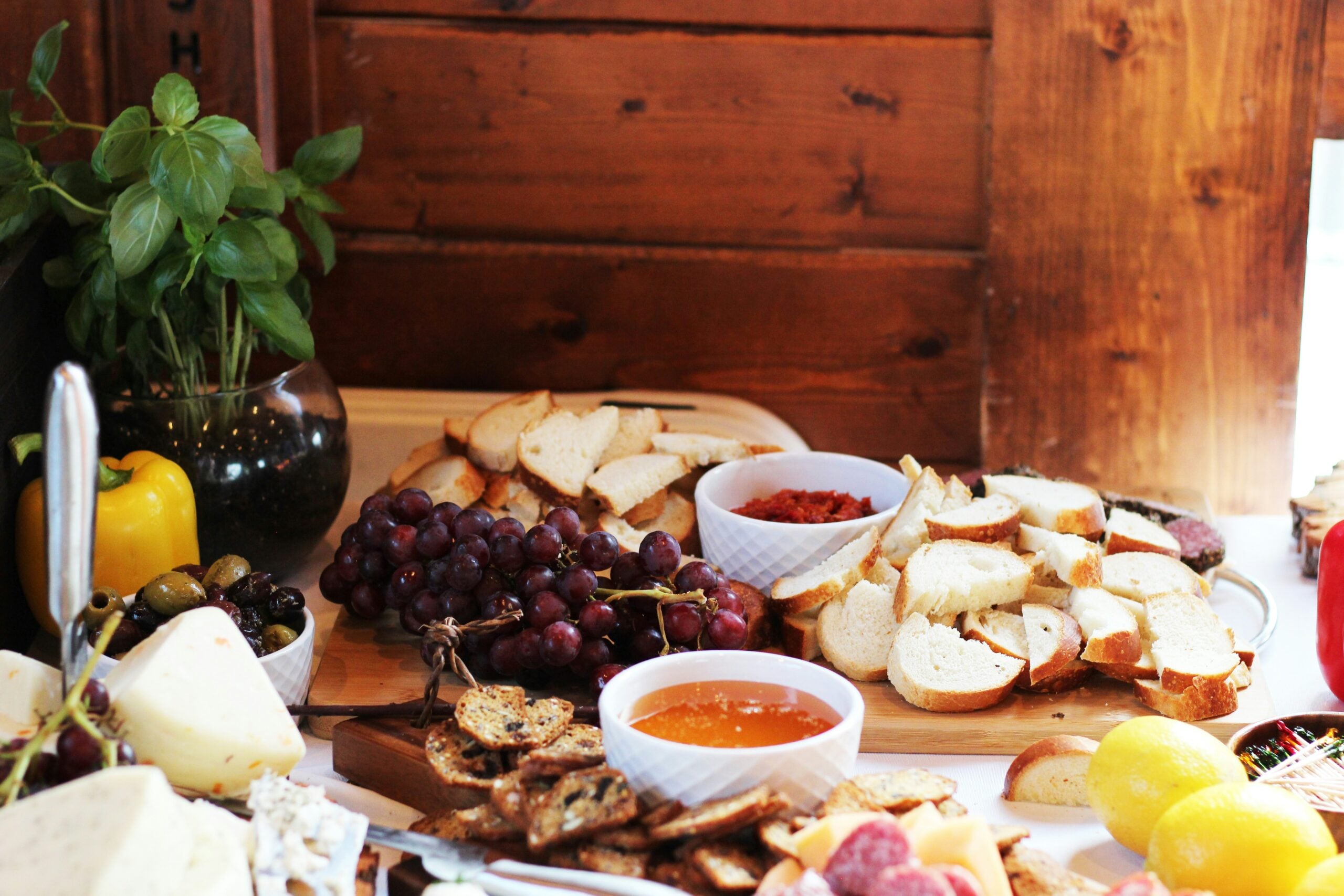
The best version also has a little personality. You get contrast, color, and better balance without making the prep harder than it needs to be.
Game night food has to work harder than party food. It cannot be too messy, too heavy, or too complicated to eat. Large sandwiches, saucy wings, and crumbly pastries might sound fun at first, but they slow people down and create more cleanup than anyone wants.
A good slot night board solves that problem. Small bites keep the mood casual, and variety helps the food hold up over a longer stretch of time. People can snack a little, come back later, and try something new each round.
Start with Foods That Are Easy to Grab
The best board foods are simple to pick up and easy to eat in one or two bites. That keeps hands cleaner and makes the board feel less fussy.
A reliable board usually includes a mix like this:
- One or two dips or spreads
- One or two meats or savory proteins
- One or two cheeses
- One crisp element, like crackers or pita chips
- One fresh element, like fruit or vegetables
- One small sweet finish, like dates or dark chocolate.
Choose Two or Three Global Flavor Directions
The smartest way to make a world-inspired selection of snacks is to keep the idea focused. You do not need ten countries on one platter. In fact, too many directions can make the whole thing feel random. Two or three flavor lanes are usually enough.
Mediterranean flavors are a strong starting point because they are bright, familiar, and easy to serve. Hummus, whipped feta, olives, cucumber, pita chips, marinated artichokes, and stuffed grape leaves all fit naturally together.
Spanish-inspired items also work well because they bring bold flavor in small bites. Chorizo, Manchego, roasted peppers, almonds, and fig spread create a rich section that still feels snack-friendly.
Focus on balancing taste and texture. Mediterranean mezze and Spanish-style combinations are great natural board formats in terms of balance.
You can also add a lighter corner with Japanese-style snacks. Rice crackers, edamame, sesame cucumbers, and pickled ginger bring freshness that cuts through richer foods. That kind of contrast is what keeps the board interesting for more than twenty minutes.
Build Flavor and Texture at The Same Time
A great snack board does not depend on one star item. It works because every part helps the next bite feel different. That usually means balancing salt with freshness, creaminess with crunch, and rich bites with something sharp or bright.
A simple way to think about it is this:
- Salty from meats, olives, or seasoned nuts
- Creamy from hummus, cheese, or whipped feta
- Fresh from a cucumber, grapes, or cherry tomatoes
- Chewy from dried apricots, dates, or figs
- Crisp from crackers, toasted bread, or pita chips
- Punchy from pickled onions, peppers, or cornichons.
Arrange the Board So Guests Actually Use It
Start with bowls for dips, olives, or anything that can roll or drip. After that, place the larger items first, like cheese wedges, folded meats, and stacks of crackers. Fill open spaces with produce, nuts, and smaller bites.
Try to spread the textures around instead of grouping every crunchy item in one corner. Put one fresh item near the richer foods.
Place something sweet near salty meats or aged cheese. That layout helps people build better bites without thinking about it.
Good snack board advice also recommends using bowls for loose items and placing the main elements first before filling gaps with smaller pieces.
By the middle of the evening, whether you play blackjack with your friends at home or play on The Online Casino platform, for example, the food should still feel simple to grab and enjoyable to eat. Nobody wants sticky fingers when they play online, giant crumbs, or slippery toppings.
Keep It Fresh Without Overcomplicating
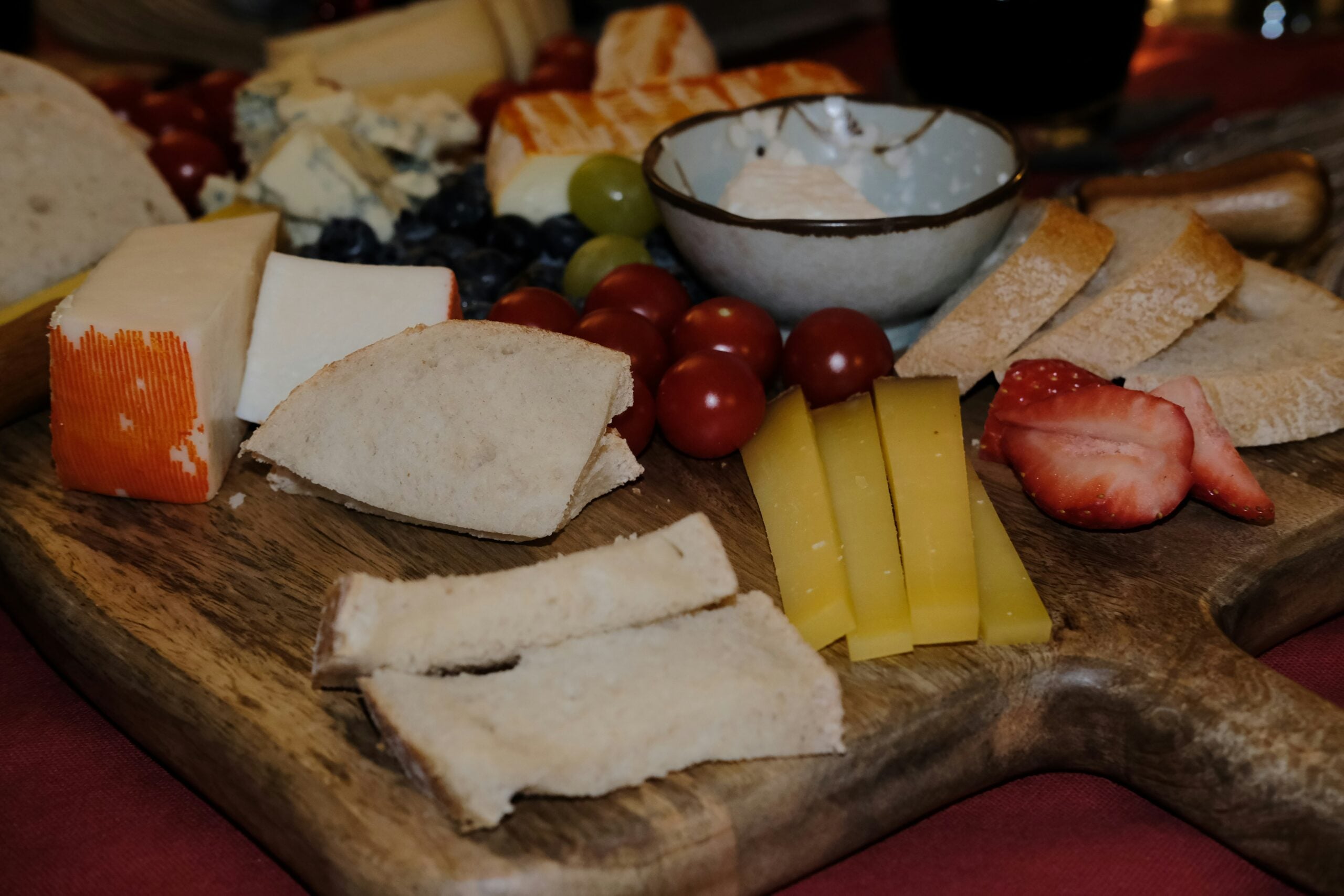
One of the easiest hosting mistakes is putting everything out at once. A snack board usually looks better and tastes better when you hold a few items back and refill as needed.
That is especially helpful for crackers, cut fruit, and creamy dips, which can lose their best texture if they sit too long.
You also do not need every item to be homemade. In fact, boards are often better when only one or two pieces are made from scratch.
A homemade dip, a quick marinated olive mix, or a simple whipped feta gives the board some personality. Store-bought crackers, cured meats, nuts, and pickled vegetables can do the rest of the work.
That approach fits the best version of home entertaining. The host stays relaxed, the board stays tidy, and guests get a spread that feels thoughtful instead of overworked.
A Simple Board You Can Copy
If you want a version that works right away, build one around Mediterranean and Spanish flavors with a light, fresh edge.
Start with hummus and whipped feta in two small bowls. Add sliced chorizo and salami for the savory base. Place pita chips and seeded crackers nearby.
Tuck in cucumber rounds, cherry tomatoes, roasted peppers, olives, and marinated artichokes. Finish with Manchego cubes, toasted almonds, dried apricots, and a few pieces of dark chocolate.
This setup works because every category has a job. The dips cool down the salty meats. The vegetables lighten the richer bites. The nuts and crackers give the board structure. The fruit and chocolate round things out without turning the board into dessert.
A slot night board does not need to be oversized to feel special. It just needs good balance, clean bites, and enough flavor contrast to keep people interested. When you build it with that in mind, the board becomes part of the night instead of a side detail people forget.
