

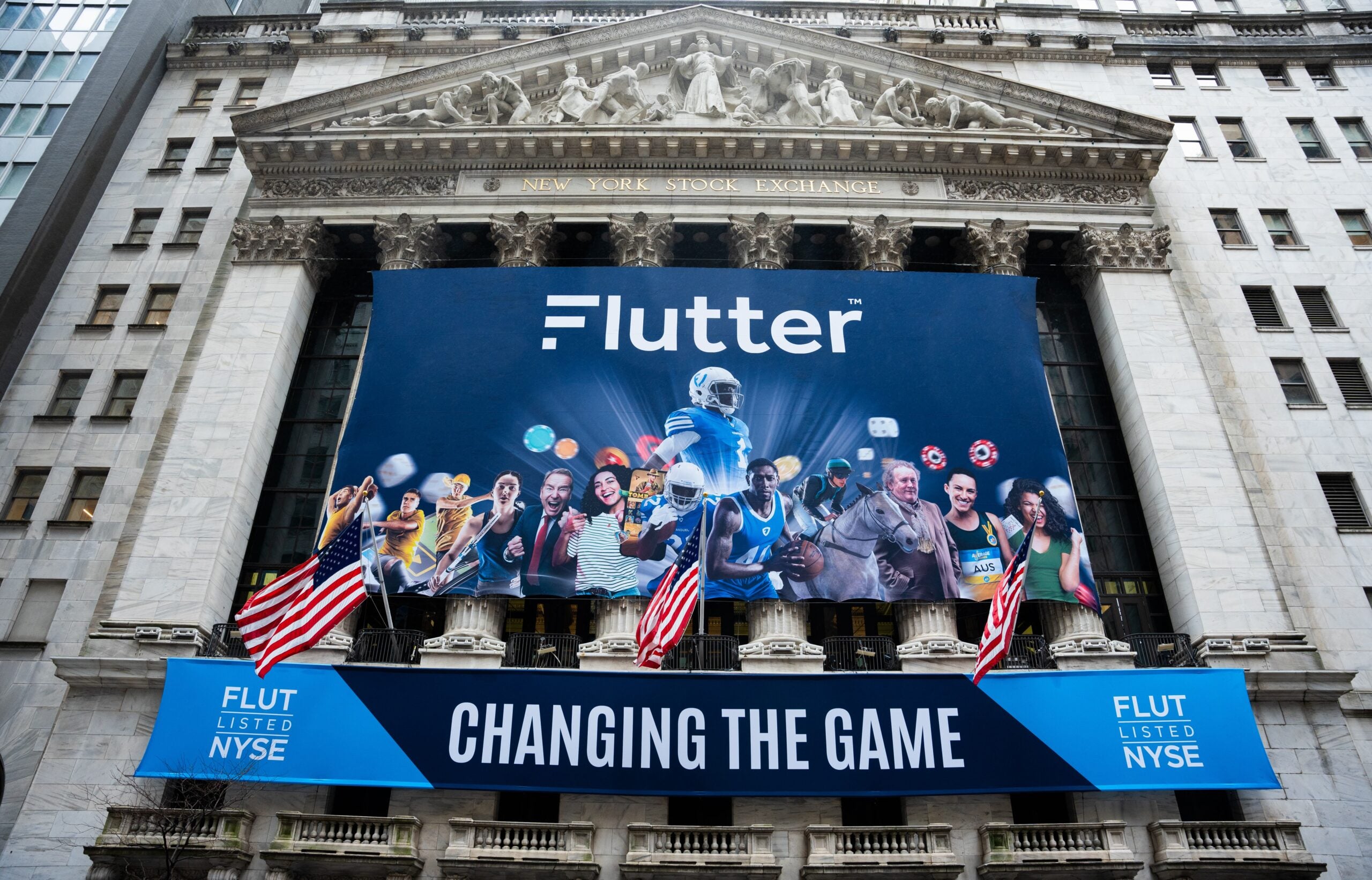
Flutter Entertainment’s latest results landed with a number that deserved more attention than it got.
FanDuel reached 4.8 million average monthly players in Q4, holding the largest sportsbook user base in the US even as the market matured and new competition arrived from prediction platforms. The story behind that number is not about marketing spend or brand visibility. It is about product architecture.
For years, digital platforms across every sector competed on the size of their acquisition incentive. The bigger the signup hook, the faster the user growth.
That logic has been quietly dismantled in the sportsbook space, and the shift is worth paying attention to if you build or study digital products professionally.
The move away from one-time headline offers toward layered, session-based engagement is not unique to gambling.
But sportsbooks have been running this experiment at scale, in a regulated environment, with real financial stakes attached. The data they are sitting on about user behaviour is significant.
The Headline Offer Was Always a Blunt Instrument
The first generation of sportsbook promotions was simple engineering. Put a large number in the acquisition funnel, repeat it everywhere, convert users at the top of the funnel, and worry about retention later. The FanDuel bonus offer currently running looks different from that model on the surface.
The structure provides up to $300 back in bonus bets every day for the first ten days after signup, rather than a single large one-off refund. At first glance it reads as less generous. In practice, it is significantly more sophisticated.
The distinction matters because the old model concentrated all its value in one moment. A user places one bet, the promotion fires, and the platform has burned its acquisition cost with no guarantee the person ever returns.
The daily reset structure changes the economics entirely. The user has a reason to come back nine more times in the first ten days, and each return is a session where habits can form.
Retention Is Where the Product Work Happens
What Flutter’s results showed is that this kind of design does not just improve engagement metrics in isolation. It correlates with the platform holding market share in a maturing market where user acquisition is more expensive and switching costs are lower than they used to be.
FanDuel Casino grew revenue 33% year over year in the same period, with average monthly players up 18%. Those are retention numbers, not acquisition numbers.
The product philosophy behind that is something tech teams outside the betting space are starting to study seriously.
Daily activation triggers, progressive value delivery, and incentive structures that require return sessions rather than a single high-stakes moment are patterns that apply cleanly to subscription software, consumer apps, and fintech products.
The sportsbook space has been forced to get good at this faster than most, partly because regulatory environments in each US state require constant product adaptation.
What the Research on Retention Says?
The academic and consulting work on user retention has been consistent for years. Bain and Company’s research on customer economics demonstrated that a 5% improvement in customer retention can increase profitability by 25% or more, depending on the product category.
That finding predates the current wave of retention-first product design, but it explains why so many product teams are now structured around engagement metrics rather than signup numbers. The sportsbook industry did not invent this thinking, but it has operationalized it in ways that are worth studying.
What makes the sportsbook case interesting is the transparency of the feedback loop. A betting platform knows within days whether a promotional structure is pulling users back or losing them after the first session.
The daily reset model gives product teams ten data points per user in the first two weeks, rather than one. That density of behavioral signal is the kind of thing consumer app teams spend months trying to manufacture through onboarding sequences and push notification strategies.
The Part Most Product Analysts Are Missing
The surface-level read on a promotion like FanDuel’s current offer is that it is smaller than what came before. The deeper read is that it is a different product entirely.
The offer is not a discount on the first transaction. It is a structured engagement mechanism with a defined duration, a daily opt-in requirement, and a loss-aversion trigger built into every session.
Loss aversion is not a new concept in product design. But the execution here is cleaner than most consumer apps manage.
The user knows exactly what they stand to lose by not returning tomorrow. The stakes are concrete, the timeline is visible, and the next action is obvious. That combination is harder to build than it looks, and the sportsbook space has been iterating on it for several years now.
This Is Not Just a Gambling Story
Digital product design moves through influence cycles. Mobile gaming figured out session design before desktop software did.
Streaming platforms cracked recommendation architecture before social media caught up. Right now, sportsbooks are ahead on retention-first promotional engineering, and the lessons are transferable.
For anyone building consumer-facing digital products in 2026, the mechanics are worth understanding at a functional level.
The companies paying attention to this are not doing so because they want to build gambling products. They are doing so because the sportsbook space has been forced to solve hard engagement problems under real competitive pressure, with real money on the line. That is usually where the most transferable product thinking comes from.
