

A lot of businesses are quietly running into the same problem: the way employee benefits were structured ten or fifteen years ago simply doesn’t match what today’s workforce expects. Salaries still matter, of course, but they’re no longer the only thing people weigh when deciding where to work—or whether to stay.
Health coverage has slowly moved into that category of “make or break” factors. Not in a dramatic way, but more like a background expectation that keeps rising year after year.
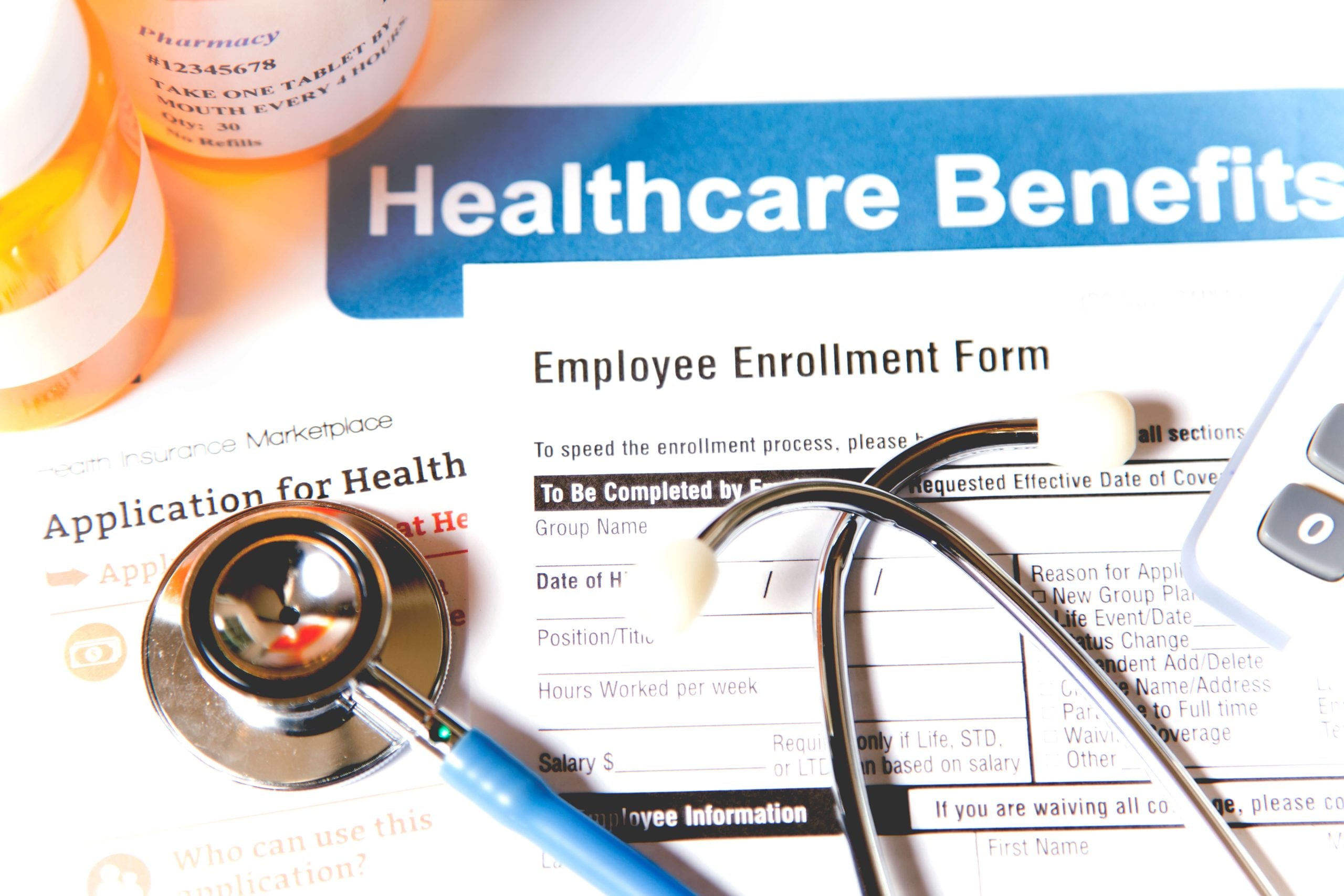
When Benefits Start Influencing Hiring More Than Job Titles?
If you talk to HR teams lately, you’ll notice a pattern. Candidates ask about flexibility first, but health coverage is never far behind. It comes up early in conversations, especially in roles where competition for talent is tight.
What’s changed is that employees don’t just want to know if coverage exists—they want to understand how stable it is, how predictable it feels, and whether it actually holds up when life gets complicated.
And that’s where employers start feeling pressure from both sides: cost and expectation.
The Quiet Pressure of Rising Healthcare Costs
Healthcare costs don’t usually spike in a single dramatic moment. It’s more gradual than that. A renewal here, a premium adjustment there, and suddenly the numbers don’t look like they used to.
For many companies, especially smaller ones, this creates a kind of constant background tension in planning. Budgets become harder to stabilize, and long-term forecasting starts to feel less certain than it should.
At the same time, employees still expect consistent coverage. That gap is where most of the strain builds up.
Why Employers Are Moving Toward More Structured Coverage Models?
At some point, many organizations reach the same conclusion: individual, fragmented approaches to health benefits are too complex to manage long-term.
So they shift toward more unified systems that simplify how everything is handled. In many cases, a group health insurance plan becomes the practical solution because it brings structure into something that can otherwise become fragmented and unpredictable.
It’s not just about cost efficiency. It also changes how employees experience their benefits—less confusion, fewer variations, and a clearer understanding of what’s actually available to them.
Retention Isn’t Just About Salary Anymore
One thing that’s become obvious across industries is that people rarely leave for a single reason. It’s usually a mix of small frustrations that build over time.
Benefits play into that more than most companies initially assume. When employees feel like their healthcare situation is stable, it removes a layer of uncertainty from their lives. And that stability tends to matter more than it gets credit for.
It doesn’t always show up in surveys or exit interviews, but it shows up in retention patterns over time.

The Shift Toward Long-Term Thinking in Benefits Strategy
What’s interesting is that benefits planning is starting to look less like annual administration and more like long-term infrastructure planning.
Companies are no longer just asking “what can we offer this year,” but “what can we sustain without creating instability down the line.”
That mindset shift is subtle, but it changes how decisions are made—from reactive adjustments to more structured planning frameworks that prioritize consistency.
Where This All Seems to Be Heading?
If current trends continue, employee benefits will keep moving toward more integrated systems that are easier to manage and easier for employees to understand.
The pressure points won’t disappear—costs, expectations, competition—but the way companies respond to them is becoming more structured and less ad hoc.
In that sense, health coverage is slowly turning into something closer to operational infrastructure than a traditional HR perk.
Conclusion
Employee benefits are no longer sitting on the sidelines of business strategy. They’re part of how companies stay competitive, stable, and attractive to talent.
The organizations that manage to build clarity and consistency into their health coverage approach tend to avoid a lot of the friction that others only notice once problems start showing up.
And that shift, more than anything else, is what’s reshaping how benefits are being designed today.
