

Cybersecurity has become a priority for every modern organization, but utility providers face a very different risk environment than most traditional businesses.
A cyberattack on a corporate network can disrupt operations, expose sensitive data, and create financial or reputational damage.
A cyberattack on a utility system can affect public health, essential services, physical infrastructure, and community safety.
That is why utility cybersecurity cannot be treated as a standard IT security problem.
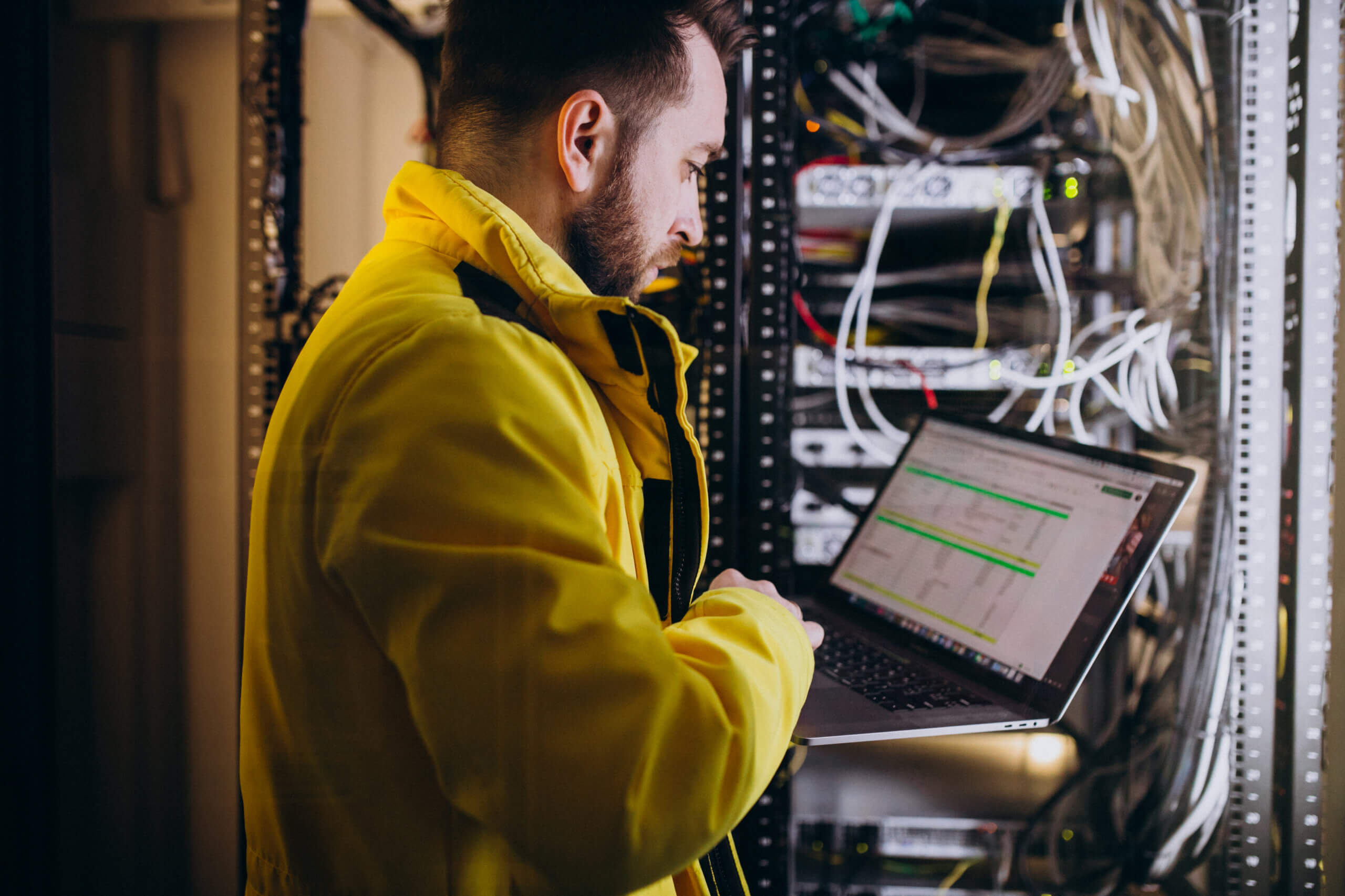
Water utilities, energy providers, wastewater systems, and other critical infrastructure operators rely on complex environments that combine information technology, operational technology, connected devices, remote monitoring systems, industrial controls, and field equipment.
These systems are not only responsible for storing and moving data. They help manage the delivery of essential services that people depend on every day.
As utilities become more connected and digital, they need cybersecurity strategies built around the realities of critical infrastructure, not just the assumptions of traditional enterprise IT.
Traditional IT Security Focuses on Data, Devices, and Networks
Traditional IT security is usually centered on protecting business systems. This includes email platforms, employee devices, cloud applications, customer databases, financial records, user accounts, and corporate networks.
The main goals are to protect confidentiality, prevent unauthorized access, reduce downtime, secure sensitive data, and maintain business continuity.
Common tools include firewalls, endpoint protection, identity management, email security, vulnerability scanning, cloud security controls, and employee awareness training.
These practices are essential, and utilities need them too. However, they are not enough on their own.
Utility environments include systems that operate pumps, valves, treatment processes, sensors, meters, control systems, and other physical assets.
These environments have different priorities, different risks, and different consequences when something goes wrong.
Utilities Must Protect Both IT and OT Environments
One of the biggest differences between utility cybersecurity and traditional IT security is the presence of operational technology, often called OT.
OT includes the hardware and software used to monitor and control physical processes. In a water utility, this may include treatment systems, pumping stations, SCADA systems, control panels, field sensors, and remote monitoring equipment. These systems are deeply connected to real-world operations.
In a traditional IT environment, the priority is often data protection. In an OT environment, the priority is safe, reliable, and continuous operation.
This changes the cybersecurity approach. A patch that is easy to deploy on an office laptop may not be simple to apply to an industrial control system. A system reboot that is normal in IT may be unacceptable if it disrupts essential service delivery.
A security control that slows down a business application may be inconvenient, but a control that interferes with a treatment process can create operational risk.
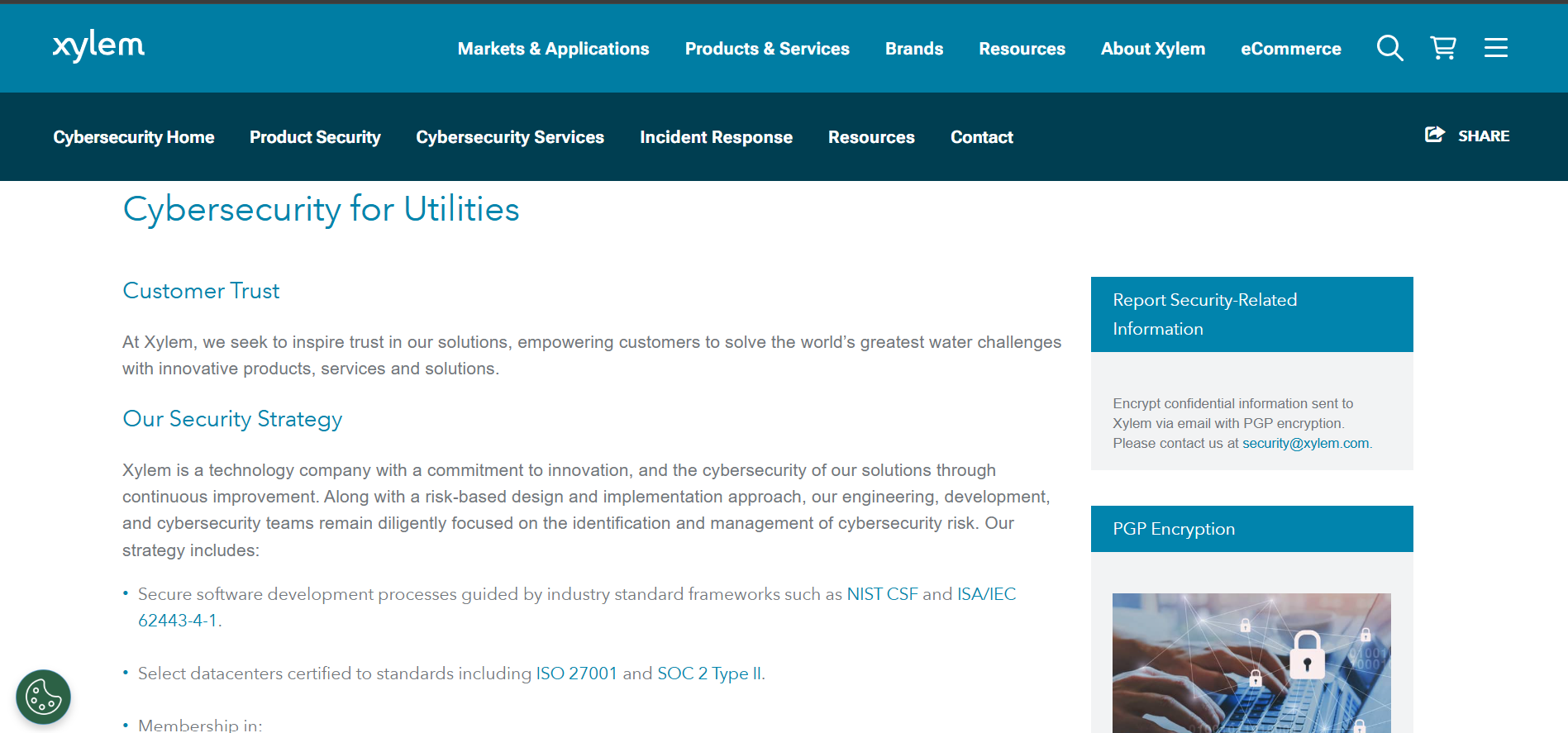
This is why Cybersecurity for Utilities requires a specialized approach that understands both digital risk and physical infrastructure.
The Consequences of a Utility Cyberattack Are Different
The impact of a cyberattack on a utility can extend far beyond the organization itself. If attackers compromise business systems, the result may include stolen data, billing disruption, or internal downtime. If they compromise operational systems, the consequences can be more serious.
A utility cyber incident may affect water quality monitoring, service availability, pressure management, equipment performance, emergency response, or regulatory reporting.
Even when attackers do not directly control physical systems, disruption to supporting business systems can still slow down operations and create public confidence issues.
Utilities are also part of a broader network of community resilience. Hospitals, schools, businesses, emergency services, and households all depend on reliable utility service. This makes utility cybersecurity not only an internal business issue, but a public service responsibility.
Legacy Systems Create Unique Security Challenges
Many utilities operate equipment and control systems that were not originally designed for today’s connected environment. Some systems may have been built for reliability and long service life, not modern cybersecurity.
This creates challenges that traditional IT teams may not face as often.
Older systems may not support modern security tools. Some equipment may be difficult to patch. Certain devices may use outdated protocols. Documentation may be incomplete.
Network visibility may be limited. In some cases, utilities may not have a full inventory of every connected asset across both IT and OT environments.
Replacing these systems is not always simple. Utility infrastructure can be expensive, complex, and operationally sensitive. Many organizations must improve cybersecurity while continuing to work with a mix of modern digital platforms and legacy equipment.
That requires practical, risk-based planning rather than a one-size-fits-all security model.
Availability Often Comes Before Everything Else
In traditional IT security, confidentiality is often one of the highest priorities. Businesses want to protect sensitive customer records, financial data, intellectual property, and internal communications.
For utilities, availability and safety are often just as important, and sometimes even more urgent.
A water utility cannot simply shut down critical systems for extended periods to complete a routine security update. Service continuity matters. Operational safety matters. Field teams, engineers, and control room operators need systems to work reliably.
This means cybersecurity decisions must be made with operational realities in mind. Security teams and operations teams need to work together so that protections reduce risk without creating unnecessary service disruption.
The best utility cybersecurity programs are not built in isolation. They are built through collaboration between IT, OT, engineering, operations, leadership, and external partners.
Remote Access Increases Both Efficiency and Risk
Remote access has become an important part of modern utility operations. It allows teams to monitor systems, diagnose issues, manage distributed assets, and respond faster to problems across service areas.
However, remote access can also create new cybersecurity risks if it is not managed properly.
Utilities may have vendors, contractors, engineers, field teams, and internal staff accessing systems from different locations.
Without strong controls, remote access can become an entry point for attackers. Weak passwords, shared credentials, unsecured connections, and poor access management can expose critical systems.
A utility-focused cybersecurity strategy should include strict access controls, multi-factor authentication where possible, role-based permissions, monitoring of remote activity, and clear policies for vendor access.
The goal is not to eliminate remote access. The goal is to make it secure, controlled, and visible.
Cybersecurity Must Account for Physical Infrastructure
Traditional IT security often focuses on digital assets. Utility cybersecurity must also account for physical infrastructure.
A cyber incident can affect equipment behavior, operational visibility, and field response. At the same time, physical access to certain sites, control rooms, panels, or remote equipment can create cybersecurity risk.
This is especially important for utilities with distributed infrastructure. Pump stations, treatment facilities, reservoirs, lift stations, and field equipment may be spread across large geographic areas.
Some locations may be unmanned for long periods. Others may depend on remote communications and automated monitoring.
Cybersecurity planning should consider how digital controls, physical access, asset monitoring, and emergency response work together.
Compliance Is Important, But It Is Not Enough
Utilities often operate under regulatory, industry, or government expectations related to cybersecurity and resilience. Compliance frameworks can help organizations build stronger programs, document controls, and demonstrate accountability.
But compliance should not be treated as the final goal.
A utility can meet certain checklist requirements and still have meaningful risk if it lacks asset visibility, incident response readiness, network segmentation, employee training, or strong vendor controls. Threats change quickly, and attackers do not limit themselves to the boundaries of a compliance checklist.
A mature utility cybersecurity program should go beyond compliance. It should focus on operational risk, service continuity, detection, response, recovery, and continuous improvement.
IT and OT Teams Need Shared Visibility
One of the biggest barriers to effective utility cybersecurity is separation between IT and OT teams. IT teams may understand enterprise security tools and policies, while OT teams understand operational systems, equipment behavior, and service requirements.
Both perspectives are necessary.
If IT teams make decisions without understanding operations, they may recommend controls that are difficult or risky to implement. If OT teams operate without cybersecurity support, critical systems may remain exposed to modern threats.
Shared visibility helps both sides make better decisions. This includes understanding which assets exist, how systems communicate, where critical dependencies are located, which vendors have access, and what risks could affect operations.
Strong cybersecurity for utilities depends on building a common view of the environment.
Incident Response Must Be Built for Utility Operations
Every organization needs an incident response plan, but utilities need plans that reflect the realities of critical service delivery.
A standard IT incident response plan may focus on isolating devices, restoring backups, investigating malware, notifying stakeholders, and recovering business systems.
These steps matter, but utilities also need to consider operational continuity, public communication, safety protocols, regulatory reporting, and coordination with local or government partners.
For example, if a cyber incident affects visibility into operational systems, the utility may need manual workarounds or field verification procedures.
If a billing system is down, customer communication becomes important. If service delivery could be affected, leadership needs clear escalation paths.
The plan should be tested before an emergency happens. Tabletop exercises, cross-functional response drills, and clear communication roles can help utilities respond with more confidence.
Vendor and Supply Chain Risk Cannot Be Ignored
Utilities depend on many external partners. These may include software providers, equipment manufacturers, engineering firms, maintenance contractors, cloud platforms, managed service providers, and consultants.
Each connection can create risk if vendor access is not managed carefully.
A utility cybersecurity program should evaluate how vendors connect to systems, what access they have, how credentials are managed, how software updates are delivered, and how third-party risks are reviewed. Contracts and policies should clearly define cybersecurity expectations.
Supply chain security is especially important as utilities adopt more connected devices, automation tools, and digital platforms. The security of the utility environment depends not only on internal controls, but also on the resilience of the broader ecosystem.
Cybersecurity Should Support Digital Transformation
Many utilities are investing in digital transformation. Smart meters, remote sensors, cloud platforms, analytics tools, automation, and connected infrastructure can improve efficiency, visibility, and decision-making.
But digital transformation also expands the attack surface.
Every new connection, application, device, and data flow should be evaluated through a cybersecurity lens. Security should not be added only after a new system is deployed. It should be part of planning, design, procurement, implementation, and ongoing operations.
When cybersecurity is built into digital transformation, utilities can modernize with more confidence. They can gain the benefits of connected technology while reducing unnecessary exposure.
Building a Stronger Utility Cybersecurity Strategy
A stronger approach starts with understanding the full environment. Utilities need visibility into IT assets, OT systems, network connections, remote access points, vendors, data flows, and critical operational dependencies.
From there, they can prioritize risk. Not every system has the same importance, and not every vulnerability creates the same level of operational concern. A risk-based strategy helps utilities focus on the assets and processes that matter most.
Important steps include improving asset inventory, segmenting networks, strengthening access controls, training employees, monitoring for unusual activity, preparing incident response plans, reviewing vendor risk, and aligning cybersecurity with operational goals.
The most effective programs are practical and continuous. They do not treat cybersecurity as a one-time project. They treat it as an ongoing part of utility resilience.
Final Thoughts
Utility cybersecurity requires a different approach because utilities operate in a different world. They are not only protecting data and corporate networks. They are protecting essential services, operational systems, physical infrastructure, and public trust.
Traditional IT security practices are still important, but they must be adapted to the needs of IT and OT environments.
Utilities need cybersecurity strategies that account for legacy systems, service continuity, remote access, field infrastructure, vendor risk, compliance requirements, and emergency response.
As utility systems become more connected, the need for specialized cybersecurity will only grow. The organizations that prepare now will be better positioned to protect their operations, support their communities, and build a more resilient future.
