

A full live blackjack table creates a capacity issue rather than a complete access block. Classic live blackjack commonly limits the number of primary seats, while Bet Behind allows additional participants to place wagers on hands already controlled by seated players.
That creates a clear separation between wager participation and decision authority. Evolution’s classic live blackjack uses seven main seats, while Bet Behind expands the number of bettors attached to those positions.
Infinite Blackjack addresses the same capacity constraint through a different table architecture, allowing more players to participate without relying on the standard seven-seat model.
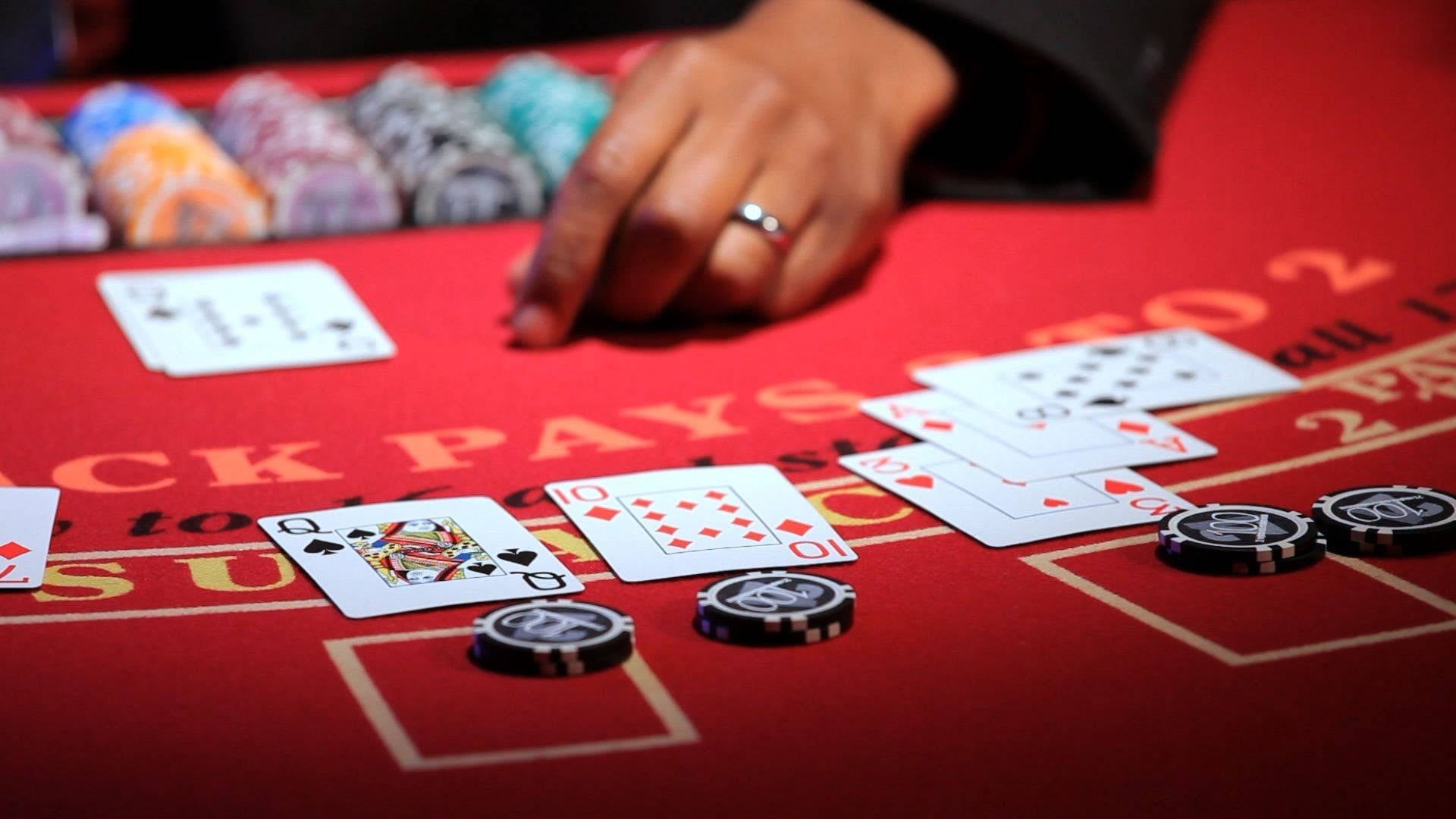
Check the Table State Before Wagering
A crowded table can display several different operational states. Every primary seat may be occupied while Bet Behind remains available, a seat may be temporarily reserved, or the interface may show no available position until another player exits.
Players often move between different parts of a casino platform during the same session, from checking a bruce bet promo code in the promotions area to opening a live blackjack table. At the table, the focus shifts to seat availability, Bet Behind limits and the rules for attached wagers. Before placing the first wager, check:
- Which seated hand receives the attached stake.
- Whether split and double actions require additional stakes.
- When the betting window closes.
- How pushes are settled.
The Bet Behind button confirms that participation is available, but the table rules explain how later hand actions affect the wager.
Who Controls the Hand?
A Bet Behind participant does not control hit, stand, split or double decisions. Those actions remain with the seated player, and the attached wager follows the resulting hand according to the table rules. The practical division of control is straightforward:
- The seated player chooses the blackjack action.
- The Bet Behind bettor chooses the attached stake.
- The table rules determine how splits and doubles affect that wager.
- The game system settles both wagers from the resulting hand.
Recent results should also be treated carefully. A seated player who has won several consecutive hands does not gain a higher probability of winning the next independent hand simply because the recent sequence looks favorable.
Splits and Doubles Alter Exposure
Split and double decisions deserve additional attention because they can modify the amount committed to the hand.
If the seated player doubles, the provider’s rules determine whether the Bet Behind bettor contributes an additional stake, follows a predefined treatment or receives another settlement outcome. Splits create a similar issue because one original hand becomes two separate hands.
Standard blackjack rules do not fully explain how Bet Behind stakes are treated. A player may understand basic strategy perfectly and still need to read the provider-specific Bet Behind rules to know how additional exposure is handled.
How Seat Access Works at Full Tables?
The term “queue” suggests a numbered waiting list, but live casino interfaces use different seat-allocation systems. Some tables simply display occupied positions until a seat becomes free. Others provide notifications, temporary reservations or another interface mechanism, while Bet Behind keeps wagering available during the wait.
Unless the interface explicitly shows a queue position or seat reservation, watching the table should not be treated as holding the next available place. During busy periods, a seat may reopen and disappear quickly if another player selects it first.
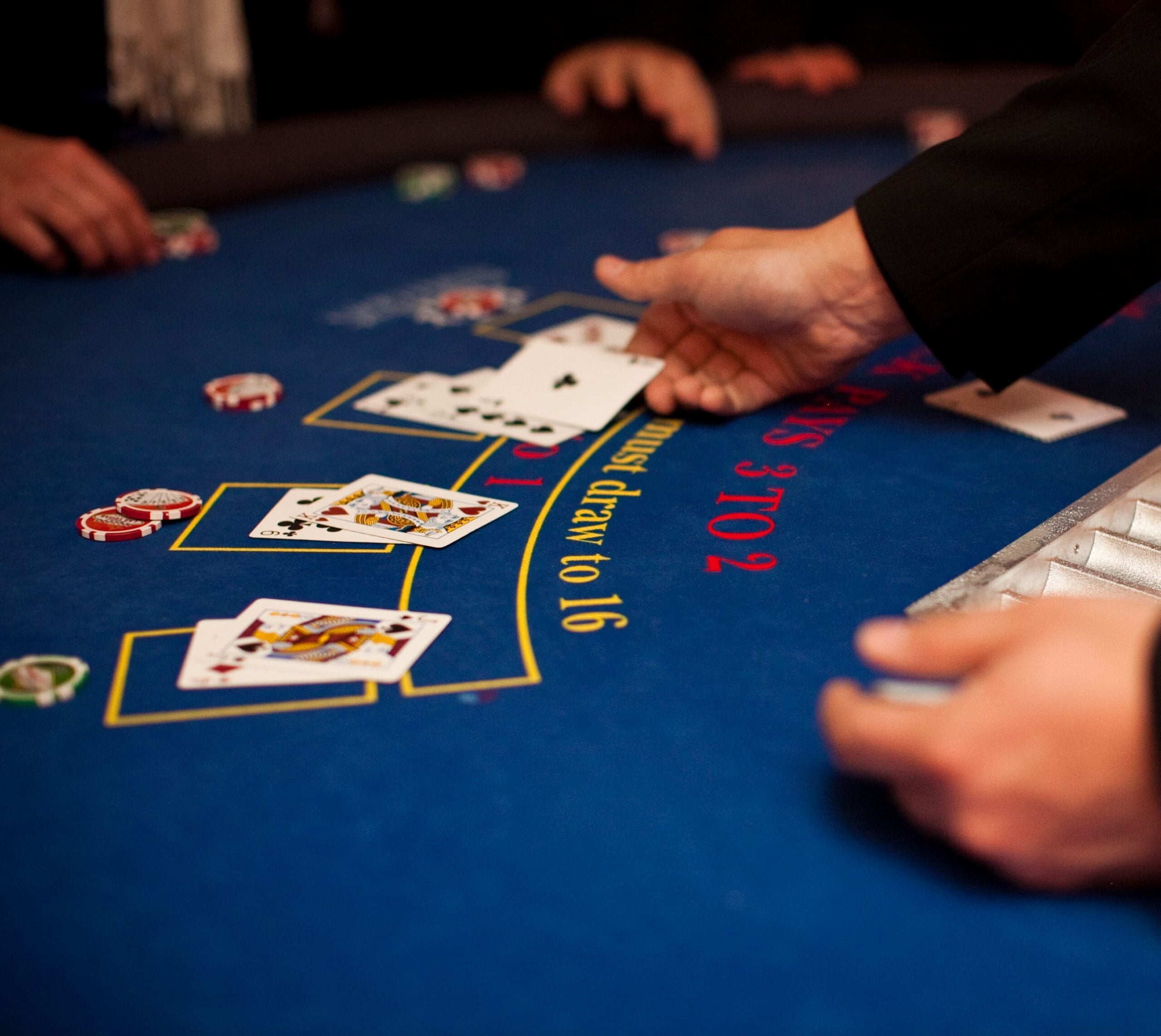
When a Seat Opens?
Taking an open seat changes the player’s role immediately. The participant moves from following another person’s decisions to controlling a separate blackjack hand directly.
Before switching, check whether a Bet Behind wager has already been accepted for the next round. Otherwise, the player may end up with an active attached wager and a newly claimed primary seat at the same time.
Tips Before Using Bet Behind
Bet Behind works best when access to a specific table matters more than direct control of the hand. Players who prefer to make every blackjack decision themselves should consider waiting for a seat or moving to another format instead. Before using the feature:
- Review the split and double treatment for attached wagers.
- Confirm the minimum and maximum Bet Behind limits.
- Check whether the interface shows any seat-reservation status.
- Avoid selecting a seated player based on recent winning sequences.
These checks reduce uncertainty around decision authority, wager exposure and settlement before the next round begins.
Infinite Blackjack Uses a Different Capacity Model
Infinite Blackjack uses a higher-capacity format that removes the usual competition for a limited number of seats. Players make their own decisions without waiting for a conventional main position, which makes the format more suitable when direct control matters more than staying at a specific classic table.
The structure should still be treated as a separate product rather than ordinary blackjack with unlimited seats. Dealing flow, interface logic and table rules can differ from the classic seven-seat format, even though the core blackjack objective remains familiar.
Direct Control vs. Immediate Access
A full live blackjack table leaves the player with three practical options: use Bet Behind, wait for a primary seat or move to a higher-capacity blackjack format. Bet Behind preserves access but leaves decision authority with the seated player.
A primary seat restores control over the hand, while Infinite Blackjack avoids the standard seat-allocation problem through a different design.
Understanding that distinction prevents a common misunderstanding at busy live tables: the ability to place a wager does not necessarily mean the player controls the hand.
