

Buildings have relied on metal keys for centuries, yet that familiar piece of hardware is quietly disappearing from offices, schools and apartment blocks.
Electronic and keyless systems now offer a level of control and flexibility that traditional locks simply cannot match.
Understanding how this shift works helps explain why so many property managers are rethinking their approach to security.
The Limits of Traditional Keys
A physical key has one major weakness: once it leaves your hand, you lose control over it. Keys get copied, lost or lent out without anyone keeping track.
When a tenant moves out or an employee leaves on bad terms, the only real solution is to change the locks, which costs time and money. Multiply that across a large building with dozens of doors, and the administrative burden becomes significant.
There’s also the problem of accountability. If something goes missing from a storage room or a door is left unlocked overnight, a mechanical lock offers no way to find out who was responsible. Facility managers are often left guessing, because the lock itself holds no memory of who used it or when.
How Electronic Access Changes the Equation
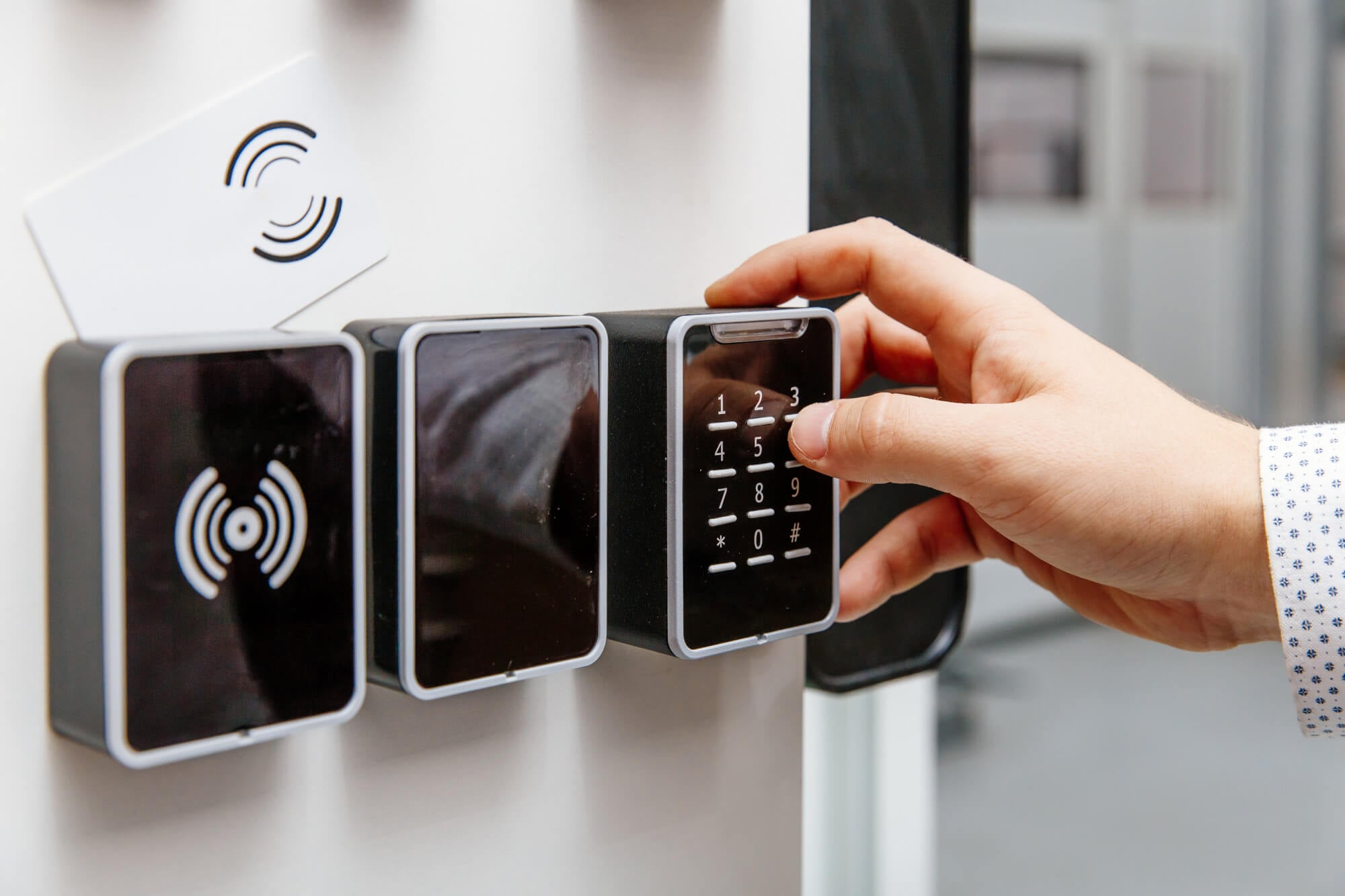
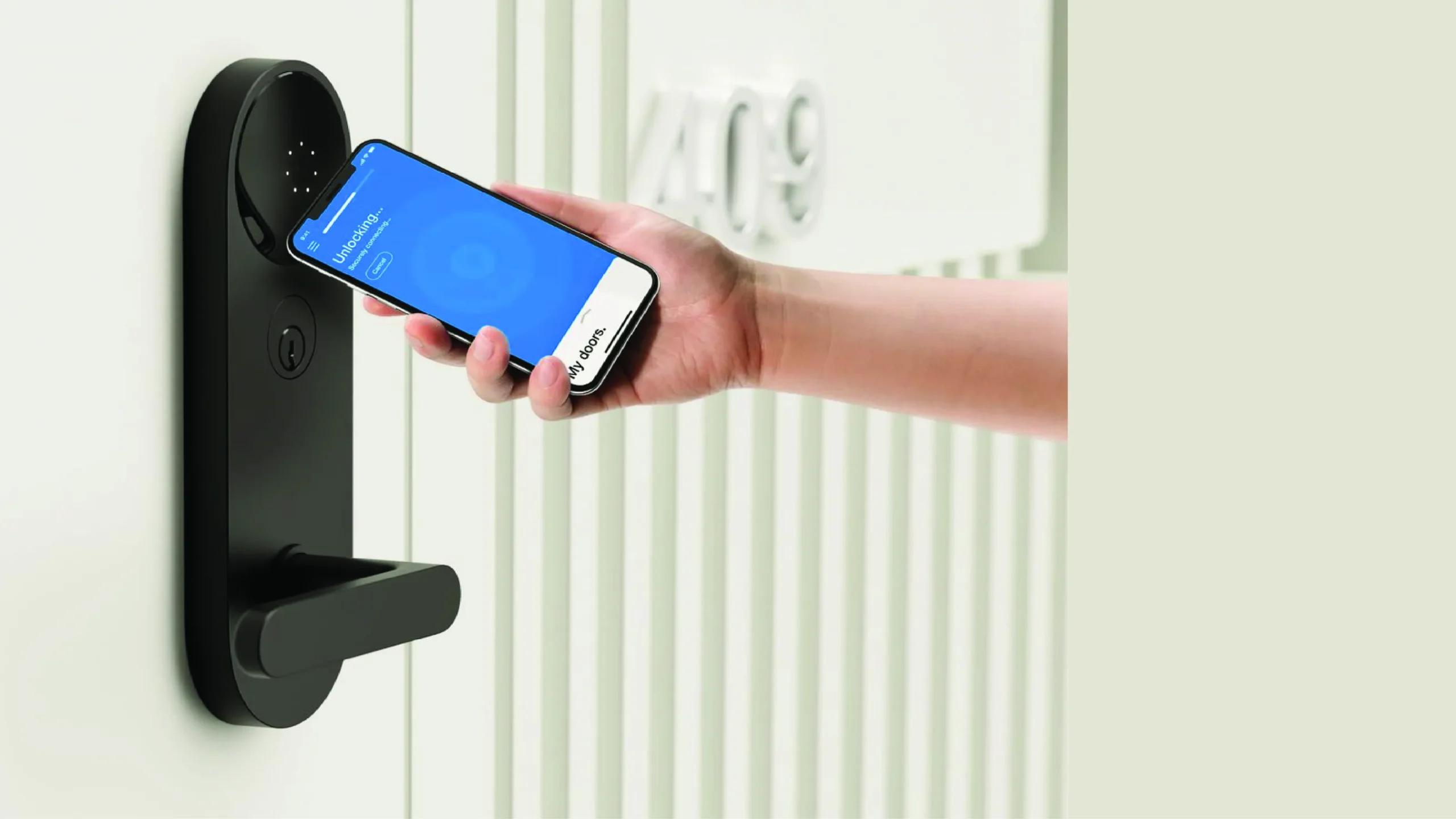
Modern Access control systems solve these problems by replacing physical keys with programmable credentials, whether that’s a smart key, a fob or a mobile app.
Permissions can be granted or revoked instantly from a central system, without anyone needing to physically visit the lock itself. If a key is lost, it can simply be deactivated rather than triggering a costly rekeying process across an entire building.
This kind of system also builds in accountability. Every entry and exit can be logged, giving building managers a clear record of who accessed which door and when.
That level of detail is particularly valuable in sectors like healthcare, education and housing, where knowing who was on site at a given time can matter for safety and compliance reasons.
Some of the most advanced systems go a step further by removing the need for batteries or wiring in the lock itself.
Energy harvesting technology, for instance, draws power from the action of turning the key, meaning locks can be installed in places where running electrical cables would be impractical or expensive. This makes retrofitting older buildings with electronic access far more achievable than it once was.
Common Benefits Reported by Building Managers
- Reduced costs from not having to replace locks after a lost key
- Faster onboarding and offboarding of staff or tenants
- Clear audit trails for compliance and investigations
- Flexibility to set time-limited or schedule-based access
- Lower long-term maintenance thanks to battery-free technology
Choosing a System That Fits the Building
Not every property has the same needs. A small office might only require a handful of smart locks on key entry points, while a large residential complex could need hundreds of doors integrated into one management platform.
Companies such as iLOQ have built their reputation on offering scalable solutions that work across these very different scenarios, from single buildings to nationwide property portfolios.
When evaluating a system, it’s worth considering how easily it integrates with existing building management software, how straightforward the credential issuing process is for administrators, and whether the hardware can be installed without extensive renovation work. These practical details often matter more in the long run than flashy features that rarely get used.
The shift away from mechanical keys isn’t just a trend driven by novelty. It reflects a genuine need for better oversight, lower operational costs and security that can adapt as a building’s requirements change over time.
As more property managers weigh up the long-term savings against the upfront investment, keyless systems are likely to become the standard rather than the exception.
