

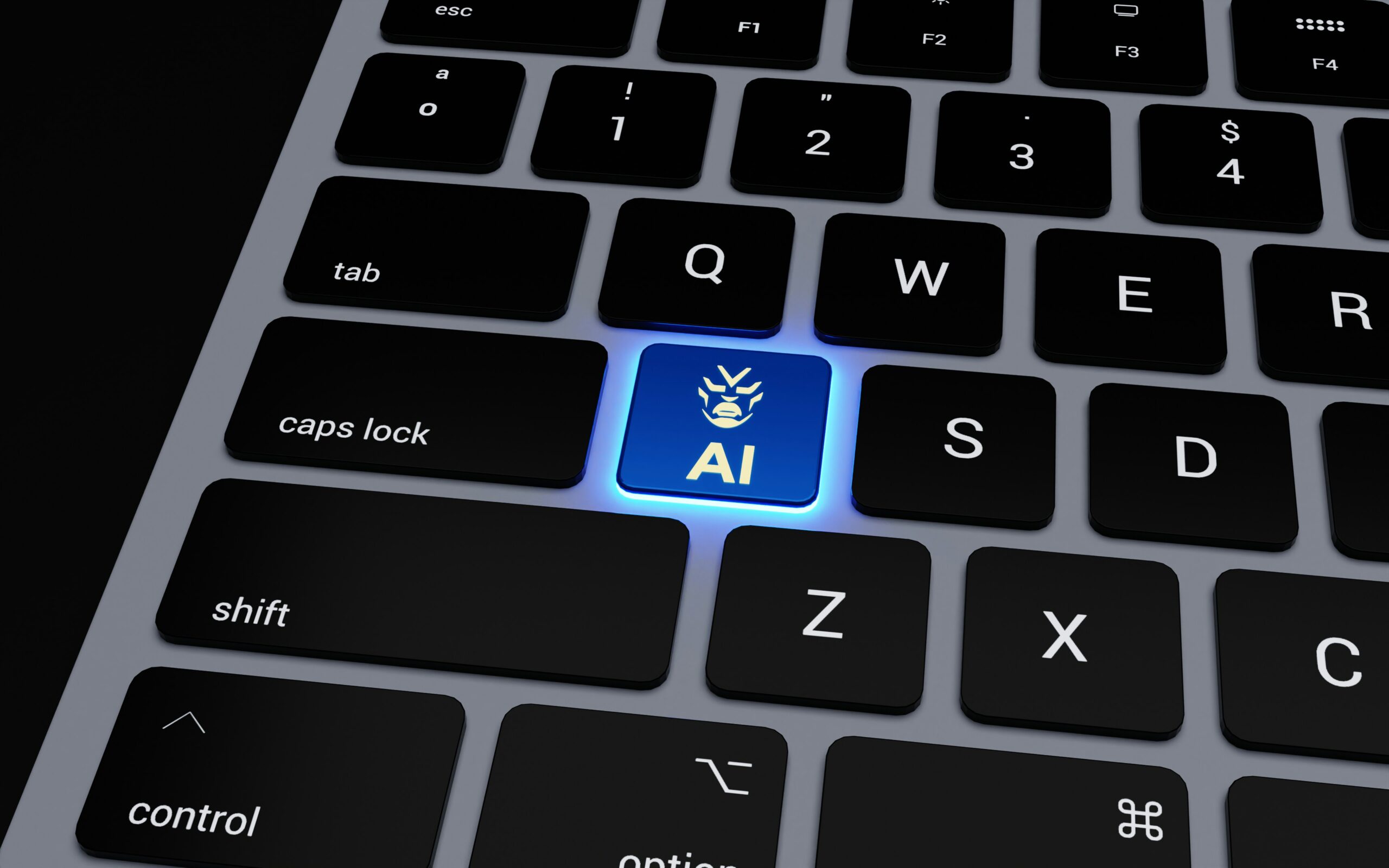
Ever since AI started to gain traction in late 2022, phishing attacks have surged in numbers by a startling 1,200% according to a 2025 report from Gartner – and along with it, the related financial losses, digital threats pressuring businesses, and the need to respond with superior, future-ready solutions and fight back against this epidemic.
AI has its merit for improving multiple business areas, like automating tasks that once relied on human beings – but it’s safe to say that the bad it brought about is keeping many IT teams and business owners up at night.
Most companies aren’t financially and operationally prepared to stay resilient in the face of the new waves of AI-fueled cyber threats – even basic awareness about what these threats and related risks imply is lacking.
And while the lack of knowledge is understandable since it’s fresh technology the world is just figuring out, the courage to sit back relaxed and wait for the misfortune to strike is not.
Fortunately, for businesses lacking trained, in-house IT crews, cybersecurity providers like managed IT services can fortify IT systems, implement proactive safeguards, intercept threats before they escalate, and create the entire setup to help businesses remain resilient against what AI-driven attacks exist and may arise.
The changing face of cybersecurity in the era of AI
AI is changing what businesses understand through cybersecurity – and that’s not always in their best interest. Cisco reported that AI-caused cybersecurity incidents marked around 86% of businesses studied last year – and the figure is gradually increasing as AI attacks become more proficient, crafty, difficult to identify.
Deeds that once required heavy skill to deploy can now be carried out and scaled by basically anyone with a generative AI tool that can write and adjust infected code on their behalf.
AI is also used to generate super-persuasive and tailored content and emails, replicating one’s personal writing style, and making the scam look strikingly sincere to victims.
Individuals with little tech proficiency can use the readily available AI models around to roll out complex cyberattacks targeted at the vulnerabilities found in more environments at the same time.
Among the most widespread AI-based dangers pressuring organizations to level up their cybersecurity nowadays include:
- AI- and ML-improved malware that can help attackers circumvent traditional detection tools, creating threats that adjust their behavior to fit naturally into network activity
- Deepfake phishing that can replicate the looks and voices of real humans, and which we bump into online on almost all media platforms
- AI-driven phishing, where messages can be automatically created and personalized to trick recipients into believing they’re interacting with a real persona
- Password attacks where endless combinations of passcodes are tested for accuracy in seconds
- Autonomous scanning for vulnerabilities that detects weaknesses in real time.
It’s the AI against the AI battle
AI is indeed a blessing for cybercriminals, but what if it could become the ace up the future-ready business’s sleeve? Because right now, it’s being employed in corporate settings to slash the time needed to spot threats, counterattack, recover, and anticipate attacks.
We talk about defensive AI models designed to assess large databases live, understanding context across silos, uncovering irregularities, and keeping breaches from occurring.
AI is capable of noticing suspicious login attempts, flagging fishy network activity, deconstructing malicious code, and anticipating weak points and security gaps by assessing historical information.
Actions to take to improve your organization’s cybersecurity
There are things you and your IT team can do right now if you have not done so already to make a meaningful change.
First things first, you should learn how your organization is positioned in terms of cybersecurity, meaning evaluating current systems, operations, entry points and weaknesses to see where improvement should be done.
Check out for storage problems, too-tolerant permission giving, unsecured endpoints, outdated software, etc. Importantly, you should carry out a cybersecurity assessment that’s made with the current 2026 threat landscape in mind to figure out if you can upgrade your systems with your in-house team or a designated cybersecurity professional, or if you need the support of a managed security service provider. Even seemingly innocent things like relying on a password for more accounts can weaken your security.
Then, keep an eye out for the evolution of AI-powered threats. What are the most concerning and powerful threats right now?
What could tomorrow bring? If your organization isn’t already protected by the capacities of a cybersecurity provider or super-skilled IT team, then you have quite a few matters to review.
How collaborating with a cybersecurity provider can spell the end of all these concerns?
One of the most successful, easy, and rewarding ways to safeguard your organization against the ever-evolving AI-based cybersecurity threats now and forever is to collaborate with a dedicated team – particularly efficient for small and medium businesses lacking a solid IT team.
A reliable cybersecurity provider has the necessary tech stack and expertise to anticipate and protect against all sorts of cybersecurity threats, and to uncover vulnerabilities and integrate patches to reduce those risks.
It’s the solution to having your data constantly monitored and in check. You basically tap into a reservoir of advanced capabilities that wouldn’t just be budget-wrecking and backbreaking to develop in-house, but also quite impossible.
Such experts have years of hands-on experience working to protect businesses across multiple industries against digital attacks and security incidents.
So instead of experimenting with technologies, you leave the heavy-lifting on seasoned experts with proven track records who know for a fact what works and what doesn’t. They operate behind the scenes, deploying:
- Around-the-clock threat monitoring and detention, helping your business stay ahead of emerging threats and stop attacks at the earliest possible stage
- Superior cybersecurity procedures, gatekeeping entry points like emails that make attacks like phishing famously common
- Constant risk evaluations and updates that keep you clued in about your IT infrastructure, and ensure that threats and vulnerabilities have no room to escalate.
The list of advantages you can obtain by partnering up with a cybersecurity provider is clearly more extensive. But what you can get with such a move will mainly depend on how advanced your business’s security needs are, organization size and industry, whether you already have an in-house IT team or not, and several other determinative aspects.
AI-powered tools can be a boon, but they can also generate issues. And businesses must stay ahead of them, have the solutions to fight them, and never underestimate what such potent technology can do.
