

Cities are changing faster than ever. As populations grow and e-commerce continues to expand, the movement of goods within urban spaces has become one of the defining challenges of modern infrastructure.
Deliveries that once relied on predictable schedules and centralized hubs now depend on flexible, tech-enabled systems that can adapt to the demands of connected consumers.
This shift has given rise to a new kind of digital infrastructure, one that blends physical space with smart technology to make urban logistics more efficient, sustainable, and human-centered.
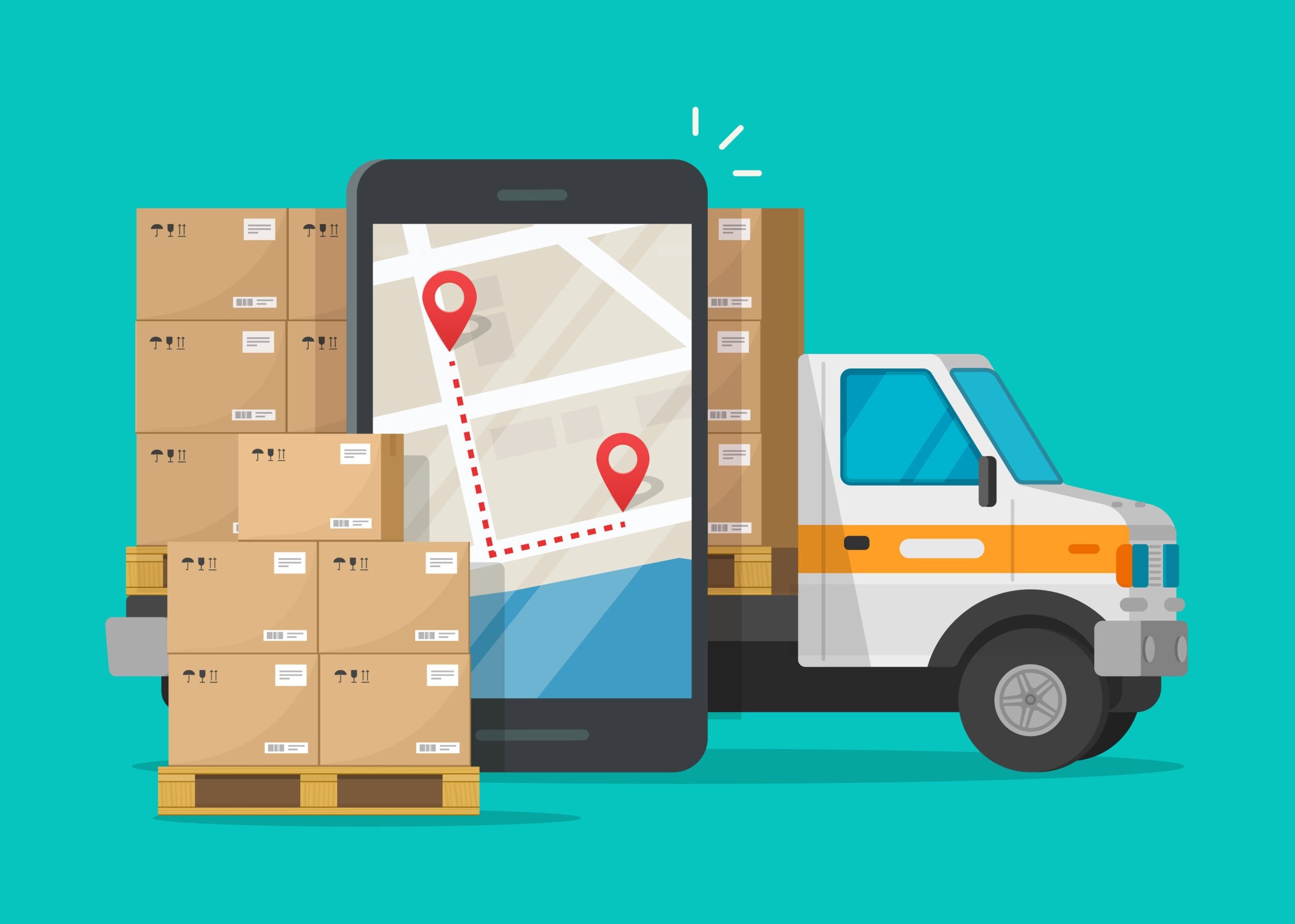
The Urban Delivery Challenge
The growth of online shopping has transformed expectations for convenience. Customers want packages to arrive faster, safer, and on their own terms.
This expectation, however, places enormous strain on delivery networks and city environments. Congested streets, missed deliveries, and carbon-heavy transport systems reveal how outdated much of urban logistics still is.
To meet these demands, cities and retailers are turning to intelligent delivery solutions that merge automation with accessibility.
Smart lockers are emerging as one of the most practical tools in this transformation. They act as micro-distribution hubs, reducing traffic from repeated delivery attempts and allowing customers to collect items on their own schedules.
A Connected Network for Modern Cities
Building the digital infrastructure for logistics requires thinking beyond warehouses and trucks. It means creating a connected ecosystem of technologies and touchpoints that integrate with how people actually live and move.
Smart lockers fit seamlessly into this model. Installed in residential complexes, workplaces, and public spaces, they extend the reach of logistics networks while reducing inefficiencies.
The technology behind these systems is quietly sophisticated. Sensors, cloud platforms, and real-time notifications make it possible to manage thousands of transactions securely and without direct human handling.
By automating delivery and pickup, smart lockers also free up valuable time for both consumers and couriers, turning everyday logistics into a smoother, more sustainable process.
Modern solutions such as outdoor storage lockers are designed to perform in a wide range of environments. Built for durability and weather resistance, they ensure that deliveries remain secure and accessible even in challenging urban conditions.
Their flexibility allows cities to expand service coverage without the need for new buildings or large-scale delivery centers.
Sustainability and Urban Efficiency
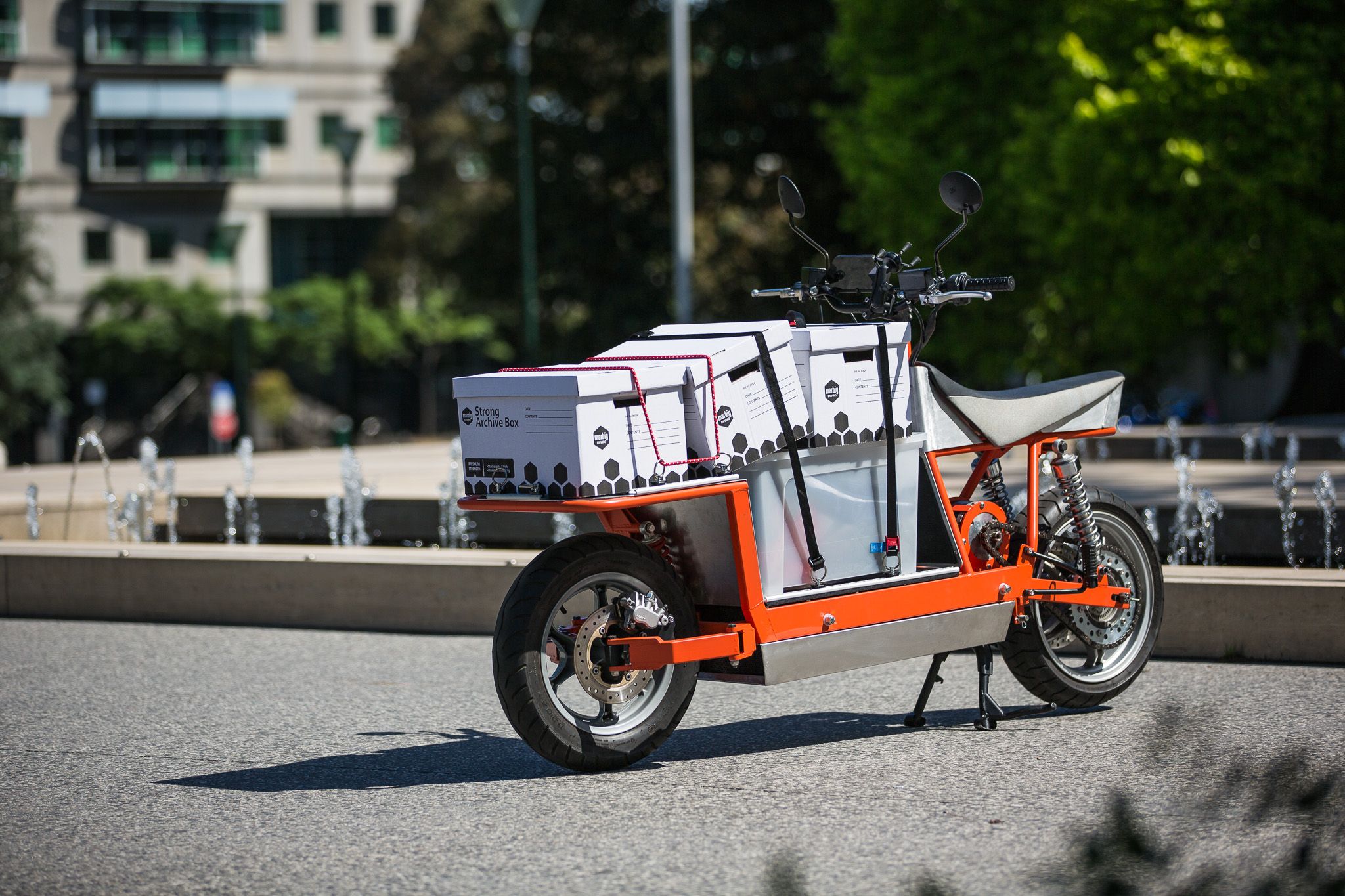
Smart lockers contribute to a more sustainable logistics model. By consolidating multiple deliveries into a single drop point, they reduce the number of vehicles circulating in busy neighborhoods.
Fewer trips mean lower emissions, less congestion, and quieter streets. This supports the broader goals of many cities seeking to balance economic activity with environmental responsibility.
In addition to environmental benefits, these systems improve the customer experience. They create a sense of reliability and control, which strengthens trust between brands, couriers, and residents.
The convenience of round-the-clock access encourages adoption, while the data generated from each interaction helps optimize delivery routes and urban planning.
The Future of Urban Logistics
The next era of logistics will be defined by intelligence, integration, and adaptability. Smart lockers are more than a convenience feature; they are a foundation for how cities will handle commerce and mobility in the years ahead.
By investing in this kind of digital infrastructure, people create urban systems that are faster, cleaner, and more connected to the lives they serve.
