

We’ve all been there. You open your inbox on a Tuesday morning, coffee still steaming next to you, and there it is. A wall of generic subject lines and robotic pitches that feel like they were written by a machine for another machine. Honestly, it’s exhausting. In the B2B world, we often fall into the trap of thinking that because we’re selling to a business, we have to sound like a technical manual. But businesses don’t buy things. People do.
Email marketing is still the most powerful tool in your kit if you use it to actually talk to people. It’s about building a bridge between your solution and the person sitting behind the desk who has a real, nagging problem to solve.
So, if you want to move the needle, you’ve got to stop “blasting” your list and start starting conversations. It sounds simple, I know, but we rarely do it.
Understanding the B2B Mental Shift
Before we talk about clicks and opens, we need to talk about the mindset. B2B sales cycles are long. They’re rarely impulsive. When someone signs up for your newsletter or downloads a white paper, they’re not usually ready to buy right then. They’re looking for a guide. But are we actually acting like guides, or just loud tourists? This is exactly where a thoughtful welcome email can set the tone, offering immediate value and showing new subscribers that they’ve just connected with a brand that actually understands their challenges. The best welcome emails usually combine a clear introduction, immediate value, and a simple next step so subscribers know exactly what to expect and where to go next. Your strategy should reflect that patience.
Your strategy should reflect that patience. Instead of constantly asking for a meeting, try offering value that makes their job easier today. When you position yourself as a helpful resource rather than a persistent salesperson, the whole dynamic changes. And they start looking forward to your name appearing in their inbox because they know there’s something useful inside.
I’ve found that trust is built in the quiet moments between sales. And that’s the point.
The Power of the Segmented List
Sending the same email to every single person on your list is a recipe for high unsubscribe rates. A CEO has very different concerns from a department manager. One cares about high-level ROI and long-term vision, while the other cares about daily efficiency and how a tool will actually work in their team’s hands.
Start by breaking your list down. You can do this by industry, by job title, or maybe even by how they found you. When you speak directly to a group’s specific pain points, engagement goes through the roof. It shows that you actually understand who they are and what they’re dealing with at 9:00 AM on a Monday when the emails are already piling up.
Have you ever received an email so relevant it felt like the sender was reading your mind? That is the goal. You know, that “how did they know?” feeling.
Content That Actually Gets Read
What should you actually say? The best B2B emails focus on solving problems rather than just listing features. Instead of saying your software has a new dashboard, talk about how that dashboard saves two hours of manual data entry every week. That’s two hours they get back to actually breathe.
Regular newsletter emails are a fantastic way to maintain this connection without being overly pushy or sales-focused. It’s incredibly helpful to look at successful newsletter email examples from other industries to see how they balance information with personality. By observing what works for others, you can find a unique voice that resonates with your own professional community.
But how do you find that voice? I guess it starts by writing the way you talk.
Case studies are gold here. People want to see how someone else in their position succeeded. Share stories of real challenges and how they were overcome. It provides social proof and builds trust in a way that a list of bullet points never will.
Keep your writing simple. You don’t need to use big words to sound professional. In fact, clarity is the ultimate sign of professionalism. Use short paragraphs. Use clear headings. Make it easy for a busy professional to scan your email and get the main point in thirty seconds.
The Technical Side of Delivery
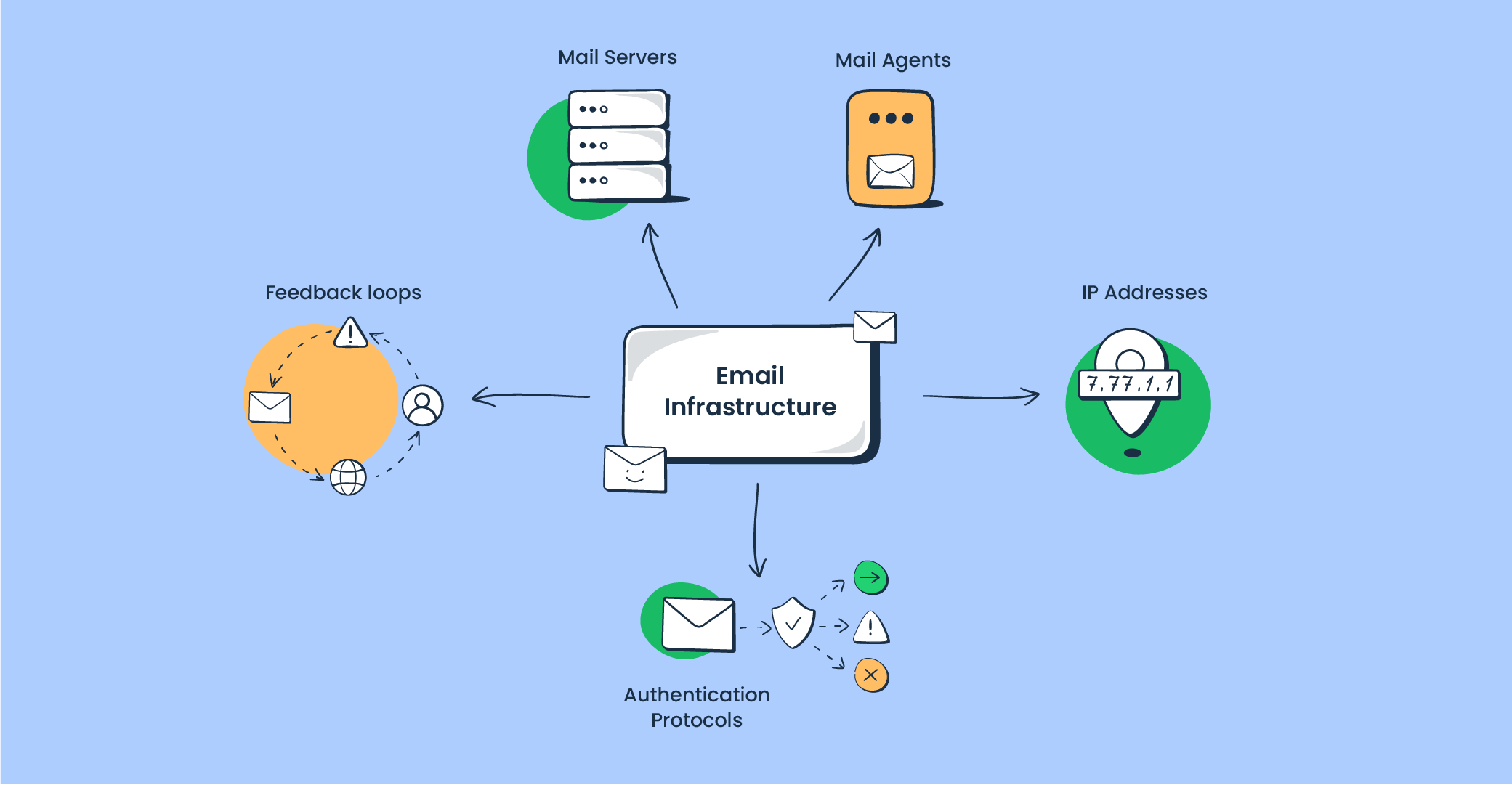
You can write the best email in the world, but it doesn’t matter if it ends up in the spam folder. Deliverability is the foundation of your strategy. This means keeping your list clean. If someone hasn’t opened an email in six months, it might be time to let them go.
A smaller, highly engaged list is worth much more than a massive list of people who never look at your content.
Also, pay attention to your timing. While there’s no “perfect” time that works for every industry, mid-week mornings are generally a safe bet for B2B. But even then, do we ever really know what our audience is doing at 10:00 AM? Maybe they’re in a meeting, or maybe they’re just ignoring their phone. Avoid Friday afternoons when people are checking out for the weekend, and Monday mornings when they’re drowning in everything that piled up over the break.
The Call to Action
Every email should have a purpose. What do you want them to do next? Whether it’s reading a blog post, signing up for a webinar, or just replying to the email with a question, make it clear. Use one primary call to action. Giving people too many choices often leads them to choose nothing at all.
Make your link or button easy to find. Don’t bury it in a sea of text. And most importantly, make sure the destination aligns with the email’s promise. If you promise a helpful guide, don’t send them to a generic sales page.
Building Long-Term Trust
At the end of the day, email marketing is a long game. It’s about showing up consistently with quality and respect for your audience’s time. If you focus on being helpful and human, the sales will follow. You’re not just sending data. You’re sending a message to a human being who’s trying to do their best work. When you respect that, your marketing becomes much more than just a strategy.
It becomes a relationship.
