

Over the years, identity credential attacks have proven to be a serious threat. These incidents affect people and organizations alike more often than not, which leads to major disruption.
Acting swiftly will restore access, mitigate damage, and safeguard sensitive information. Everyone who takes online security seriously needs to know how to recover from these incidents quickly.
Recognizing an Identity Credential Attack
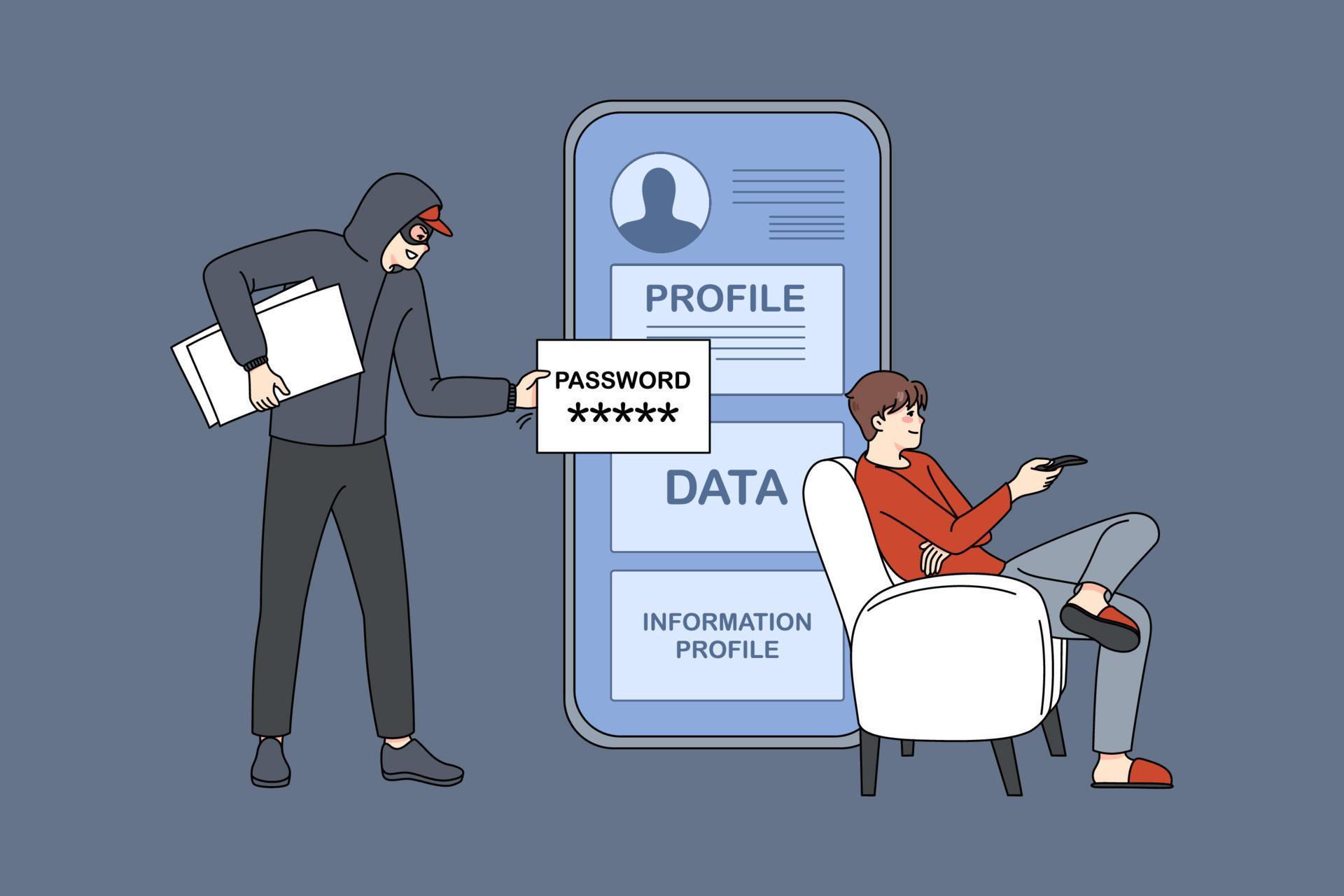
Immediate recognition is the first step to recovery from identity credential attacks. Indicators include changes to your password that you didn’t make, account activity you didn’t initiate, or alerts about unauthorized access.
The ability to identify quickly contributes to faster containment and prevents the threat from spreading further. More importantly, monitoring for anomalies helps identify signs of danger before more harm has been inflicted.
Containing the Incident
Containment after detection of an attack stops further misuse of a breach. If we take accounts offline or stop logins temporarily, it will prevent this unauthorized activity. Rapid response prevents sensitive data from being revealed. Swift action is one of the best ways to mitigate a credential leak.
Resetting and Strengthening Passwords
If you were attacked, you’d better reset your passwords on the affected accounts. Use a strong passphrase for each login, probably unique, so the risk of reuse would be minimized by not repeating passwords. This helps keep your passwords safe and secure.
By doing this, you are also providing an extra layer of security from future threats by making sure not to use the same or similar password across different accounts.
Enabling Multi-Factor Authentication
Multi-Factor Authentication adds a layer of security. It involves verification through something users know and possess.
This means that even if a password gets into the wrong hands, access to the account is still almost impossible, thanks to multi-factor authentication. Activating this setting on each of the services boosts account security a great deal.
Alerting Affected Parties
Another step from the recovery stage of the restoration process is to notify those who’ve been affected by the breach. Someone related to your work (colleagues, clients, or partners) should know what happened and how it can affect them.
If you tell others what to do, it might take them off the potential threat pathway to their accounts. Effective communication allows everyone to know who they can trust, allowing them to take steps to protect their information.
Reviewing Account Activity
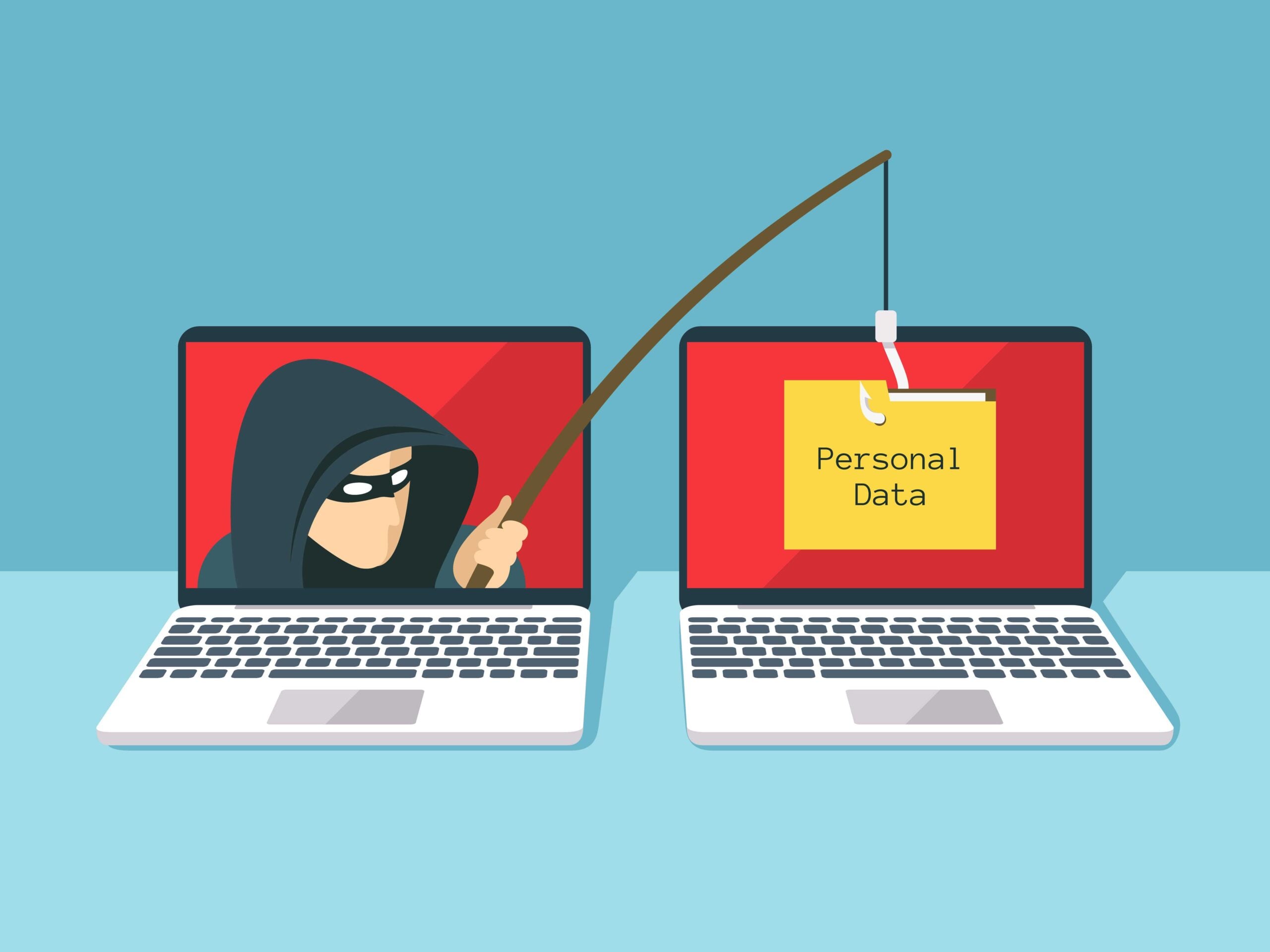
Looking back through activity on hacked accounts can reveal details of how far an intrusion has gone. By inspecting login records, transaction histories, or changes to personal information, you can identify what was accessed or changed in the information.
In-depth reviews might even reveal other accounts that are in need of care. It is better to document findings to support any subsequent follow-up or investigation.
As such, it becomes crucial to revoke all unauthorized devices and sessions to regain control. Ensure to remove all unauthorized devices from access accounts and lists to prevent them from keeping their foot in the door.
Recurrent incidents can be fixed through regular audits of the connected devices. Restricting access to only trusted devices is a great way to keep personal and business accounts safe.
Restoring and Updating Security Settings
It is important to restore security settings to their original settings and update recovery information. Changing backup recovery emails or phone numbers to ones that are active allows for easier account recovery. Examining security questions and answers is essential.
This can reduce the chance of exposure to another attack in the future. Keeping these settings updated can help with future recovery if the reset credentials are once again compromised.
Seeking Support When Needed
However, in case of serious violations, professional help might be required. Cybersecurity professionals could aid in recovering accounts, reviewing incidents, and providing suggestions on how to better defend yourself in the future.
If sensitive data or financial assets are in jeopardy, law enforcement may be contacted as well. Seeking help ensures a detailed recovery as well as early resolution for any other threats.
To Sum Up
Restoring from attacks on identity credentials needs to be fast. It requires speed, clarity, and constant awareness. Identification of threats, swift response, and bolstering of measures are key components.
Each incident offers a lesson to ensure that the next time, cybersecurity practitioners are better at protecting the digital lives of the said individuals/organizations with less exploitation. By taking these proactive measures, we help ensure a more secure digital landscape for all.
