

As blockchain ecosystems expand beyond trading-focused applications, increasing attention is directed toward assets capable of functioning within financial infrastructure.
Among these instruments, gold-backed tokens are discussed as digital representations of commodities that already play a structural role in global markets.
Such tokens are commonly evaluated through their ability to support stability, collateral frameworks, and settlement processes.
Their relevance is linked to integration potential and practical use within decentralized systems, particularly where predictable value behavior is required for operational continuity and system-level efficiency.
How Tokenized Gold Fits into Digital Systems?
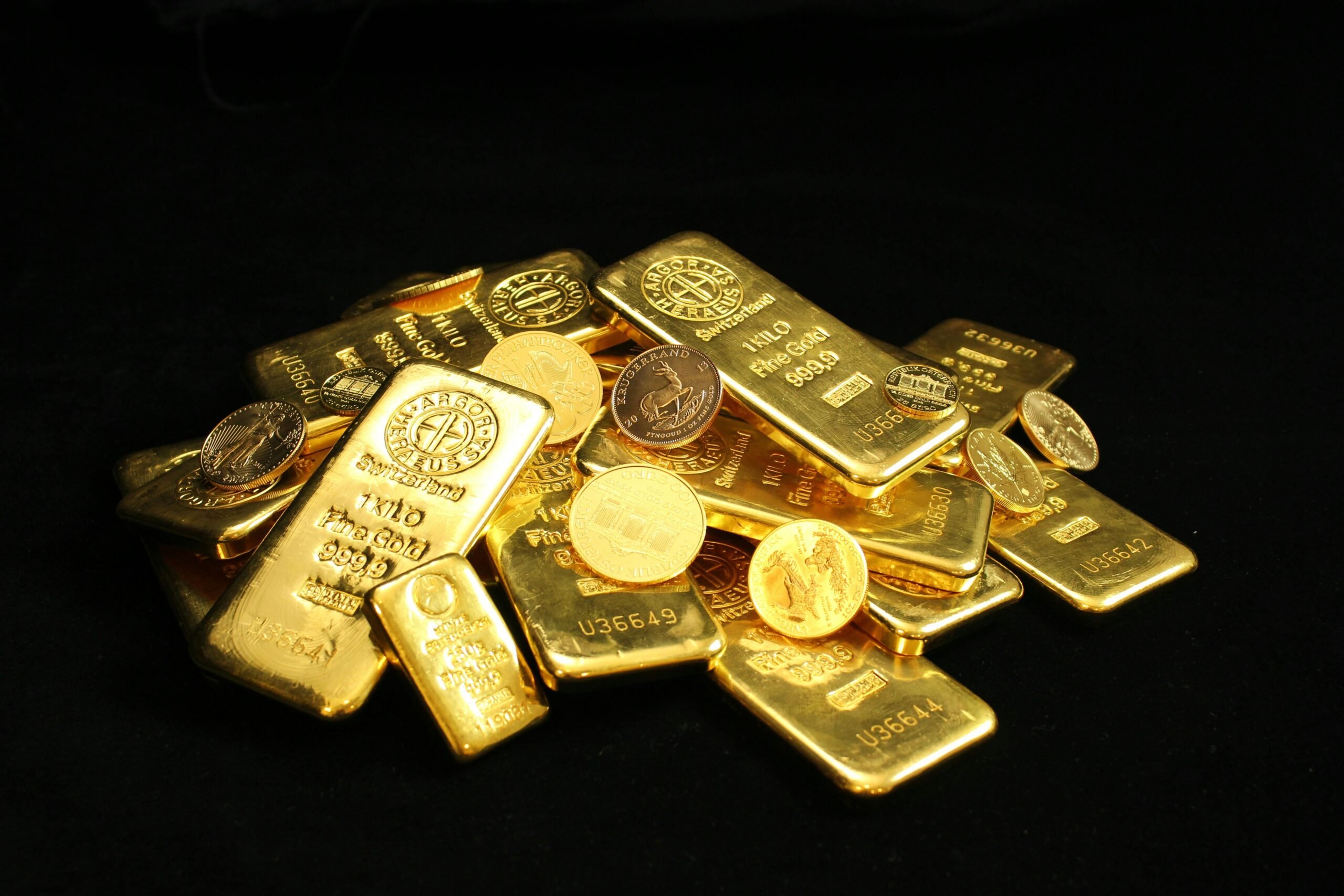
Gold-backed tokens represent ownership or entitlement to physical gold held in secured custody, while transaction records and ownership transfers are managed on-chain. This structure allows gold to circulate digitally without changing how it is stored or safeguarded.
By adapting a familiar commodity to blockchain environments, tokenized gold becomes compatible with decentralized platforms that rely on transparent accounting and efficient settlement.
This compatibility enables such tokens to operate alongside other financial instruments, including stable digital assets and settlement layers used in cross-platform transactions.
Infrastructure-Level Applications
Beyond portfolio allocation, gold-backed tokens have begun appearing in early-stage infrastructure use cases. Some decentralized platforms explore commodity-backed assets as collateral within lending mechanisms or as stabilizing components in synthetic financial products.
Although adoption remains limited, these examples illustrate how physical assets can support digital financial logic at an operational level.
In addition to collateral use, tokenized gold is sometimes considered for settlement and liquidity management within blockchain networks. Assets with relatively stable value characteristics can reduce friction in environments where volatility complicates:
- pricing;
- margin requirements;
- automated execution.
The continued development of blockchain systems plays a key role in enabling such integrations. Advances in blockchain innovations influence how traditional assets interact with decentralized architectures, particularly in areas related to settlement efficiency, interoperability, and programmable asset management.
Why Gold Adapts Well to Blockchain Environments?
Gold’s integration into digital finance builds on characteristics that have long defined its role in traditional markets. It is globally recognized, scarce, and historically used as a reserve asset.
When represented digitally, these properties translate into consistent valuation behavior suited to infrastructure-oriented applications.
Tokenized gold supports transparency through verifiable ownership records while maintaining operational efficiency through digital transfer.
These qualities align with blockchain environments that prioritize auditability, reliability, and reduced counterparty risk across complex financial interactions.
Discussions around the future uses of digitized gold increasingly focus on how such assets may support evolving financial systems.
In many cases, attention is placed on their ability to complement existing structures rather than disrupt them, particularly where regulatory clarity and asset backing remain critical.
Storage-Based and Production-Oriented Token Models
Most gold-backed tokens are directly linked to vaulted reserves, meaning their value reflects stored metal. This model emphasizes preservation and predictability, which aligns with conservative approaches to digital asset integration.
Its relative simplicity makes it suitable for infrastructure use cases where transparency and consistency are required.
Production-oriented models have also emerged within the same sector. AYNI operates as a gold mining-backed token project where token value is linked to gold mining activity instead of stored reserves.
This structure connects digital assets to extraction and production processes, introducing a different economic linkage within gold-related tokenization.
These two models serve different purposes. Storage-based tokens focus on value anchoring and settlement reliability, while gold mining-backed tokens relate to productive economics and operational output. Both rely on physical gold, but their functions within blockchain-based finance differ.
Implications for Blockchain Adoption
The growing presence of gold-backed tokens reflects a broader shift toward assets with tangible economic grounding.
Instruments connected to physical commodities are often easier to evaluate and integrate into existing financial frameworks, particularly in infrastructure-focused contexts where long-term functionality matters more than short-term price movements.
From an operational perspective, such assets can also support reporting, monitoring, and compliance processes by providing clearer asset linkage and traceable ownership data.
This characteristic is especially relevant for platforms seeking alignment with established financial and regulatory standards while maintaining decentralized execution.
It also supports clearer risk assessment models for institutions evaluating long-term participation in blockchain-based financial systems.
As decentralized systems mature, these features may support wider adoption by connecting established financial logic with digital networks and existing institutional practices.
Conclusion
Gold-backed tokens demonstrate practical applications of blockchain technology beyond speculative cryptocurrency markets. They address structural limitations in traditional commodity investment by improving accessibility, reducing operational friction, and enabling more efficient settlement processes.
As infrastructure develops and regulatory frameworks continue to take shape, these instruments are becoming established components within diversified portfolios.
The sector’s evolution also extends into production-oriented models. Platforms such as AYNI illustrate how tokenization can move into production economics rather than remaining limited to storage-based structures.
This progression suggests that blockchain’s impact on commodity markets is shifting from simple digitization toward enabling new approaches to asset-backed investment.
