

The digital world changes a lot during the holidays, but not all platforms get the same benefits from holiday content. Just putting snowflakes on your interface won’t make it work.
You should know which seasonal strategies work best for your type of platform, your target audience, and your business model. A good holiday campaign is often better planned than a bad one, not more creatively executed.

Different Ways to Celebrate the Holidays on Different Platforms
E-commerce marketplaces spend a lot of time during the holidays showing off their products, making gift guides, and running sales that make people feel like they need to buy something right away.
Their seasonal strategy is all about making shopping easier, and the holiday elements are mostly there to get people in the mood to shop, not to entertain them. Every design choice is based on how well it converts, and holiday themes make it easier to buy.
Instead of making money right away, social media sites focus on how shareable something is and how likely it is to go viral.
Their holiday features include things like holiday filters, themed stickers, and seasonal profile frames that let users make their own content. Instead of looking at direct revenue, success is based on how many people are involved, how much content is made, and network effects.
The business plan is to get people’s attention and then turn that into sales through advertising instead of making sales right away.
Entertainment platforms are in the middle because they mix ways to make money with ways to keep people interested. Holiday themes are used by gaming environments, streaming services, and interactive content hubs to make core experiences better and give people more chances to buy expensive things.
When people look for holiday entertainment, these sites do well. Seasonal content is a way to get people to use the site and make money at the same time.
The Error That Most Platforms Make
Many companies think of holiday campaigns as decorating projects instead of plans for the future. They add seasonal graphics to existing interfaces, run short-term sales, and expect big results with little work. This method only makes small changes and doesn’t use all the ways to get people involved during the holidays.
The biggest mistake is thinking of holiday themes as extras instead of parts of the whole experience. People don’t just want to see pictures of the holidays; they want to feel like they use the platform differently during the holidays.
We need to think more deeply about how seasonal factors change what users need, want, and do now that their feelings have changed.
The first step to making a good holiday plan is to map out the user’s journey for each holiday. What do the people you want to reach do differently on holidays?
What problems do they have that platforms can help with? What kind of feelings do they want to have over the holidays? Answering these questions will show you things that regular holiday decorations can’t do.
What Really Works: Examples from Real Life
Short-form video sites learned that holiday challenges get a lot more people involved than seasonal content that people just watch. They turn users from viewers into creators by setting up holiday hashtag challenges with clear rules for how to join in.
A Halloween costume challenge or a New Year’s resolution format gives users a structure that makes them want to join in and makes big libraries of content that attract new users.
The mechanics are very important. There need to be clear rules, goals that can be met, and proof that other people are taking part for challenges to work.
People don’t respond much to platforms that just say “share your holiday content” without giving clear instructions. Those who give out templates, examples, and featured showcases of high-quality submissions get ten times as many people to take part.
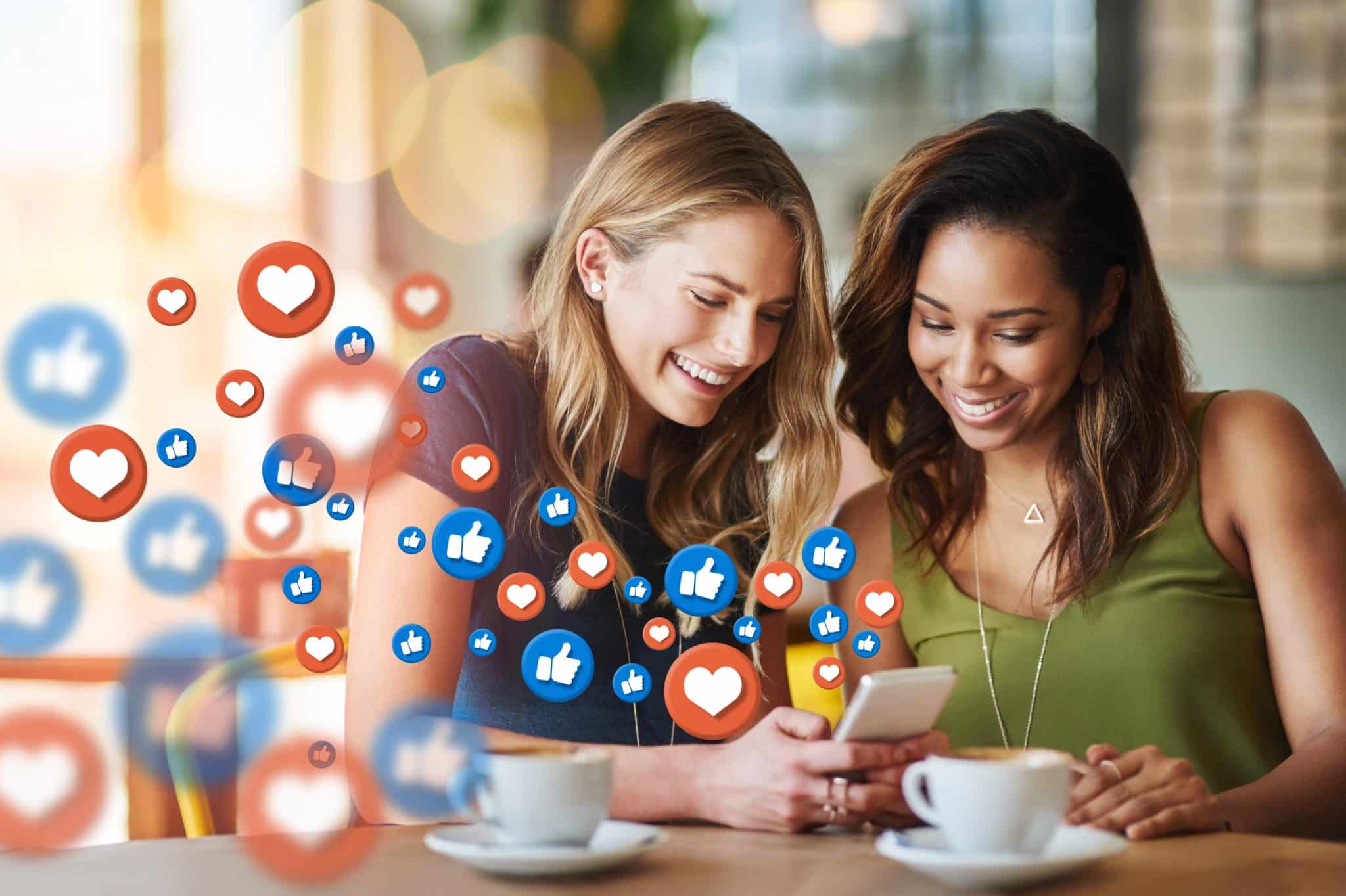
Instead of making new content, messaging apps are all about making communication better during the holidays. Users can use holiday-themed emoji sets, GIF libraries, and sticker packs to talk about how they feel about the holidays in their everyday conversations.
The plan knows that people won’t change how they act, but they will use new ways to say what they want if they are easy to use and helpful.
When financial service platforms try to make serious products feel festive without losing trust, they run into problems that are unique to them.
The best implementations focus on holiday budgeting tools, gift tracking features, and year-end financial summaries that are presented in a positive way.
They don’t make people overly happy about managing their money; instead, they help users deal with holiday-specific money problems while using tasteful seasonal design elements.
The Gaming Sector’s Holiday Edge
Interactive entertainment platforms are great for getting people involved during the holidays because people already use them to have fun and escape.
Seasonal content fits in with these goals naturally, which makes it easier to use and more popular than platforms where holiday themes feel forced into utility-focused experiences.
Gaming environments work because they change how holiday content works, not just how it looks. Instead of just adding holiday graphics to old content, special seasonal game modes, rewards only available during the holidays, and events that only happen for a short time give players brand new experiences.
Instead of just changing the look of the game, users notice and appreciate when platforms add real seasonal content.
The social casino sector exemplifies effective holiday implementation through mechanical variety and thematic depth. Christmas themed games at HelloMillions understand that festive appeal comes from combining recognizable holiday aesthetics with game mechanics that feel appropriately seasonal.
Special holiday-themed slot machines, festive bonus rounds, and seasonal jackpot structures give users novel gameplay experiences they associate specifically with holiday periods, creating annual traditions around returning to enjoy these limited-time offerings.
Strategies for Timing That Work Best
You should focus on people who look for seasonal content before the holidays because they are valuable user groups. They are actively looking for fun things to do during the holidays, which makes them more likely to respond to early campaign launches.
Platforms that put holiday content online two to three weeks before big events get people excited and help the content get more views.
Strategies for peak times are not the same as those for launch. People are busy with family, parties, and other fun things to do during the holidays that are competing for their attention.
People are more likely to use platforms that show off their best seasonal features before peak days than those that wait until the holiday itself, when people have less time.
After the holidays, there are unexpected chances for long-term campaigns. A lot of people feel let down after the holidays and want to keep the holiday spirit going, even though mainstream culture has moved on.
Platforms that extend seasonal content a week past its usual end date and use “last chance” messaging to get people to act quickly before it goes away are able to reach this missed group.
Mobile vs. Desktop Experiences
The way people celebrate the holidays is greatly affected by the context of the device. People often have shorter, more frequent phone sessions when they are with their families or traveling and have free time.
For holiday features to work well on mobile, they need assets that load quickly, easy ways for users to interact, and rewards that happen right away.
People usually spend more time and attention on desktop experiences, which lets you do more complicated holiday things.
More powerful processors and bigger screens are better for more complex seasonal features, more detailed holiday settings, and better visual effects.
Instead of making the same implementation work on all devices, platforms should make different holiday experiences for each device.
Push notifications are very useful during the holidays when people don’t check their phones as much. Alerts that come at the right time about seasonal content, features that are only available for a short time, or holiday-specific opportunities can bring users back to platforms they might not have used during busy holiday times.
You need to change the messages carefully so that they don’t seem like they are getting in the way of your personal time.
Turning Holiday Users Into Long-Term Assets
Acquisition costs for users gained during holiday campaigns are usually lower than during regular times because people have more time to explore the platform and there is less competition from work.
However, retention rates often go down because holiday users came for seasonal content instead of core offerings.
To get them to convert, you need to think strategically about how to onboard them and show them the value of your product.
There needs to be careful planning for the switch from holiday features to regular platform experiences. Instead of sudden removals that annoy users who want to see seasonal content, it’s better to phase them out slowly.
Changing one holiday element each week while adding new evergreen features keeps things fresh without shocking users who thought holiday content would always be available.
Instead of going in completely new directions, post-holiday engagement campaigns aimed at seasonal users should focus on continuity.
Instead of ignoring the seasonal connection, it’s better to say something like, “You liked our holiday features; here’s what we offer all year.” Recognizing what drew them in at first and showing them ongoing value helps build bridges to regular engagement patterns.
When platforms keep track of what worked, what didn’t, and why, the lessons learned from holiday campaigns build on each other over the years.
Building up your organization’s knowledge about seasonal strategies helps you avoid making the same mistakes over and over and find winning formulas that you can improve.
The platforms that do the best during the holidays see seasonal campaigns as ongoing practices instead of one-time-only events.
