

When we think about home safety, most of us picture locked doors, smoke alarms, and maybe even security cameras. But there is another threat that operates quietly and invisibly—gas leaks.
Whether it’s natural gas escaping from a stove, LPG seeping from a cylinder, or carbon monoxide produced by a faulty heater, these hazards often build up unnoticed until they become dangerous.
According to the U.S. Consumer Product Safety Commission, carbon monoxide poisoning is responsible for hundreds of deaths and thousands of hospital visits each year.
Many households underestimate how easily these leaks can happen. Natural gas is mostly odorless, carbon monoxide is impossible to detect without sensors, and small leaks can persist for days or weeks before anyone realizes something is wrong.
As modern homes become more automated and energy-dependent, the need for smarter safety systems grows stronger.
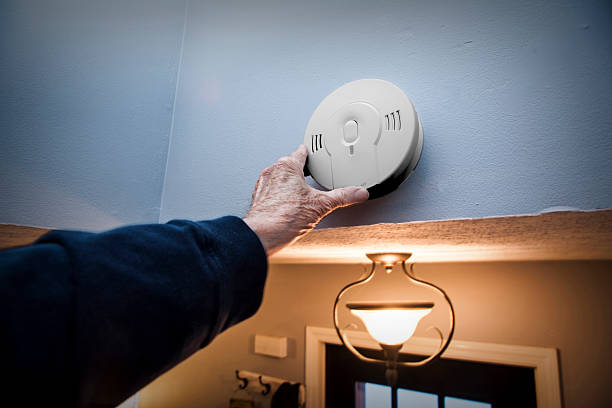
Why Gas Leaks Are So Dangerous?
Gas leaks are both common and deceptively difficult to detect. Even when odorants are added to natural gas, the smell can be faint or masked by cooking, ventilation, or other household odors.
Carbon monoxide, often referred to as the silent killer, accumulates without any warning signs and remains one of the leading causes of accidental poisoning in homes.
A typical morning—multiple appliances running, family members moving around—can easily mask the early signs of a leak.
What begins as a minor release can evolve into a fire hazard, explosion risk, or toxic environment. Traditional detectors offer some protection but were not designed for today’s connected, always-on lifestyles.
How AI-Enabled WiFi Gas Leak Detectors Work?
Modern smart gas detectors upgrade home protection by combining three core technologies:
- AI-powered sensing algorithms capable of distinguishing dangerous leaks from harmless household odors.
- High-precision gas sensors that continuously sample air quality.
- WiFi connectivity that delivers real-time alerts to mobile devices, enabling immediate action even when the homeowner is away.
Instead of relying solely on an audible alarm, these devices form part of a broader safety network. If a leak occurs, the system can trigger a local alarm, send a smartphone notification, and in some cases integrate with smart home equipment to activate ventilation or shut off gas valves.
This proactive approach significantly reduces response time, especially in situations where no one is at home to hear a traditional alarm.
Types of Gases Smart Detectors Can Identify
Different homes face different risks depending on the appliances and energy sources they use. Smart WiFi gas leak detectors can be configured to detect:
- Methane (CH₄) and natural gas from pipelines and burners
- LPG (propane or butane) commonly used with cylinders
- Carbon monoxide (CO) from heaters, boilers, and poor ventilation
- Carbon dioxide (CO₂) as an indicator of indoor air quality issues or confined-space buildup
Understanding which gases are relevant to your home environment ensures that the chosen detector provides meaningful protection.
Strategic Placement and Smart Home Integration
As homes adopt more connected technologies, safety devices are evolving into integrated components of a smart home ecosystem. Smart gas alarms can:
- Connect to mobile apps for remote monitoring
- Integrate with platforms such as Tuya or other IoT systems
- Trigger ventilation fans when gas levels rise
- Notify family members or neighbors automatically
Placement also plays a critical role. Proper installation near stoves, heaters, boilers, or storage areas ensures early detection while reducing false alarms.
With strategic positioning, a smart detector becomes an always-alert system that operates quietly in the background.
Imagine this: A slow leak starts from your water heater while you’re on vacation. Your smart detector senses the abnormal pattern, sends an alert to your phone, and simultaneously triggers the smart vent fan to help disperse the gas.
You’re able to call a neighbor to check immediately, turning a potential disaster into a minor, controlled incident.
Why Smart Gas Alarms Offer Advantages Over Traditional Detectors?
Traditional gas detectors have helped safeguard homes for many years, but their capabilities are limited. They usually rely on a single audible alarm, activate only when gas levels cross a fixed threshold, and cannot detect slow leaks that build up over time.
They also lack remote monitoring and provide no information about recurring issues or appliance performance.
Smart gas alarms address these limitations by adding intelligence, connectivity, and real-time insights. The differences are clear:
| Feature | Traditional Gas Detector | AI-Enabled WiFi Gas Detector |
| Alerts when you’re not home | ✘ No | ✔ Yes, mobile notifications |
| Detection accuracy | Threshold-based | AI-enhanced pattern recognition |
| Slow-leak detection | Often missed | Early, continuous monitoring |
| Connectivity | None | App-based remote monitoring |
| Smart home integration | Not supported | Compatible with automations |
| Data insights | None | Shows leak history and trends |
These upgrades make smart detectors far more reliable for modern households. Whether you have young children, elderly family members, or a schedule that keeps you out of the house, the ability to receive instant alerts and monitor your home from anywhere provides a level of protection traditional detectors simply cannot match.
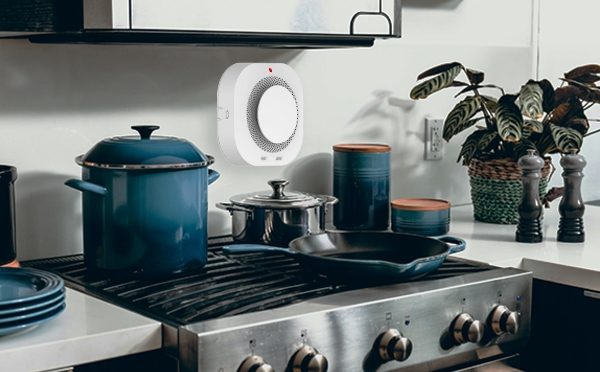
How AI Algorithms Enhance Leak Detection?
AI does not replace sensors—it enhances them. By analyzing small fluctuations in gas concentration over time, AI models can detect trends that indicate early leaks long before they reach dangerous levels. This reduces false positives from harmless sources and improves responsiveness to real threats.
Key benefits of AI-assisted detection include:
- Identifying abnormal rise patterns instead of relying solely on absolute thresholds
- Filtering out everyday odors and non-hazardous environmental changes
- Improving sensitivity without triggering unnecessary alarms
This makes AI-enabled devices particularly effective in kitchens, multi-appliance homes, and industrial or storage areas where environmental conditions vary.
Power and Connectivity: Wired vs. Battery-Powered Options
Power sources play a big role in how a smart gas detector fits into your home. They determine where you can install the device, how consistently it operates, and how much upkeep it requires. Most modern detectors fall into two simple categories:
Wired Detectors (with backup battery)
Wired models stay powered as long as your home’s electricity is running, offering consistent, always-on protection. Because they are usually mounted in fixed positions—such as on ceilings or near major appliances—they’re well-suited for permanent home installations and long-term reliability.
The trade-off is installation: wiring may need to be added during renovation, or handled by a professional.
Battery-Powered (Wireless) Detectors
Wireless detectors provide much more flexibility. They can be placed wherever monitoring is needed. This makes them ideal for renters, finished homes, or as supplemental monitoring in higher-risk spots.
They do require periodic battery replacement or recharging, avoiding unexpected downtime.
Which One Fits Your Home?
If you want a set-and-forget solution and have the option to wire devices into your home, a wired model offers the strongest long-term reliability.
If you prefer easy installation, portability, or the ability to adjust placement over time, a wireless detector may be the better choice.
What to Look for When Choosing a Smart Gas Alarm?
Choosing the right detector comes down to two things: covering your specific risks, and seamlessly fitting into your life.
Start by identifying the primary gas threats in your home (refer to the “Types of Gases” section), then ensure the device has the connectivity you need. Important features include:
- Multi-gas detection capabilities (CH₄, LPG, CO, CO₂ depending on home needs)
- Real-time mobile notifications through a secure WiFi connection
- High-sensitivity sensors calibrated for household environments
- Compatibility with smart home ecosystems or automation systems
- Clear installation guidelines(wall or ceiling mounting) and dependable technical support
- Certifications such as CE or UL if applicable
A well-designed device provides not only detection but confidence that it will respond accurately when it matters.
Conclusion
A smart gas alarm is no longer just an optional gadget. It represents a modern, AI-enhanced approach to protecting homes from silent hazards that traditional detectors often miss.
With continuous monitoring, intelligent leak recognition, and real-time notifications, these systems provide a level of safety that aligns with the connected lifestyles of today’s households.
Investing in an AI-enabled WiFi gas detector for home strengthens your home’s defense against unseen risks and creates a safer environment for the people who matter most.
It is a small, proactive step that transforms an invisible threat into a managed risk, preventing severe consequences and ensuring the long-term peace of mind that comes from knowing your home is truly watching over your family.
