

The world of outdoor sports moves fast. Change creeps in through small tweaks and sudden leaps. Mistakes, half-successes, and stubborn attempts all mix together to push the field forward.
People keep chasing new ways to move, test limits, and see how far a human body can go before it gives out. The drive isn’t clean or easy. It’s full of errors and restarts, but that’s what keeps it alive.
Changing How We Prepare
Technology has really reshaped training. What once took guesswork now runs on constant feedback. Sensors, smartwatches, and tracking apps break performance into data points. Athletes see what used to be invisible—heart rhythms, oxygen levels, recovery speed.
It’s precise, though never perfect. A skipped rest day, a misread number, a dead battery—tiny errors that throw plans off. But each mistake teaches something new.
The control feels real, and the access wider. What used to belong to elite professionals now sits on every hiker’s wrist or runner’s arm. Progress doesn’t always look dramatic; sometimes it’s just quiet consistency backed by data.
The Shift in Gear
The gear itself changed more than most people realize. Older tools were heavy, rigid, unforgiving. Steel frames, thick leather, stiff soles—they worked, but fought the body. New materials feel different. Carbon, composites, recycled plastics—they flex and hold under pressure.
Still, problems happen. A tent leaks in sudden rain. A new boot sole cracks on frozen rock. Those flaws are part of progress. Each failure shapes the next version.
What used to be custom or professional-grade now fills shelves for weekend hikers. It’s messy evolution, built on trial, error, and better questions.
A Quiet Revolution on Two Wheels
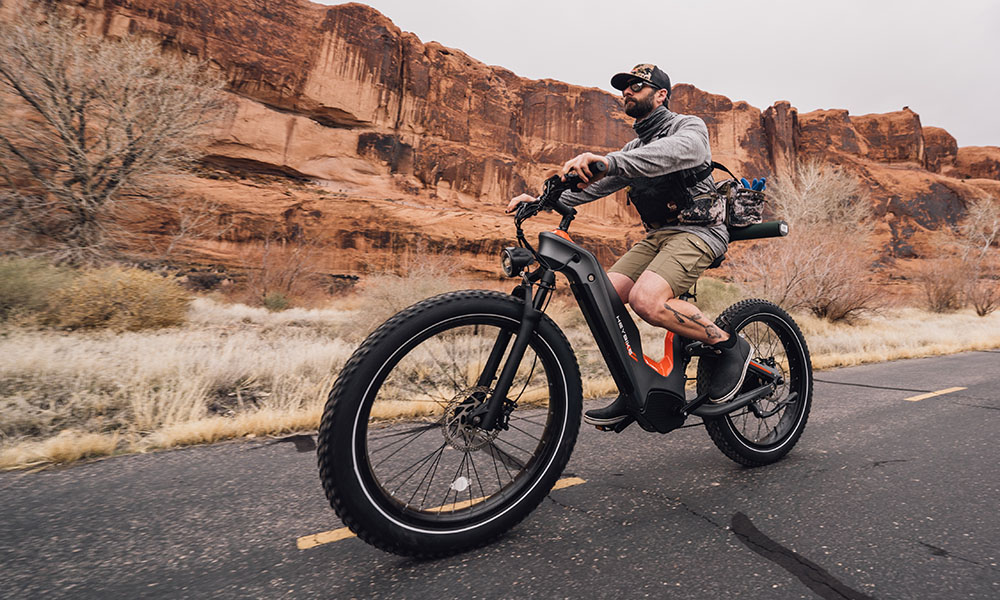
A single invention shows how far things have come—the ebike. For decades, cycling demanded endurance most people didn’t have. Hills, wind, exhaustion—they turned many away. The electric motor changed that. It didn’t erase the struggle; it shifted it. The ride became longer, more forgiving, more open.
People once sidelined by age or injury ride again. Trails that took a day to climb now fall within reach before sunset.
The hum of the motor feels out of place at first, but then it fades into rhythm. It’s freedom made practical. It’s not perfect—batteries die, motors stall—but it’s real progress. It extends how far the human body can go with a little help, without taking away the spirit that drives it.
Balancing Risk and Safety
Some say outdoor sports got safer, though it’s not that simple. Helmets absorb shock, GPS trackers call help, and layered fabrics resist weather that used to end trips early. Still, none of it removes real risk. Signals die in valleys. Batteries freeze. A single wrong step still breaks a leg.
But the chance of survival grows. That fragile balance—safer but never safe—keeps the edge alive. Innovation hasn’t removed danger; it just made it more manageable. The thrill depends on that uncertainty. If everything worked perfectly, the point would vanish.
Opening Access
Innovation also made outdoor sports less exclusive. Once, these pursuits took money, time, and inside knowledge. Now, smart gear and affordable tech lower those walls. A student can track pace like a marathoner. A factory worker can plan a weekend summit using satellite maps.
Crowds fill trails once reserved for the obsessed few. There’s noise and clutter, but also energy. More people move through nature, finding their own small reasons.
The old silence of the wild still exists, just harder to find. That trade feels fair. Progress always takes something while giving something else.
When Digital Meets Dirt
The boundary between outdoor space and screen space keeps blurring. Virtual maps trace trails in 3D. Augmented overlays mark cliffs and routes. Drones scout terrain before a single step lands. Yet, even with this precision, people still get lost. Devices fail. Maps mislead.
Every new solution brings new ways to mess up. It’s human nature to overtrust tools. Still, those same errors shape new fixes.
Innovation grows from the problems it creates. A wrong turn becomes an update. A lost signal becomes a stronger antenna. Progress feeds on its own flaws.
The Birth of New Sports
Many of today’s sports began as accidents. Trail running came from hikers rushing downhill too fast. Kiteboarding started as windsurfing gone sideways. Every hybrid began with misuse or stubborn curiosity. Gear built for one thing gets pushed until it becomes another.
That messy process never stops. The line between sport and experiment blurs. Some attempts fail. Others stick. The result is a constantly shifting web of activities born from simple trial and error. That’s the real spirit of innovation—chaotic, sometimes dumb, but always alive.
Connection in Motion
Innovation also reshaped how people share these experiences. Climbers compare routes online. Cyclists post data for strangers. Leaderboards turn quiet trails into invisible races. It’s not pure anymore, maybe, but it’s real connection.
Even fake stats and small cheats can’t erase the bond of effort. Everyone wants to move better, go farther, feel stronger. Sometimes it’s clumsy, sometimes obsessive. Still, this shared motion builds community out of solitude. A digital thread ties the scattered together.
The Price of Progress
There’s an uncomfortable truth under all this. Innovation costs the wild itself. Factories make the same tools that explore untouched land. Flights burn fuel to reach remote peaks. That contradiction hangs heavy. But slow change comes.
Recycled fabrics, renewable manufacturing, smaller footprints—they’re not perfect, but they’re trying. The effort counts, even when it feels halfhearted.
Every cleaner material, every smaller package, every local production run adds up. The next stage of innovation might focus less on performance and more on restraint.
The Body Still Decides
For all the tech and upgrades, the body remains the final limit. Muscles cramp, skin splits, lungs burn. A smartwatch won’t stop frostbite. Innovation guides, but it doesn’t carry. The pain and fatigue remind us this isn’t virtual.
The tools may predict performance, but they can’t remove doubt. That’s what keeps it meaningful. Failure stays part of the game. A trip ruined by weather teaches more than a perfect run tracked by sensors.
The Hidden Work Behind Progress
Behind every polished product sits a mess of broken prototypes. Gear that failed in testing, fabrics that tore in wind tunnels, circuits that froze mid-descent. These quiet failures shape what the world later calls “innovation.” The process looks clean only from the outside.
Inside, it’s trial stacked on trial. Those small, painful lessons make the final design seem inevitable. But nothing about it is smooth. Progress hides behind the illusion of perfection, when in truth it’s built on scraped hands and late fixes.
