

Breakdowns can cause disruptions in work. Most machines start sending small signs long before something major happens. In a busy plant, nobody has the time to stand next to each asset and figure out the small sign that shows up early.
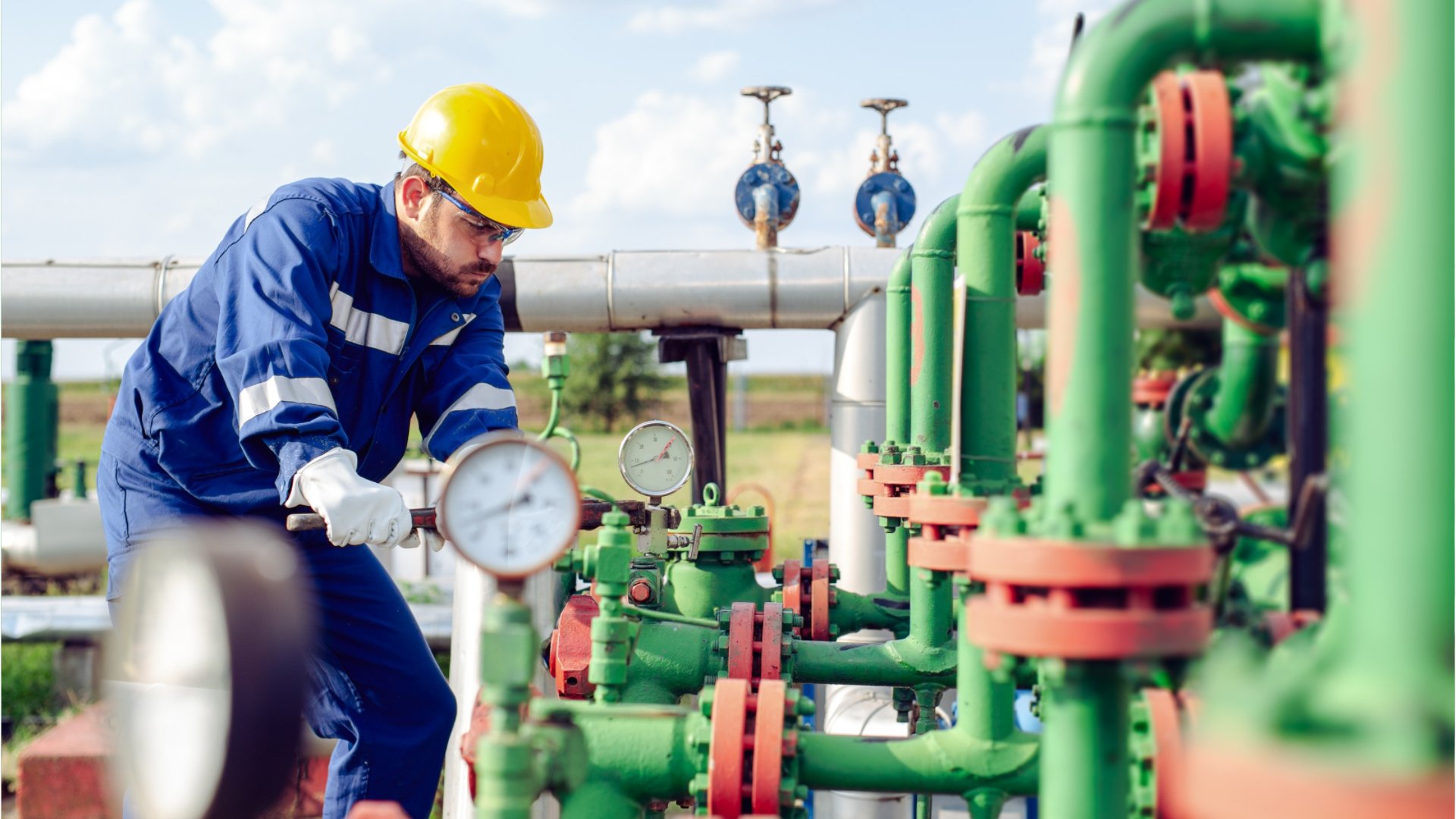
Shifts move fast, people change stations, and small notes get lost. This is exactly why maintenance teams are turning to technology. Not because it’s “modern,” but because it’s practical.
Maintenance software for manufacturing plants provides a way to identify small problems that often go unnoticed within daily operations, allowing teams to address issues while they’re still manageable and cost-effective. When issues are caught early, breakdowns don’t just reduce; they almost completely flatten out.
1. The Real Problem Behind Unexpected Failures
If you ask maintenance managers why failures happen, most of them won’t talk about big, dramatic events. They will discuss the slow-building issues, the small problems that go unnoticed until they escalate.
Plants often rely on a mix of paper logs, scattered spreadsheets, verbal updates, and last-minute reminders, and these systems work only until the workload gets heavy.
A missed entry, an inspection done in a hurry, or a faulty reading that wasn’t logged properly; all of these create blind spots that eventually lead to downtime. And because plants operate at such a fast pace, these gaps usually aren’t found until a machine is already failing.
In other words, breakdowns are not caused by a lack of effort; they’re caused by a lack of visibility across assets. Technology becomes the missing layer that fills those gaps before they turn into shutdowns.
2. Sensors Catch Subtle Warning Signs Long Before People Do
One of the biggest shifts in modern plants is the use of sensors to continuously monitor equipment. Sensors don’t get tired, don’t miss details, and don’t wait for problems to become obvious.
They detect small changes that people can’t reliably notice on their own. Vibration sensors identify early imbalances in motors and pumps. Temperature sensors detect heat changes associated with friction or lubrication issues.
Oil analysis tools pick up tiny metal particles that appear before a component is at risk. These signals may seem small, but in the data, they are strong early indicators that a failure is starting to develop.
3. Real-Time Dashboards Give Teams a Single Source of Truth
Once the data starts flowing, the next challenge is making sure everyone sees it clearly. Real-time dashboards address this by providing plants with a unified view of equipment condition.
Instead of technicians, supervisors, and operators relying on their own version of the truth, they can all see which assets are stable, which ones are trending toward a problem, and which ones require immediate attention.
These dashboards aren’t meant to be complicated; they work better when they’re simple enough for any team member to glance at and understand quickly.
When every shift walks in already knowing the day’s priorities, plants avoid delays, confusion, and repeated checks. It allows action at the right time instead of responding late and creating widespread disruption.
4. Predictive Maintenance Turns Patterns Into Practical Warnings
After a few months of consistent data collection, predictive analytics begin to do the heavy lifting. These tools look for patterns in machine behavior, identifying small changes that might not matter individually but become significant when they repeat.
A compressor that vibrates slightly more every week. A motor that pulls a little extra current at unpredictable times.
When a pump consistently overheats after a set number of operating hours, predictive maintenance tools recognize the pattern and notify teams before a significant failure develops.
Instead of reacting to problems as they appear, maintenance teams receive a quiet heads-up early to schedule repairs, order parts, and plan downtime during non-critical hours.
Plants that adopt predictive maintenance almost always see a major drop in failures within the first year because they stop waiting for machines to “break” before doing something about them.

5. Automated Work Orders Remove the Risk of Human Forgetting
Even with the best sensors and dashboards, issues still get missed when reporting depends on manual handoffs. Automated work orders solve this by creating maintenance tasks as soon as something crosses a threshold. If a vibration reading jumps beyond the safe range, a work order appears instantly.
If a temperature spike repeats twice, the system creates a task with the exact timestamp and reading. Nothing waits for someone to write it down later.
This ensures that every alert becomes an action, not just a mental note. Since each work order includes the machine’s history, previous fixes, and recommended steps, technicians can proceed directly to the repair.
Conclusion
Technology does not replace maintenance teams; it provides them with the information they need early enough to act before problems escalate into breakdowns.
Sensors capture the smallest signs, dashboards keep teams aligned, predictive analytics identify patterns, and automated workflows ensure nothing gets missed.
Together, these tools shift plants from constant firefighting to controlled, predictable maintenance. When early detection becomes routine, breakdowns stop feeling “sudden” and start becoming rare.
