

Comfortable office buildings are a marvel of modern life. You walk into any new office building today and feel how it’s comfortable. Temperature is regulated throughout, there’s little to no air movement (drafts) causing discomfort, and air feels fresh and clean.
Yet behind the scenes, there are interconnected systems mediating your comfort and safety simultaneously should something go awry. And oftentimes, these goals don’t play nicely.
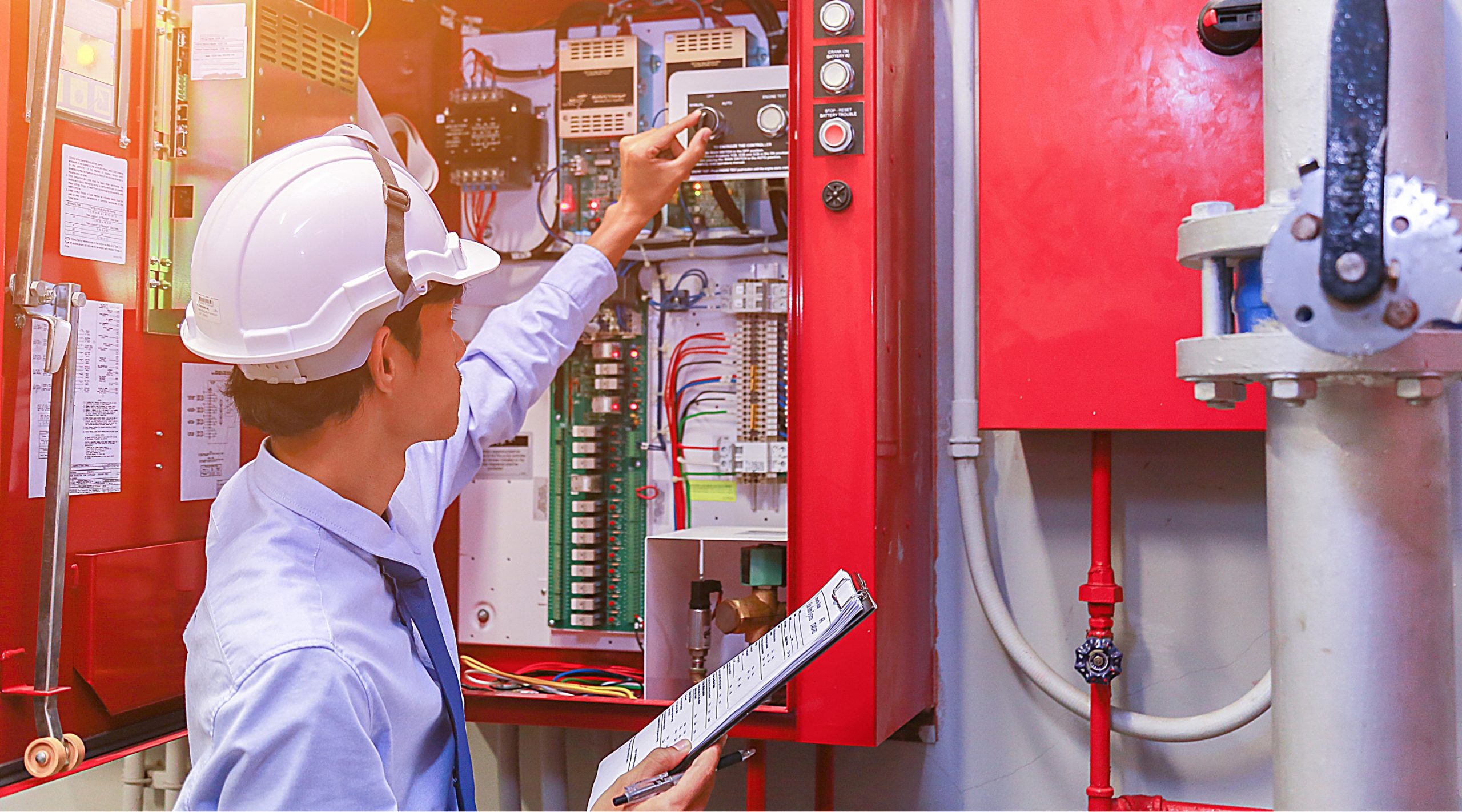
How Systems Intended for Comfort Compromise Safety?
Most office buildings have HVAC systems as a means of heating and cooling that recirculate air in order to stabilize temperatures and avoid using too much energy by heating or cooling entire spaces all at once. This makes complete sense in day-to-day application.
However, in the case of a fire, these recirculated systems create channels for smoke and exhaust, pushing smoke into spaces where people are either trying to escape or shelter-in-place.
This problem is compounded by buildings with sealed windows (no operable windows for even emergency ventilation) and building-wide, centralized climate control.
The ability to even crack a window is removed, meaning the only method of moving air is through mechanical systems dependent on their operation as designed. In the event of a fire, this is unreliable at best.
Architects and building designers are aware of these accommodations and try to spec systems that allow for both comfort on Tuesday and life-prolonging measures on Wednesday in the event of an unforeseen emergency. Reality rarely correlates with such ideal situations, however.
The Ventilation Challenge
Natural ventilation was not an issue for well-ventilated historic buildings – operable windows meant smoke could travel outside in case of a fire. But modern office buildings have turned away from this option due to energy inefficiency (occupants have less control over their immediate atmosphere) so a more controlled approach is taken instead.
For example, smoke vents are intended dedicated systems to expel smoke and heat during a fire independent of the comfort ventilation running throughout the day. The best installations are those that can work in tandem with existing HVAC but do not depend upon them running when they’re most critical to save lives.
This becomes complicated in buildings where all ceiling space is already compromised – dedicated systems for heating/cooling ductwork, sprinkler systems (water piping), electrical runs, lighting – all need ceiling space that’s been maximized. The dedicated system must occur from day one; change orders are often infeasible after the fact.
When Energy Efficiency Becomes a Problem?
With energy codes becoming stricter, it’s a good thing – buildings waste less energy, lower operating costs mean decreased environmental footprints and reduced spending on energy like electric and gas; yet more airtight building conditions better contain negative attributes like smoke.
High-performance buildings often feature:
- Triple-pane windows that do not open;
- Building vestibules to reduce air exchanges from the outside;
- Superior sealing at every potential joint;
- Specialized HVAC that adjusts airflow on demand based on occupancy.
All these measures are great – until people need to get smoke out fast. A building that’s been constructed to prevent any air from escaping does not easily lend itself to becoming ventilated just because an emergency arises.
The Question of HVAC Shutdown
Most regulation dictates that HVAC systems should shut down upon detection of smoke. This prevents smoke from traveling up and down ductwork to other floors/units/zones; however, this presents immediate issues.
In a sealed building, if you shut down the HVAC, you’ve eliminated the major means of moving any air. If your fire safety plan counts on mechanical means to vent smoke, you need systems that work independently from comfort HVAC – not as spin-off channels.
Buildings attempt to run “smoke control mode” using their existing HVAC where fans spin one way on a certain level and in another way on another level and they all work together creating pressure differentials to push smoke toward specific egress points.
This can be effective but relies on many variables; if one damper does not open up or one fan does not appropriately turn off at the right time, the whole operation fails.
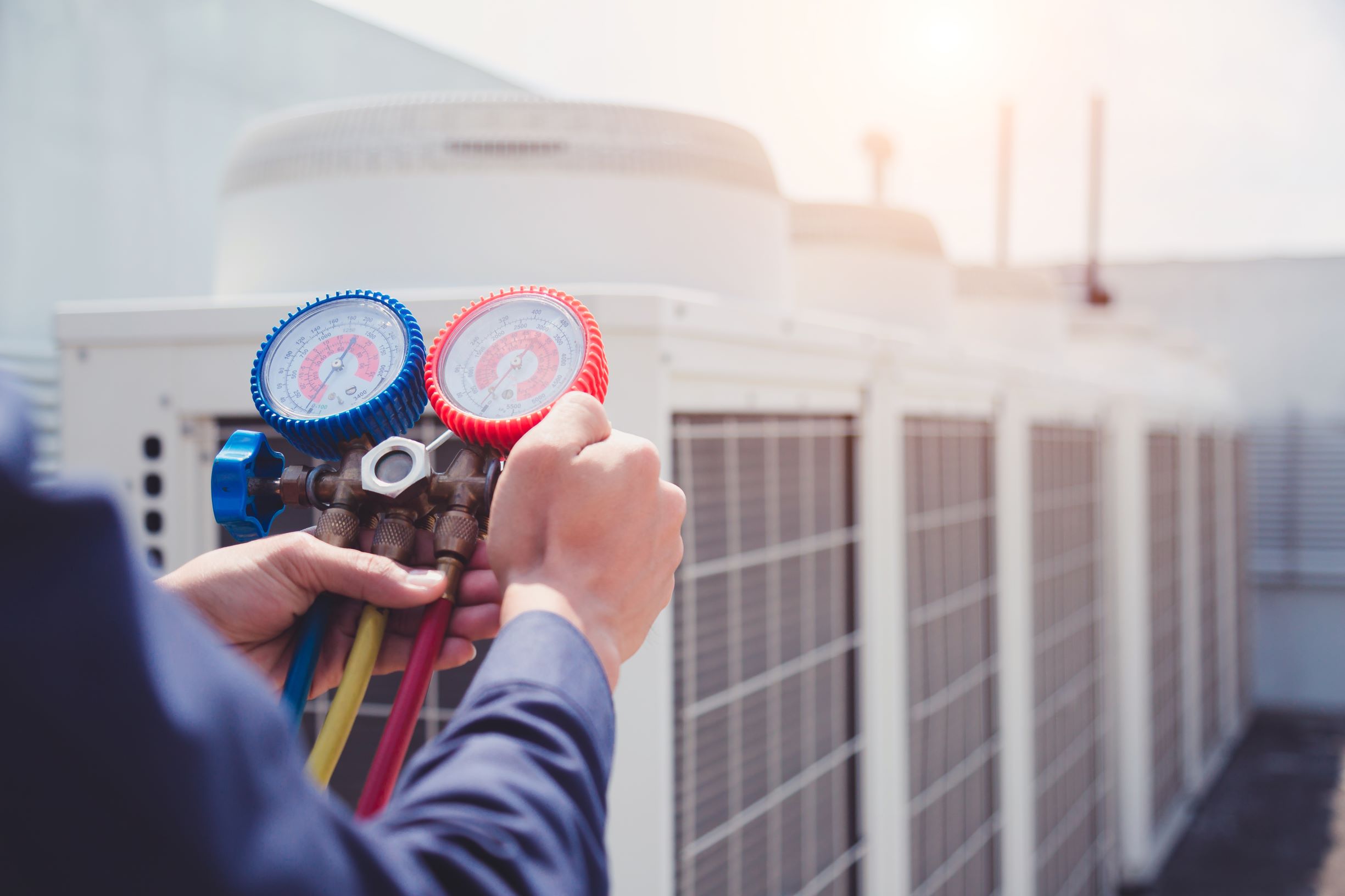
What Works For Life?
The buildings that successfully manage this balance generally have firefighters with a few things in common: Fire safety ventilation is separated from the beginning rather than retrofit into comfort HVAC; they test the system smoke control under real-world conditions annually (non-original inspections where people just need to verify fans can turn on).
The other thing that works is redundancy; for example, if everything depends upon one set of mechanical ejection units working as designed, you’re putting yourself in peril relative to having multiple means for smoke to exit such as mechanical AND natural systems that function independently over various parts of the building instead of all in one area.
The Human Element Not Discussed
Ultimately, systems work best when people understand them. Building operators need to know which systems serve which purposes; maintenance teams need to be aware of why certain ducts/grilles cannot be blocked or reused for other purposes; tenants need to understand why they cannot prop doors open or disengage fans that seem excessively noisy.
Often this is where systems fail. Someone thinks a roof-mounted smoke vent is an ideal place to mount HVAC piping.
Someone blocks a grille because it’s making paper flutter on their desk. Decisions made on this micro-level in the moment sacrifice larger safety considerations made by skilled professionals who know better.
Finding Compromise
The buildings that get this right are not necessarily more expensive or newer than their counterparts; they’re simply the ones where someone evaluated competing needs early enough and designed accordingly so no one had to pretend that compromising in either system wasn’t necessary.
This means succumbing to some compromise now and again: more energy because the system maintains smoke control, though it serves no practical purpose toward comfort on most days; chosen designs that would otherwise have been acceptable but now are limited based on ventilation pathways; and larger mechanical rooms than would otherwise be necessary.
These are not compromises – they’re admissions that keeping people safe costs more sometimes or takes more space than code minimum requirements dictate. The best owners and designers understand this going in rather than finding out on their first failed serious inspection or worse, a real emergency.
The balance between comfort and safety in office buildings is not a once-off matter; systems age over time, regulations change, use of buildings changes – from occupants to furniture access arrangements.
What worked five years ago may no longer apply in five years, so buildings that stay comfortable and safe are those that people are paying continuous attention to relative to both goals.
