
Why The Best SEO Tools For Websites Deserve a New Kind of Introduction?
Curiosity pushed this topic to the front long before we planned to write about it, and that curiosity set the tone for everything that follows.
Once we started treating SEO not as a checklist but as a pattern waiting to be understood, the role of tools changed completely.
That shift shaped the way we approach this guide, and it is the reason this introduction begins with a different rhythm than most pieces you may have read on the subject.

We want to set a foundation that feels clear, purposeful, and grounded in real use, not marketing language. That is why the phrase best SEO tools for websites sits at the center of this opening section.
From this point on, we lean into first-person plural because this is the way we actually think through SEO decisions together.
Instead of sorting through endless lists or repeating familiar claims, we step back and study how tools influence the choices we make. Some tools reveal hidden problems, others highlight opportunities, and a few reshape our entire strategy.
But all of them carry weight only when we understand how to use them, what to look for, and where they fit into larger goals. That belief is what makes this guide different.
In this introduction, we want to show what you can expect from the full article. You will see how we evaluate tools not by popularity but by the clarity they provide.
You will see how our process moves from technical checks to keyword research to content insights, with each section explaining why certain features matter and what you should focus on first.
You will also get a sense of the practical steps we use to test tools before trusting them, because tools without a process often lead to confusion rather than improvement.
This guide is built for readers who want something more than another predictable breakdown. You will get structure, clarity, and a way to make tool choices with confidence.
By starting with curiosity and sharpening it into a direction, we prepare you for a complete walkthrough that supports real ranking growth. And as you move into the main sections, you will see how this starting point shapes every insight that follows.
How To Choose Tools That Fit Your Current SEO Stage?
Before you add tools, you need to know your stage. If your Site is new, your needs are basic. You want keyword discovery, simple audits, and content planning.
If your Site already has hundreds of pages, you need deeper crawling, backlink insights, and speed checks. Start by naming your stage so you avoid buying tools that do too much or too little.
Think about time. You should choose tools you can use daily without frustration. Look for clean layouts that guide you toward tasks, not dashboards filled with confusing graphs. You want suggestions that feel realistic. Tools should offer fixes you can act on quickly.
Check how the tool handles data. Does it update often? Can you export what you need? Can you share insights with your team?
These questions matter more than extra features you will never touch—test tools with small tasks like running a crawl or checking on two sample keywords. See if the results feel clear.
- Match the tool to your current stage.
- Pick clean layouts you can read fast.
- Test with small tasks first.
- Ask if the tool supports your daily habits.
What Keyword Tools Should Reveal About Search Behavior?
Keyword tools should not only show volume and difficulty. They should show how people think when they search. You want tools that group keywords by intent.
If someone searches for how to fix a slow Site, that is different from someone searching for a speed test. Tools that highlight this difference help you write focused pages.
Look for tools that show related questions and long tail patterns. These help you target specific needs that competitors ignore.
You want tools that update data often so you do not chase outdated trends. Use filters for difficulty and relevance to narrow the list to keywords that fit your strengths.
Look deeper. Tools should show who ranks for your keywords. You want to know how strong these pages are. If the top results have weak backlinks and thin content, you can compete. If they have strong authority, you can plan long-term.
- Look for intent-based suggestions.
- Check related questions and long tail trends.
- Compare your Site to the top pages.
- Use updated keyword data.
Why Technical Tools Keep Your Site Healthy?
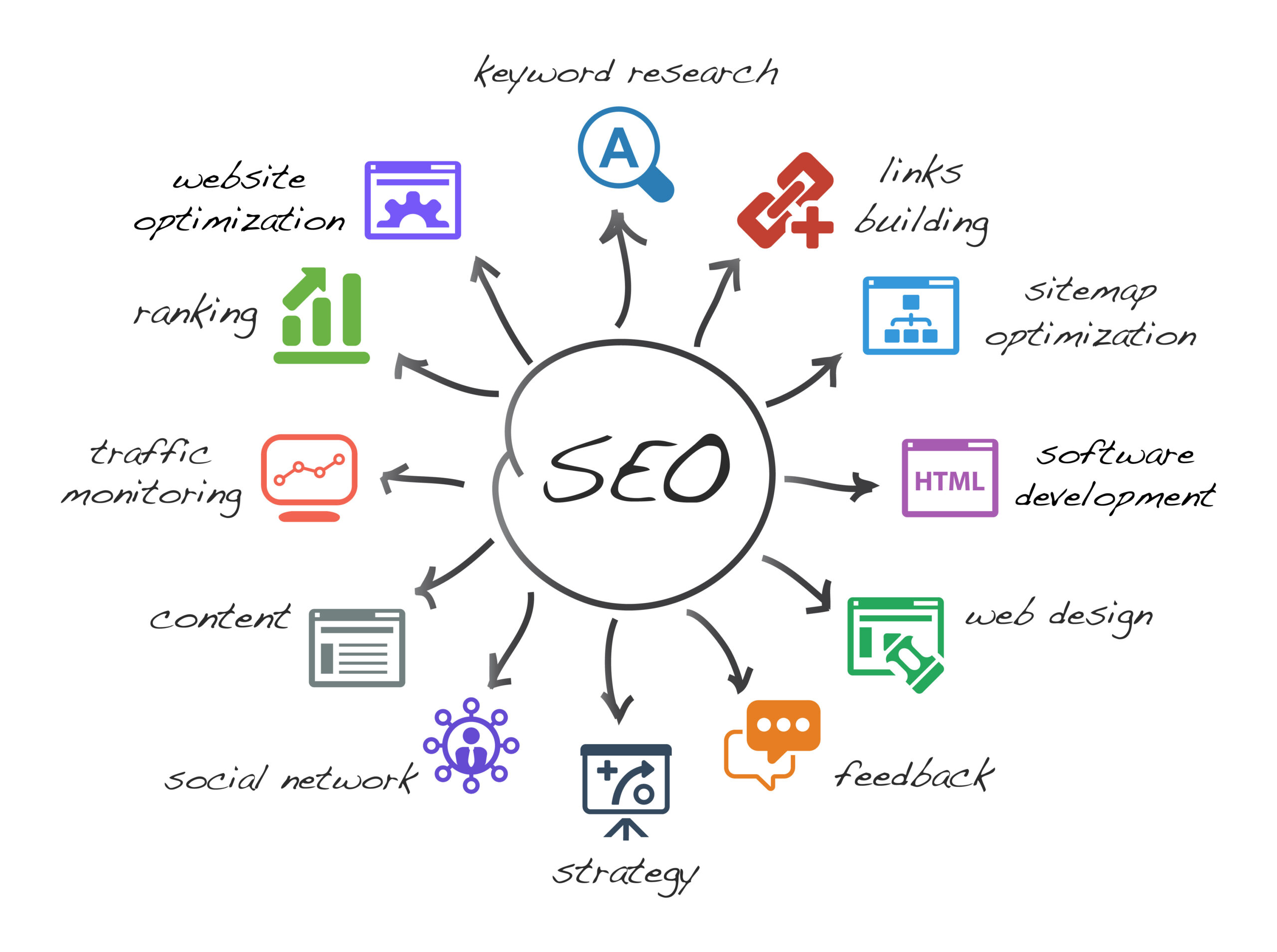
Technical tools show what search engines struggle to read. You want tools that scan your entire Site and point out errors like broken links, missing tags, slow pages, and structural problems. These tools help you understand how your Site performs under pressure.
Run full crawls weekly to track changes. Use the tool to check page speed. Slow pages lose visitors quickly. Tools should list the most significant issues in order of impact so you can fix what matters first. Check mobile performance because most visitors use phones. If your layout breaks on smaller screens, rankings suffer.
Structured data is another key feature. Use tools that test the schema and flag mistakes. Rich results depend on correct markup. Choose tools that explain issues in simple words so you can act fast.
- Run crawls weekly.
- Focus on page speed and mobile issues.
- Validate structured data.
- Fix high-impact problems first.
How Content Optimization Tools Improve Readability And Relevance?
Content tools help you write pages that connect more clearly with readers and search engines. Look for tools that review headings, structure, and topic coverage.
You want suggestions that nudge you toward clearer writing. Tools should not force awkward phrasing. They should help you match what people expect to see when they click your page.
Use content tools to check readability. Keep sentences simple. Avoid complex terms unless needed. These tools should show missing subtopics that other ranking pages cover. Use this insight to fill gaps and strengthen your content.
Tools that compare your content to top pages are invaluable. They show what others do well and where you can improve. This gives you a roadmap for updates rather than guesswork.
- Improve readability and structure.
- Match content to search intent.
- Use tools to identify missing subtopics.
- Compare content to top-ranking pages.
What Backlink Tools Tell You About Trust?
Backlinks show search engines whether your Site deserves authority. Backlink tools reveal which sites link to you, which links you lost, and which links competitors use to stay ahead. Look for tools that explain link quality. Not every link is helpful.
Backlink tools should track anchor text patterns. You want variety, not repetition. Tools should show harmful links so you can disavow them. You need tools that list opportunities for outreach. Competitor analysis helps you find websites that may link to your content.
Track link changes weekly. Sudden drops may signal problems. Use backlink tools to guide your outreach strategy and strengthen your best pages.
- Track new and lost links.
- Study competitor links for ideas.
- Watch anchor text diversity.
- Remove harmful links when needed.
How To Test SEO Tools Without Creating Chaos?
Testing tools should be calm and controlled. Start with one tool and one small project. Run a crawl and fix five issues. Track results.
Do pages load faster? Do rankings move? Use tools to test new titles or descriptions. Compare the click-through rate before and after.
Keep notes on time saved and clarity gained. If a tool confuses you, it may not fit. Use a clean testing window. Avoid heavy tests during algorithm updates. Run experiments for several weeks to see fundamental changes.
- Test one tool at a time.
- Track performance changes.
- Avoid tests during updates.
- Keep detailed notes.
How To Build a Sustainable SEO Workflow with Tools?
The goal is not to use every tool. The goal is to build a simple, repeating workflow. Start with weekly crawls, content updates, and keyword tracking. Use your tools to guide actions. You want a routine you can follow without stress.
Each month, review progress. Check which keywords moved. See which pages improved. Review backlinks for new opportunities. Use these insights to plan your next steps.
Keep your stack small enough to manage. If a tool sits unused for weeks, you may not need it. Refresh your process and remove clutter. A straightforward workflow leads to steady growth.
- Build weekly habits.
- Review data monthly.
- Keep your tool set small.
- Remove tools you do not use.
Final Thoughts and How We Support Your Next Move
We wrote this guide to help you pick SEO tools with confidence and clarity. You now have a structure for choosing tools, testing them, and building a rhythm that leads to real growth. The strongest SEO strategies come from steady actions supported by clear insights.
Sonary focuses on helping teams choose tools that match their goals, not their confusion. We care because clear choices save time and lead to real improvement.
If you want help building a focused SEO tool plan, we can walk you through a 30-day setup and help you test your tools with simple steps. Ready to improve your search performance with the right tools and a clear roadmap? Contact us today, and we will guide you through your next move.
