

Dogs may tremble for several reasons, and this sight can cause worry. A cause may come from excitement, fear, or a physical response to something nearby. Clear knowledge of what sets off this behavior, plus steady care, can help your pet feel safe and relaxed.
Understand Why Your Dog Shakes
Many pet owners ask, ‘’Why is my dog shaking?’’, when they see their dog tremble for no clear reason. The question reflects concern for both the pet’s comfort and health. Trembling may happen during storms, after loud noises, or when a dog feels anxious.
Physical causes such as pain, low energy, or illness can also lead to tremor behavior. Close study of the moment and context of the action helps reveal the cause. A clear sense of whether the source is emotional or physical makes comfort methods far more effective.
Stay Calm And Create A Safe Environment
A calm setting helps your dog feel less anxious. Simple adjustments in the surroundings can ease tension and reduce shaking.
- Calm demeanor: Keep your voice gentle and movements slow to prevent added stress.
- Quiet space: Move your dog to an area away from noise and heavy activity.
- Soft lighting: Dim lights to promote relaxation and reduce sensory stress.
- Comfortable bedding: Offer a soft blanket or bed that feels familiar.
- Consistent routine: Keep mealtimes and rest hours steady to create stability.
Offer Gentle Physical Comfort
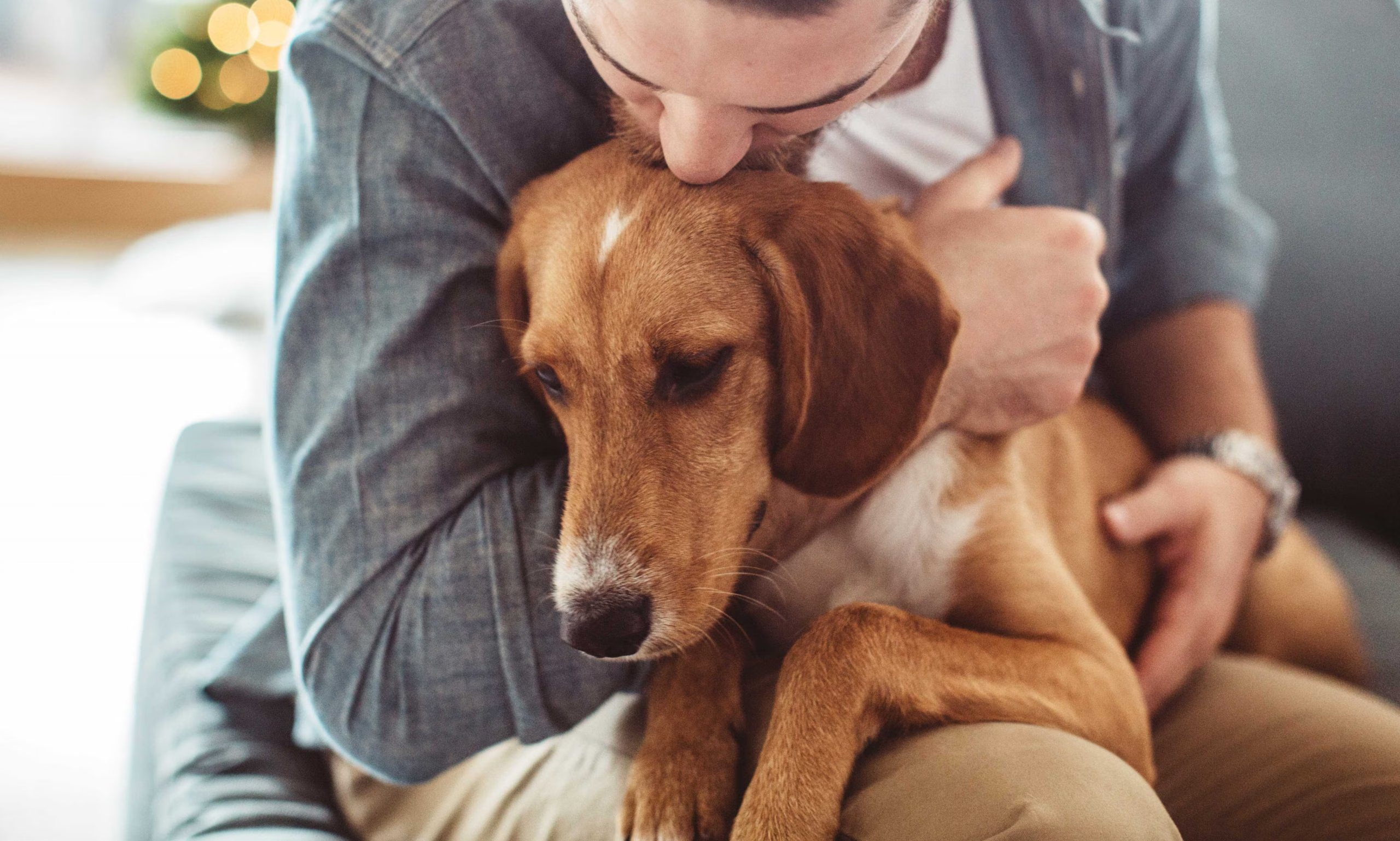
Physical contact can ease distress when approached carefully. Light petting and calm touches provide warmth and reassurance.
Avoid tight embraces or sudden gestures that might increase tension. Allow your dog to decide how close they wish to be.
Gentle strokes on the back or neck can slow their breathing and promote comfort. A composed presence reassures your pet that they are safe.
Identify And Remove Triggers
Every dog has triggers that cause unease. Recognizing these helps prevent future shaking episodes. Close windows during storms or loud events to reduce startling sounds.
Lower blinds and create a quiet zone if external noise causes distress. Managing triggers gives your dog a sense of control and safety.

Use Distraction And Positive Reinforcement
Redirecting attention helps your dog focus on positive actions instead of fear. Encouragement through praise and rewards strengthens calm behavior.
- Favorite toy: Offer a toy that keeps attention away from distressing sounds.
- Simple commands: Ask for easy cues like “sit” or “down” to guide focus.
- Verbal praise: Speak softly when your dog stays calm.
- Small treat: Reward relaxed behavior to reinforce calm responses.
- Predictable routine: Repeat this approach to strengthen confidence and trust.
Consider CBD for Relaxation Support
Some owners consider natural options to support calmness, and CBD might help in certain situations. It may assist dogs that appear uneasy or sensitive to environmental changes. Before use, it is important to consult a veterinarian for advice on suitability and dosage.
CBD may be available in oils, treats, or supplements designed for pets. Quality and concentration can differ between products, so professional guidance ensures responsible use. A careful approach helps promote relaxation while maintaining your dog’s safety.
Comforting a dog that begins shaking requires patience, observation, and consistent care. Each pet has unique reasons for reacting this way, so understanding their signals is essential.
A calm presence, gentle reassurance, and awareness of triggers can help pet owners who often ask ‘’Why is my dog shaking?’’. With steady guidance and affection, your dog can feel safe, secure, and comforted in every situation.
