

Managing cryptocurrencies safely starts with one essential task: opening a secure wallet. For many users exploring digital-first services, figuring out how wallets work and how to guard private keys is quickly becoming a standard life skill.
This guide explains the fundamentals in clear terms, walking you through how to choose a wallet, set it up right, and stick to practical security habits.
Why Secure Wallets Matter in Today’s Digital Environment?
A crypto wallet controls access to your digital assets by managing private keys. Think of these keys as the mathematical proof that grants you ownership. If someone else gets their hands on them, they get full control of everything in that wallet.
This makes choosing and setting up a wallet more than just a technical preference; it is a core security measure for anyone active in the digital economy.
As more online platforms use cryptocurrencies for fast, transparent transactions, you will likely encounter wallet setups during your first experiences with blockchain tools.
In some cases, people dive into key management after using a gambling site that handles transfers on-chain. Even though the context might change, the principles are the same for any tech-driven service that relies on secure digital transfers.
Whether you are testing a new app, experimenting with blockchain utilities, or exploring digital asset tools, a secure wallet remains the foundation of safe participation.
How to Set Up a Secure Wallet?
Setting up a wallet begins with picking a format that fits how you actually plan to use it. Software, hardware, browser-based, and mobile wallets all serve different purposes.
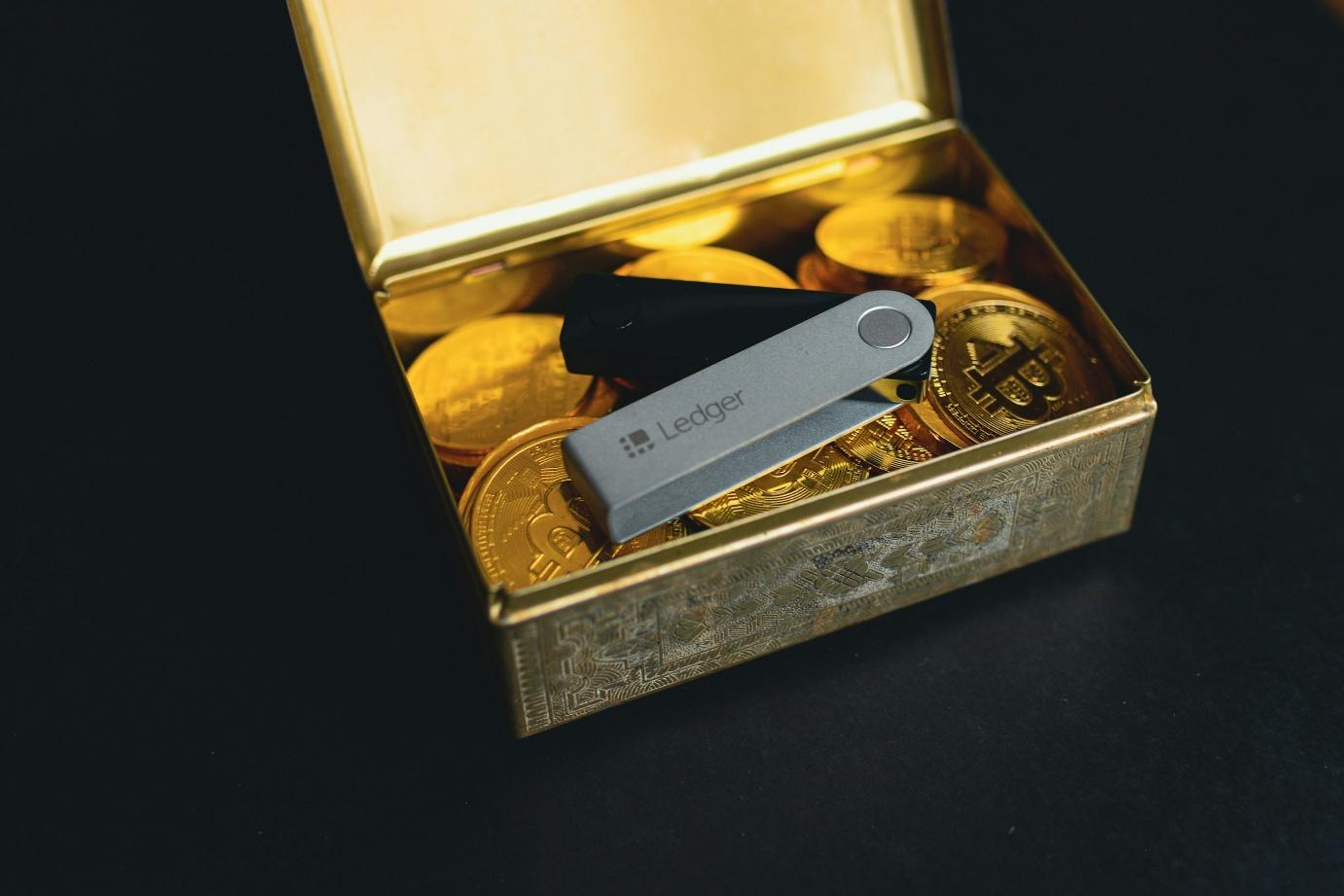
While software and browser extensions offer convenience for frequent transactions, hardware wallets store your keys offline and reduce exposure to common threats.
The setup process usually includes generating a seed phrase. This is a list of words that can restore your wallet if your device is ever lost or broken.
This phrase must be stored securely and offline. Avoid saving it in cloud folders, email accounts, or digital documents. A compromised seed phrase gives complete control to anyone who finds it.
Hardware wallets follow a dedicated offline setup flow, requiring you to write down the phrase and confirm each word manually. This ensures that key generation never happens on an internet-connected device.
Before downloading any wallet tool, double-check the official source. Fake apps are still a common way scammers target cryptocurrency users. Always verify that the software comes from the correct website or a trusted app store.
Core Security Habits Every Wallet User Should Maintain
Opening a wallet is only the first step. Long-term protection depends on consistent practices that reduce your exposure:
Store the Seed Phrase Physically
Keep your backup phrase on paper or a durable offline medium. Digital copies just introduce unnecessary risk.
Keep Devices Secure
Use strong passcodes, avoid sharing devices with others, and enable biometric protections like face ID or fingerprint scanning where available.
Separate Storage Types
Use a hot wallet for routine interactions and a cold wallet for long-term storage. Treat this distribution much like dividing your everyday spending money from your long-term savings.
Verify Every Address Before Sending
Address-swapping malware can modify the contents of your clipboard. Always compare the pasted address with the intended one before hitting send.
Update Wallet Software
Developers release updates to improve reliability and patch vulnerabilities. Keeping your tools current is essential.
Use Safe Network Environments
Avoid sending transactions over public Wi-Fi at coffee shops or airports. Use secure, private connections whenever you are handling sensitive information.
These basic habits significantly strengthen your overall protection without adding unnecessary complexity.
Different Wallet Types and Their Practical Uses
Users can choose from several wallet formats depending on their activity:
Software Wallets
Installed on computers or phones, these are straightforward to use and convenient for daily access. Browser Extension Wallets
These are built for web-based tools and quick confirmations. They are a good fit if you find yourself interacting regularly with online digital services.
Hardware Wallets
Think of these as physical devices that keep your private keys completely off the network. They are generally the best bet for long-term storage or if you are holding onto larger balances.
Paper Wallets
You do not see these as often anymore, but they are still a viable option. Just remember that they demand strict physical care and really aren’t ideal if you plan on making frequent transactions.
Your choice often comes down to how frequently you interact with blockchain platforms. If you are exploring decentralized apps or using interactive online systems, a browser extension probably makes the most sense.
On the other hand, if you are tucking assets away for the long haul, you will likely want the added protection of a hardware device.
