

For many urbanites, square footage is of the essence when living in a smaller space. As such, rooftops are becoming the new frontier of private sanctuaries, entertainment and gardens.
Yet, it’s not enough to create a defined space as much as it is to get to that space, maintain the structure for regular accessibility, and ensure safety for all who enter.
It’s not just about furniture and landscaping; it’s about integrating access and stability for regular human interaction. For many homes, the biggest obstacle is access – and finding a safe and reliable solution.
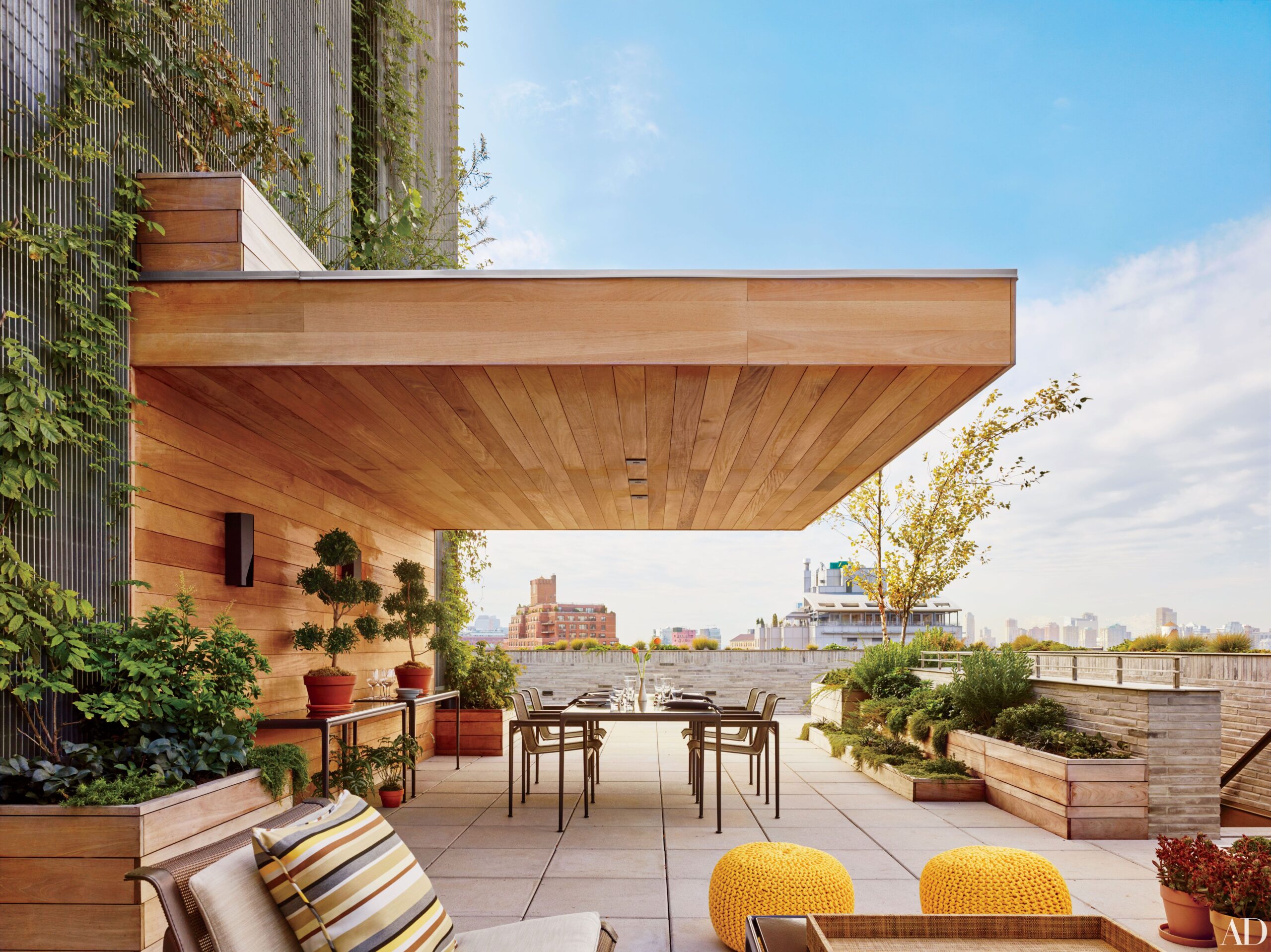
Access – the Unsung Hero Making or Breaking Roof Spaces
Most residential rooftops aren’t geared for day-to-day human occupancy and use, which is where the first major complication arises. A simple roof hatch or pull down stair unit could work fine for maintenance crews every now and then, but it’s not a practical vehicle for regular interaction.
When was the last time you accessed your own roof? Chances are it’s when you had to, wrestling with a hatch or pull down stairs to squeeze your way in to survey bad weather damage – or without a second thought you climbed a ladder to bring up some new planter boxes.
But how frequently do you encounter those challenges and think to yourself that it’s worth it to use what’s up there if that means lugging everything back up again, too?
More projects fail to activate a roofed space than transform it into one that is used due to access issues. Modern solutions provide more reliable access systems – like a roof window electric unit that opens up with the touch of a button. With wide access and safety, it’s now practical to use the space – instead of viewing it as an inconvenient obstacle.
Furthermore, taking up minor square footage inside provides natural light for day-to-day living while serving as part of the ceiling for those upstairs, opening the entire window/electric roof window up completely for ease of entry.
Practical access steps on behalf of humans create more immediate importance for what’s allocated on top of the roof than into day-to-day living.
Imagine taking food and drinks up for a dinner party to celebrate Fourth of July fireworks. You need not worry about anything staying steady in your grasp while trudging up stairs or through narrow openings.
You don’t need to carry everything back down and think about bringing your furniture pieces back up after people part ways. It’s feasible, daily access instead of quarterly unnecessary endeavors based on improper access routes.
Structure – Is My Roof Even Safe to Live On?
Beyond the added weight and stress to a structure – who knows if your roof can even handle your ambitions? Most residential roofs can withstand snow loading or minimal travel by human occupants.
Still, if you’re anticipating decking, seating, planters, and more (not necessarily all at once), that’s quite a concentrated load that may overcome the original design’s parameters.
Get in touch with a structural engineer who will assess the roof’s bearing capacity. Recommending reinforcement by wood or steel studs might be recommended.
This is an important step that may feel expensive up front, but it’s far better than suffering from catastrophic consequences later.
For example, if your roof is pitched, it probably cannot withstand as much weight as if it were flat, putting even more pressure on the corners where stress occurs.
An old house may have materials that are frail and compromised; newer homes that boast modern materials may fare better.
Local building codes dictate what’s considered safe so either you’ll need reinforcement, or you won’t – it’s not opinionative.
Drains may also be on an angle; more functional living spaces stress the need for effective drainage from accumulated rainfall around figurative bases or at drainage spots from the roof itself.
Open membranes need protection from foot traffic or legs from furniture; while these aren’t attractive concerns, a little water here or there could create years of damage down below.
Practical Living for Extended Spaces
All rooftop spaces become successful when they feel like outdoor rooms and not awkward afterthoughts. As such, planning for comfort, privacy, and weather mitigation/stability from the get-go makes all the difference.
Wind is often worse on a roof – windbreaks or wind screens make all the difference between a practical space and one that’s rendered useless when there’s a slight breeze.
Creating intimate spaces helps with privacy from above – an extension of what’s below without feeling exposed in an urban jungle with neighboring buildings looking down on you like you’re in an aquarium. Plantings, trellises, architectural screens can all mitigate sectors within your outdoor space.
Similarly, you don’t need walls – but coverings can help with sun’s shade/sun blockage and rain mitigation. Retractable awnings help protect in certain weather scenarios as necessary – as does where you place any larger objects that could shield interests instead of putting you on display to those below who may not care if you’re having coffee while praying for shade versus rain protection while listening to music during a surprise storm.
You’ll also need storage; the huge downside about rooftops is that you can’t run back downstairs to get what you’ve forgotten.
Weatherproof outdoor boxes (made of natural materials to blend with natural settings below) or built-in benches with storage compartments become necessary so that outdoor furniture cushions can stay dry (or winterized), gardening tools can be kept safe (or in shed-like areas) or entertaining must-haves (napkins, silverware, etc.) can be within quick reach.
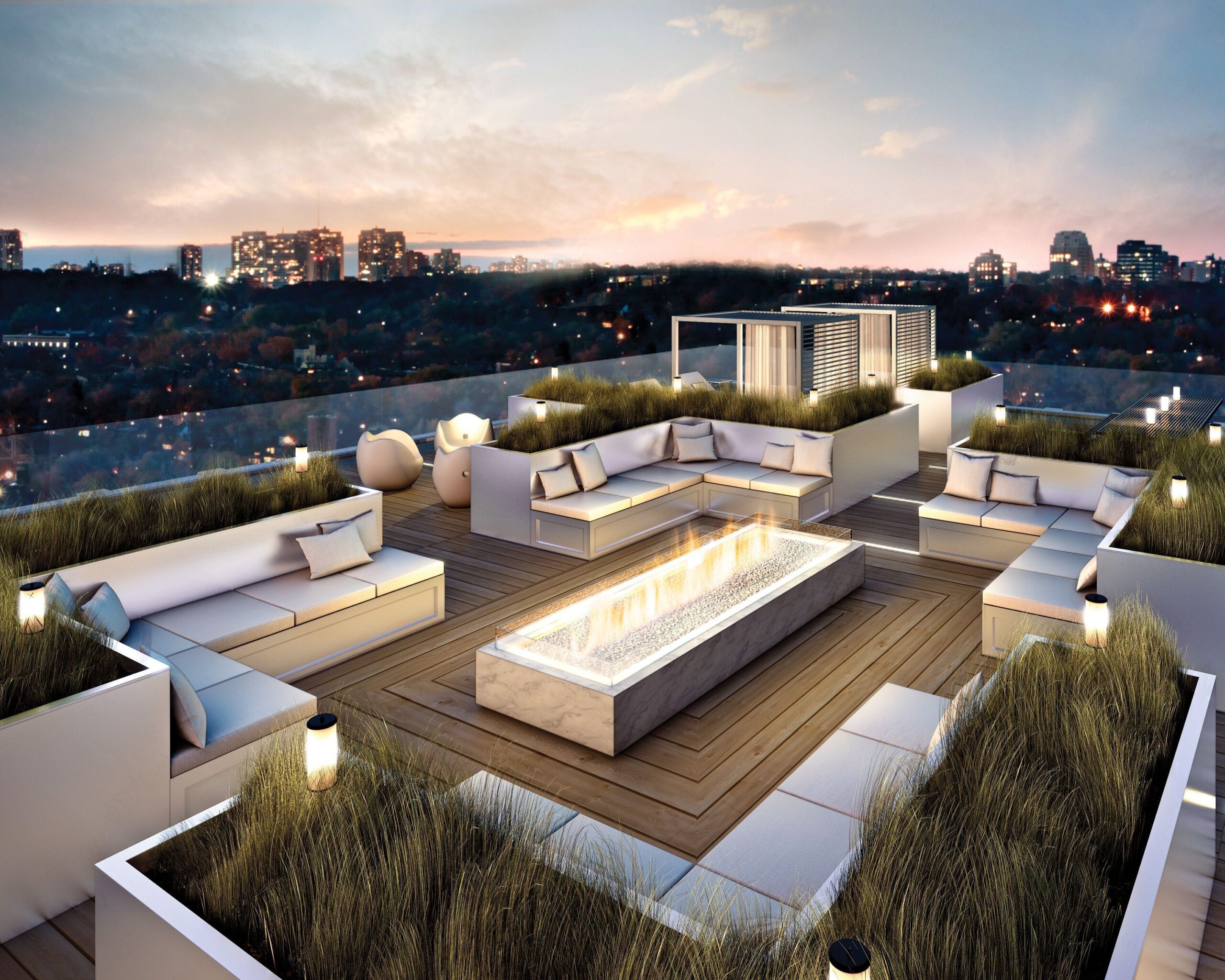
Safety Systems
Safety goes beyond energy systems – fall protection realities exist in addition to emergency egress entry/exit. Building codes note guard rails and parapets of no shorter than one foot three inches where occupants are likely to gather; this is not an optional suggestion but instead a legal protective measure for those occupying lives and liability should something occur.
Local building codes dictate what is acceptable for emergency exit/egress if your space is usable year-round due to ultimate access systems.
Where did you go when the main entry system failed due to fire? You’ll likely only find out once it’s too late unless you do the research now.
Lighting plans will also help keep the distinction between practical systems versus appeal – we all would love our rooftops to look like dream climates – but at what point do we sacrifice clarity?
Solar-powered efforts are less complex; low voltage ones require in-depth systems but can provide ultimate satisfaction without interference from manual switching solutions.
Fire safety comes into play through combustible materials needing distance from flammable options; emergency services bringing their material/equipment on board also needs clearance, depending on what jurisdiction suggests specific clearances/fire retarding materials.
Sustained Potential
Finally – long-term lives present ultimate satisfaction when transformed spaces evolve in planned fruition. Those elements that look good at first but require minimal maintenance become burdens that have little sustenance potential.
Weatherproof outdoor furniture stations; fabrics that are not an eye sore due to fading; composite decking styles that save money down below are all a must at first take. How used seasonal spaces will work – or won’t work – in the winter will require effectiveness through protected angles instead of costly mistakes twice seasonally over.
Plants are critical for potential gardens/up-top greenery; conditions are harsh and include wind/big temp fluctuations/too much sun vs yard-level plants have their own personal ecosystem. Native options will typically survive better than exotic ones requiring incessant labor.
Maintenance schedules exist for those who have egress spaces – check your drainage systems frequently; railings expected wear-and-tear; beyond sheltered thresholds exists effective plants for regularly-growing perennials with no roots from without being able to return outside.
Rooftop living offers one of the most exciting expansions of usable space outside your home – but unless you consider the practicalities first, you’ll waste potential with costs that worsen quality of life instead of down-the-line sudden catastrophes. Your rooftop could become a haven for comfort expansion either way!
