

For many homeowners, the question today isn’t whether solar technology is interesting—it’s whether it can finally end the frustration of spoiled food after outages, frozen online meetings due to dead routers, or the constant worry that the fridge or water pump will shut off without warning.
Frequent power cuts, rising electricity prices, and the growing desire for energy independence are pushing families to rethink how they power their homes.
This is why, in the future, choosing between a solar generator and a conventional inverter-and-battery system has become a practical, real-world decision rather than a purely technical one. Both solutions offer backup power, but they differ significantly in cost, capability, and long-term value.
This guide breaks down these differences to help homeowners choose the system that truly fits their lifestyle and energy needs.
What Is a Solar Generator?
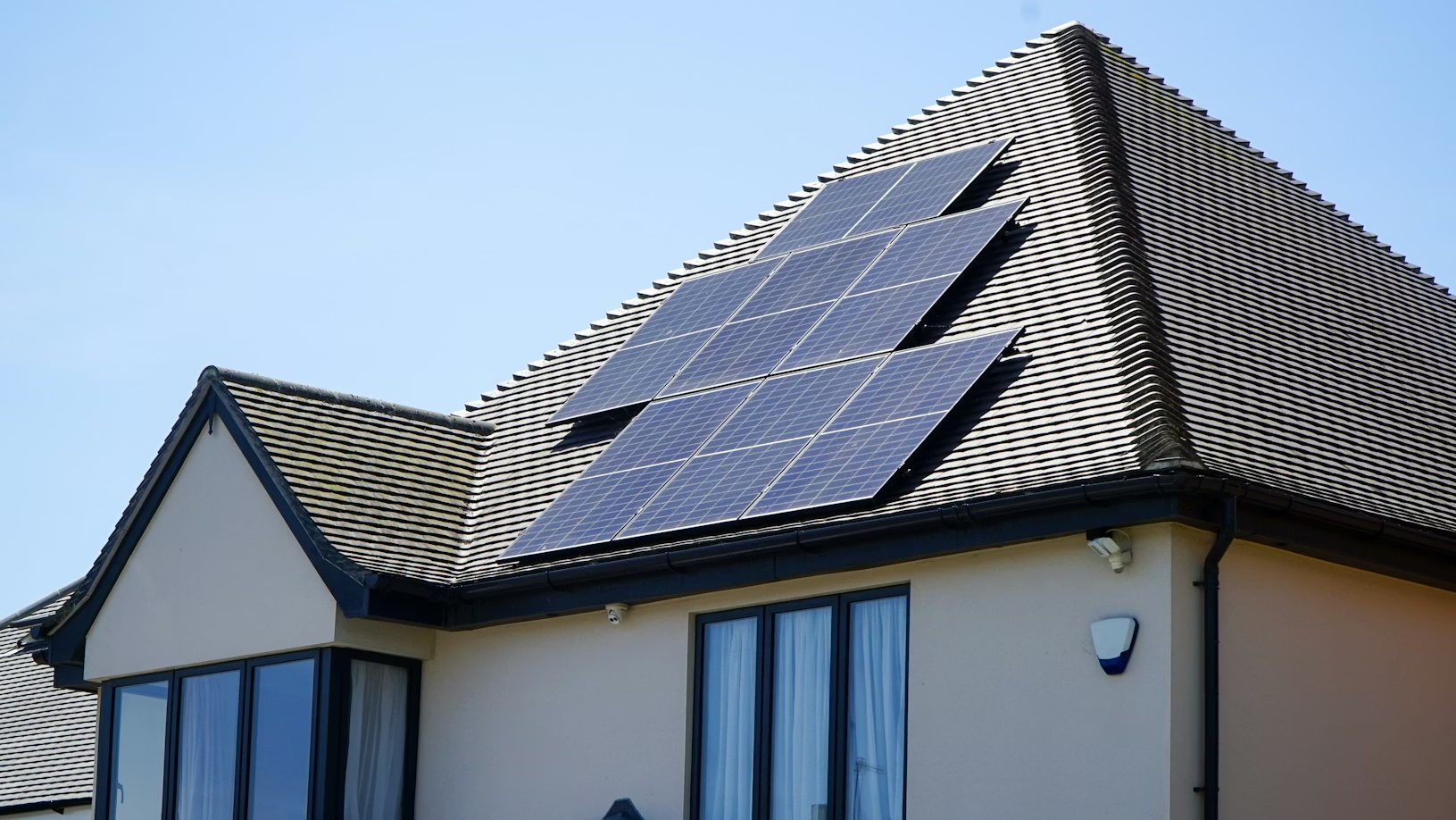
A solar generator—often seen on the market as a portable solar power station—is a compact, integrated system that combines solar panels, a charge controller, a built-in battery pack, and an inverter.
Unlike a traditional inverter setup, a solar generator is designed as a self-contained power solution: once you connect solar panels, it can both produce and store its own energy.
Because everything is packaged into a single unit, it’s essentially a plug-and-play power source. In a broader sense, the term can also refer to any system whose primary charging source is solar energy.
Why Homeowners Choose Solar Generators?
Although a solar installation requires a higher initial investment, the benefits go far beyond clean energy.
Key advantages include:
- Reduced electricity bills due to free solar power
- Quiet, emission-free operation
- Reliable backup during outages when batteries are charged
- Long-term sustainability with fewer recurring costs
However, solar generators also come with limitations, such as dependence on sunlight and the need for adequate roof or ground space for panels.
A solar generator is a better fit if you want predictable monthly expenses, long-term savings, and the ability to keep essentials running even during long outages.
It’s ideal for families that want stability rather than constantly monitoring battery levels or worrying about grid fluctuations.
What Is an Inverter System?
An inverter system—more accurately described in this context as an off-grid inverter–based power system—is fundamentally different. Instead of being a standalone device, it serves as the central hub of a larger home energy setup.
An off-grid inverter connects to a dedicated battery bank, a solar panel array, and an MPPT charge controller, and it may also integrate inputs from the grid or a fuel generator. This type of system isn’t something you simply “plug in and use”; it requires installation, wiring, and configuration.
While not as portable or self-contained as a solar generator, an off-grid solar inverter system offers far greater power capacity and scalability, making it suitable for whole-home backup or supporting high-demand appliances like refrigerators, air conditioners, and water pumps.
Why Homeowners Choose Inverter Systems
They are chosen primarily because they are:
- Affordable to install
- Simple to set up with minimal wiring
- Reliable for short or occasional outages
But since they rely on grid power to recharge, they offer no long-term savings and no environmental benefits. Batteries also require periodic replacement, adding to the total cost of ownership.
If you only experience short outages and need a low-cost solution that installs quickly with minimal changes to your home, a traditional inverter system remains the more practical choice.
Solar Generators vs. Inverter Systems: A Quick Comparison
| Feature | Solar Generator | Inverter System |
| Power Source | Sunlight | Grid electricity |
| Upfront Cost | Higher | Lower |
| Long-Term Cost | Lower | Higher |
| Energy Independence | Strong | Limited |
| Backup Duration | Longer (with enough batteries) | Shorter |
| Environmental Impact | Very low | Moderate |
| System Design & Expandability | Typically an all-in-one portable unit with limited expandability; additional solar capacity or battery storage is usually restricted by the built-in design. | A modular, fixed installation that allows flexible expansion of solar arrays, battery banks, and system capacity as household energy needs grow. |
Solar wins on long-term value and independence, while inverter systems win on affordability and simplicity.
Real-Life Usage Comparison (From a Homeowner’s Perspective)
| Feature | Solar Generator | Inverter System |
| During long outages | Can recharge via sunlight. | Stops when battery is drained. |
| Electricity bill | Can reduce with solar use. | No change. |
| Noise & fumes | Silent, no emissions. | Depends on grid or generator. |
| Maintenance | Low. | Moderate. |
| Remote areas | Works well with sunlight. | Requires grid or generator. |
| Upfront cost | Higher. | Lower. |
Matching Solutions to Real Home Use Cases
Different households require different energy strategies. The right choice depends mainly on outage frequency, sunlight availability, and long-term financial goals.
A Portable Solar Generator Is Ideal For:
- Camping, RV travel, outdoor use, or temporary work sites.
- Renters who need a movable, installation-free backup option.
- Powering essential small devices during short outages.
- Homes with occasional blackouts and light to moderate power needs.
An Off-grid Inverter System Is Ideal For:
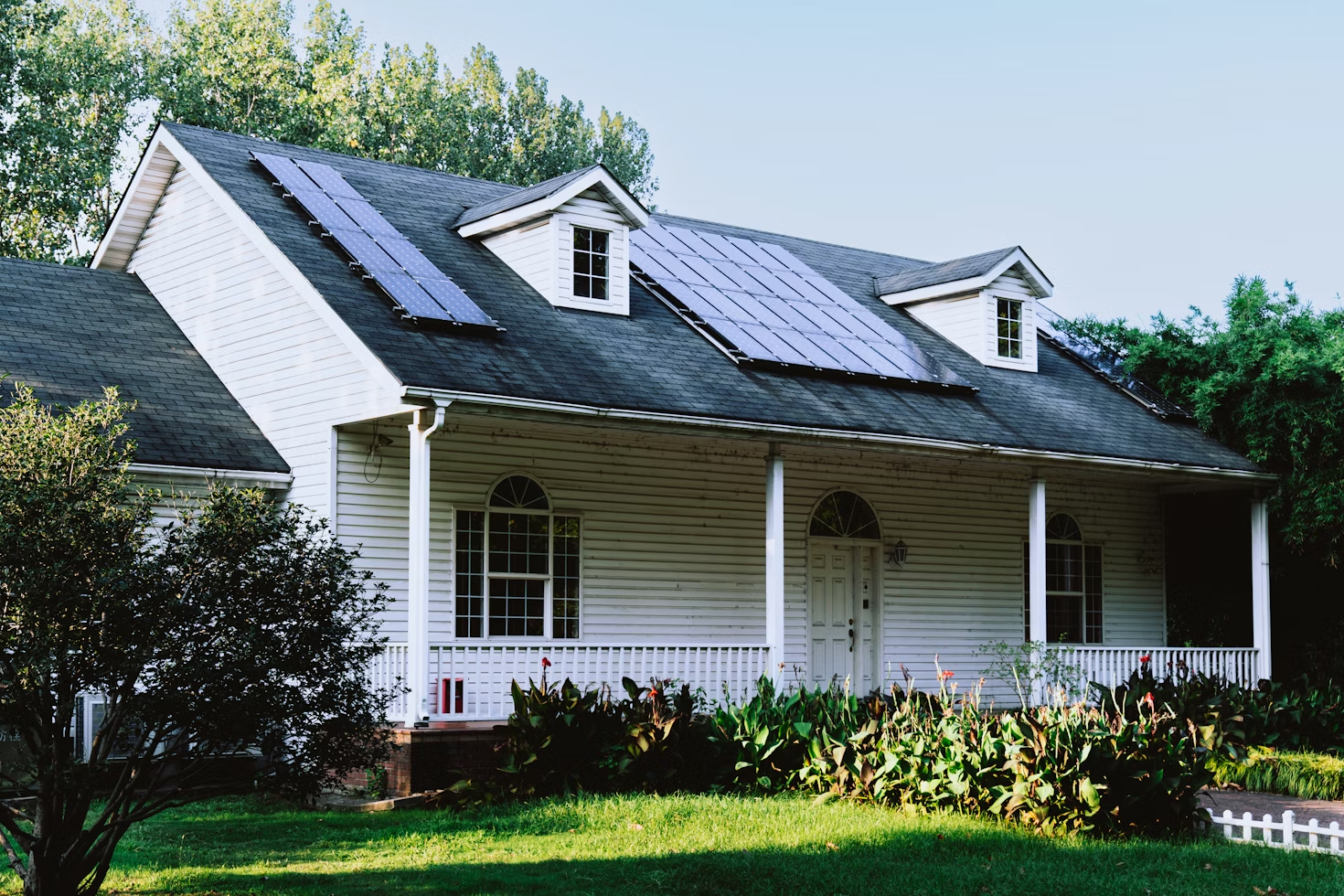
- Homeowners building a permanent whole-home or critical-circuit backup.
- Higher power loads such as refrigerators, pumps, AC units, and major appliances.
- Properties with roof or ground space for solar expansion.
- Users who want a system that can scale with more batteries or solar capacity over time.
Voltage and Power Expectations for Home Power Systems
Understanding typical power ranges helps homeowners choose systems appropriately sized for their needs.
| Application | Typical Voltage | Typical Power Range |
| Lighting, fans, routers | 12–24V | 20–80 W |
| Refrigerators | 24–48V | 80–200 W |
| Water pumps | 24–48V | 150–500 W |
| Home backup power | 48V | 500–2000 W |
These ranges provide a baseline to avoid oversizing (overspending) or undersizing (system failure during outages).
What Each System Requires to Operate?
A solar generator is mostly ready to use and may only require optional solar panels for recharging.
An inverter system, however, requires additional components:
- Battery bank
- Solar panels or another charging source
- Charge controller (MPPT)
- Wiring, breakers, and installation
Because of this, solar generators are more convenient, while inverter systems are more flexible and scalable.
What Buyers Should Consider Before Choosing?
Instead of diving into technical formulas, homeowners should focus on a few practical evaluation points:
- How long does backup power need to last?
- Which appliances must stay running during a blackout?
- How much sunlight does the property receive?
- Is there space for solar panels?
- What is the expected lifetime and replacement cost of the battery system?
- Do long-term savings matter more than upfront cost?
A solar generator becomes more valuable the longer the home intends to use it, while inverter systems remain economical short-term solutions.
Choosing the Right System
Before deciding which solution fits your household, it helps to consider how each product category aligns with your long-term energy needs.
A solar-plus-storage setup built around an efficient off-grid inverter system delivers the strongest performance for homeowners who want a permanent, scalable energy solution that can grow over time.
This type of system supports higher power demands, integrates seamlessly with rooftop solar, and offers the highest level of energy independence.
On the other hand, a portable solar generator is a better fit for users who need a simple, ready-to-use backup option without installation or complex wiring.
It provides reliable power for essential devices during outages and offers the flexibility to be moved, stored, or used in outdoor settings as needed.
And as solar-plus-battery technology has advanced and become more affordable in recent years, portable systems have also benefited, making them an increasingly appealing entry point for home backup power.
Understanding these differences makes it easier to identify which path aligns with your lifestyle—whether you prioritize long-term expandability or plug-and-play convenience.
Final Thoughts
At the end of the day, choosing between a solar generator and an inverter system comes down to how much control you want over your home’s energy.
If you prefer a one-time investment that delivers long-term independence, stable power, and lower energy costs, a solar-based setup is the smarter choice.
If your priority is simply affordable backup for short, occasional outages, a traditional inverter system can still meet your needs.
Now, more homeowners are leaning toward solar not because it’s trendy, but because it finally solves everyday frustrations—quietly, cleanly, and reliably.
For those planning ahead and looking for both long-term savings and greater energy security, solar generators increasingly stand out as the more forward-thinking solution.
