

The tech world is arguably in one of the most unpredictable periods since the dot-com boom. Artificial intelligence dominates the conversation, especially as many analysts expect either a bubble burst or an AI boom that causes massive unemployment. Twenty-seven companies, including Amazon, cut 30,000 jobs in the first 40 days of 2026.
Obviously, both scenarios have implications for the tech world. AI data centres are eating up valuable memory chips, creating what Bloomberg has described as a “crisis” that will affect availability well into 2026.
It’s a simple issue of demand outstripping supply, as interest in crypto-mining sent GPU prices soaring during the latter part of the 2010s. Of course, it’s not an easy problem to fix.
So, how will these seemingly unprecedented times affect stock prices over the next few months? Experts have already picked two major growth areas, namely, semiconductors and digital storage.
The ‘Big 7’
Let’s quickly summarise the earnings report of the ‘Big 7’ companies like Meta, Google, Tesla, and Microsoft. The loser by far in 2025 was Microsoft, which saw consumer resistance to its AI plans, but still went ahead with building the necessary infrastructure anyway.
Overall, the company experienced the biggest single-day drop in its history on January 29, losing $357bn as investors fled.
In comparison, Meta shares climbed 9%. Tesla added 3%. Google parent Alphabet beat projections, largely due to a 48% surge in cloud computing revenue.
Many analysts have largely avoided these industry giants for their own picks. The biggest winner could be Sandisk, a maker of storage media.
Morningstar, the markets website, predicts a 130% increase in Sandisk’s overall sales in 2026. That figure is almost exactly double that of the second-place Micron Technology in its lists of buoyant tech stocks.
NVIDIA
A quieter pick is British gaming firm Gaming Realms, the developer of the hybrid game Slingo Rainbow Riches, among other titles. Gaming Realms increased revenue by 10% to £31.4m in 2025, even as UK income declined by an equal amount.
The boost comes from increased penetration in the United States, which now represents 61% of sales. Further expansion is planned overseas in 2026.
AI and data analytics firm Palantir could be another winner this year, a position that might allay some concerns about the future of artificial intelligence. Other options that could potentially offer more than 50% growth are Super Micro Computer and NVIDIA.
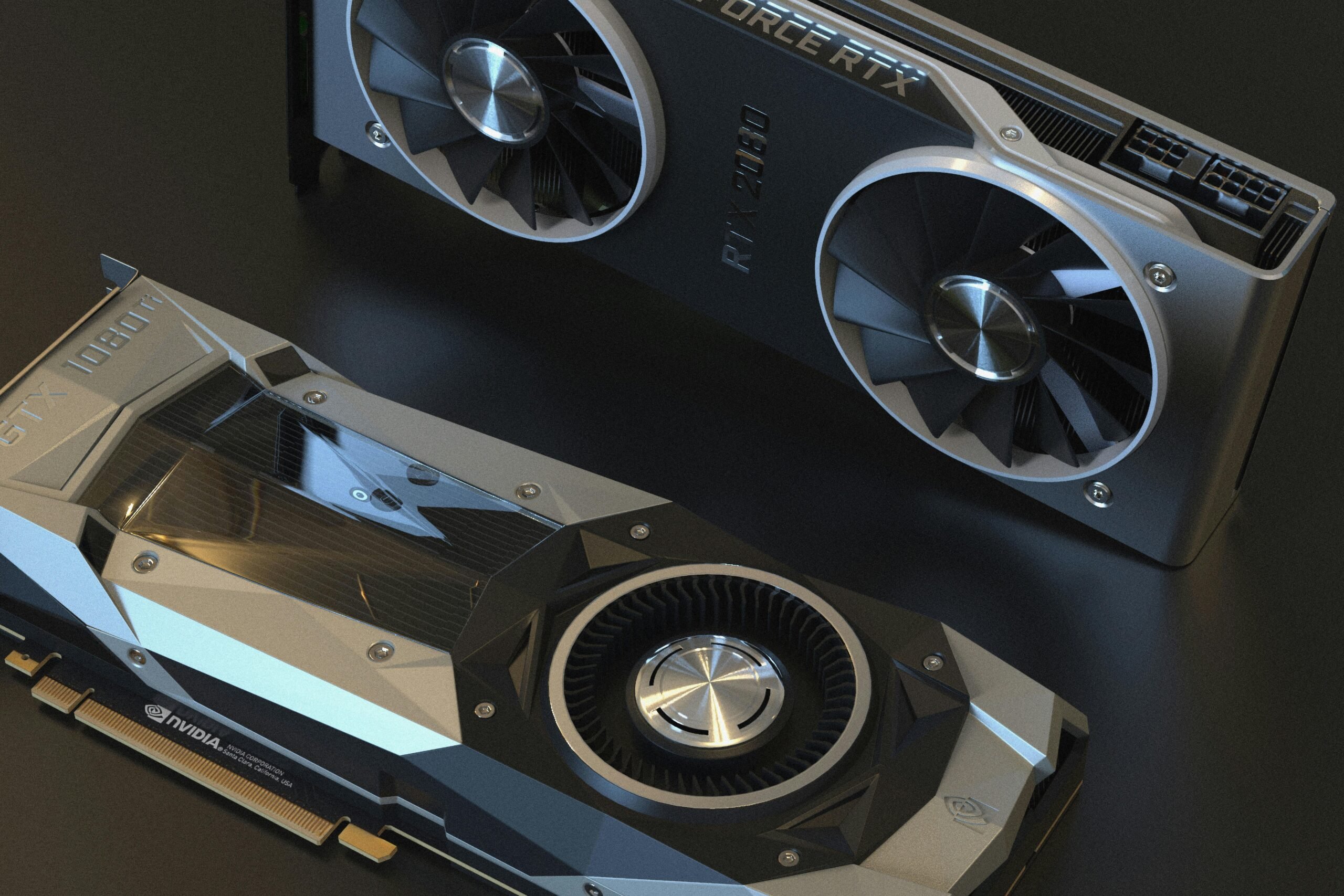
NVIDIA’s lower position (at least when compared to Sandisk) might come as a surprise, given its renown in the space. Canada’s The Globe and Mail described it as the “800-pound gorilla” of semiconductor manufacturers.
The firm is expected to post an annual return of 67.87% over five years and 76.81% over the decade, before falling to 47.10% in 15 years. We might actually know what’s happening with the AI market by then.
Overall, tech revenue continues to grow. The place of humans in the industry is a harder thing to predict. Expect lay-offs to continue in the near future until AI’s limited ability to produce income is undone by reduced consumer spending.
