

Christian education is undergoing a dynamic transformation, shaped by the demands of a globalized world and the possibilities of digital innovation.
Institutions like Olivet University are redefining what it means to integrate faith and learning, offering students not only theological insight but also tools to engage the world through media, technology, and cross-cultural ministry.
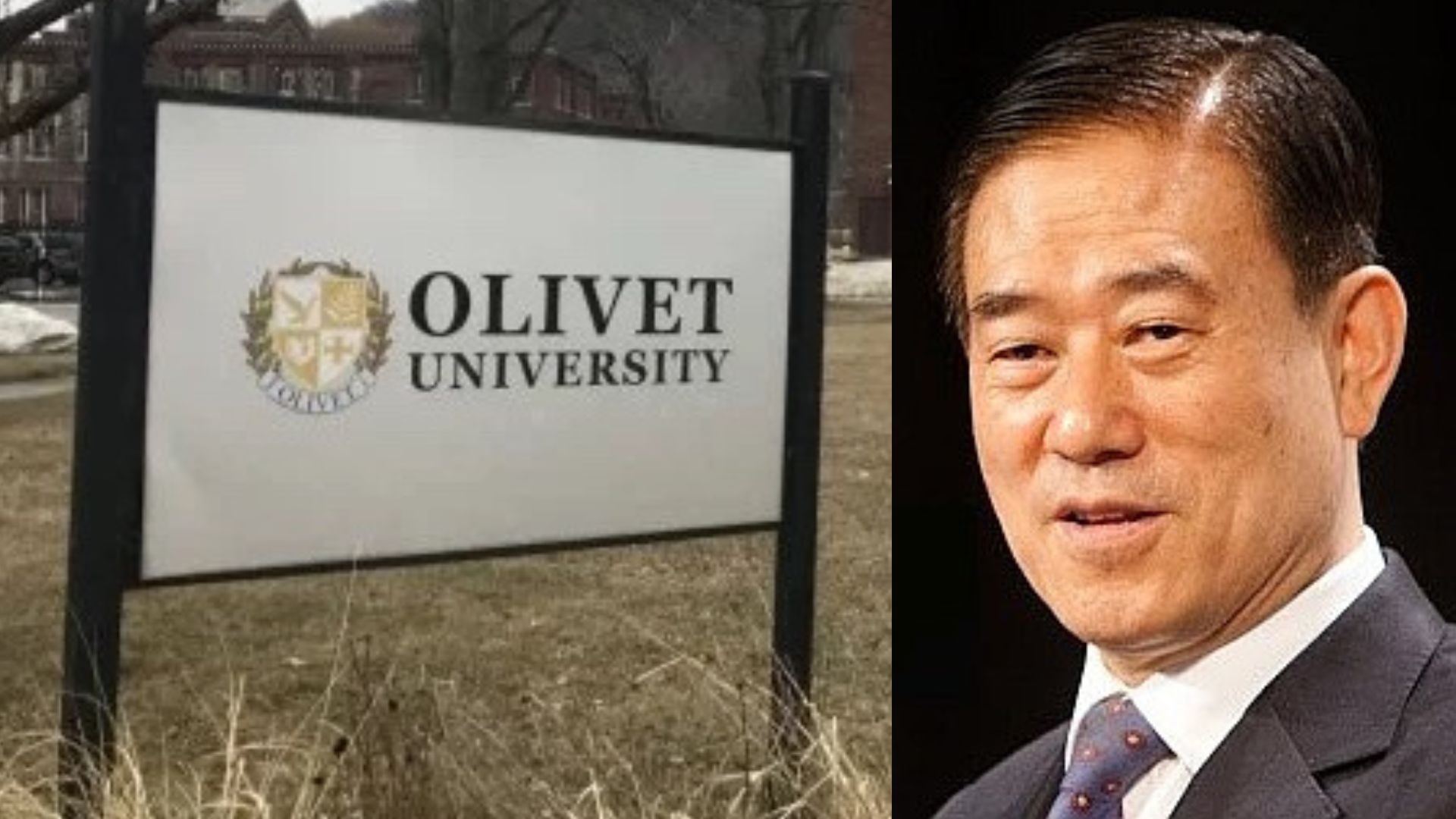
The influence of Rev. David Jang has helped guide this vision, emphasizing spiritual depth and global relevance. Through its commitment to practical training, online accessibility, and academic excellence, Olivet equips students to lead in diverse arenas—from churches and nonprofits to media outlets and mission fields.
This model is setting a precedent for how Christian scholarship can remain faithful to biblical truth while effectively addressing contemporary challenges.
Christian Scholarship in Today’s World
Christian scholarship today represents a unique intersection between faith and academic inquiry, where theological principles are applied across various disciplines.
It seeks to cultivate wisdom rooted in Scripture while engaging with contemporary issues such as ethics, technology, and global leadership.
As the world becomes more complex, Christian scholars face the need to address cultural shifts, secular ideologies, and questions of morality with clarity and compassion.
Institutions that support this kind of learning play a vital role in shaping leaders who can navigate these challenges without compromising their core beliefs. Theologians and educators are called to be bridge-builders between ancient truths and modern realities.
Across campuses and digital platforms, there is a growing demand for faith-based education that equips students not only with knowledge but with a sense of purpose grounded in biblical truth.
This blend of intellectual rigor and spiritual formation defines the current landscape of Christian academic work. The reach of such programs continues to grow as seekers pursue meaningful education aligned with their values.
Olivet University’s Mission and Educational Approach
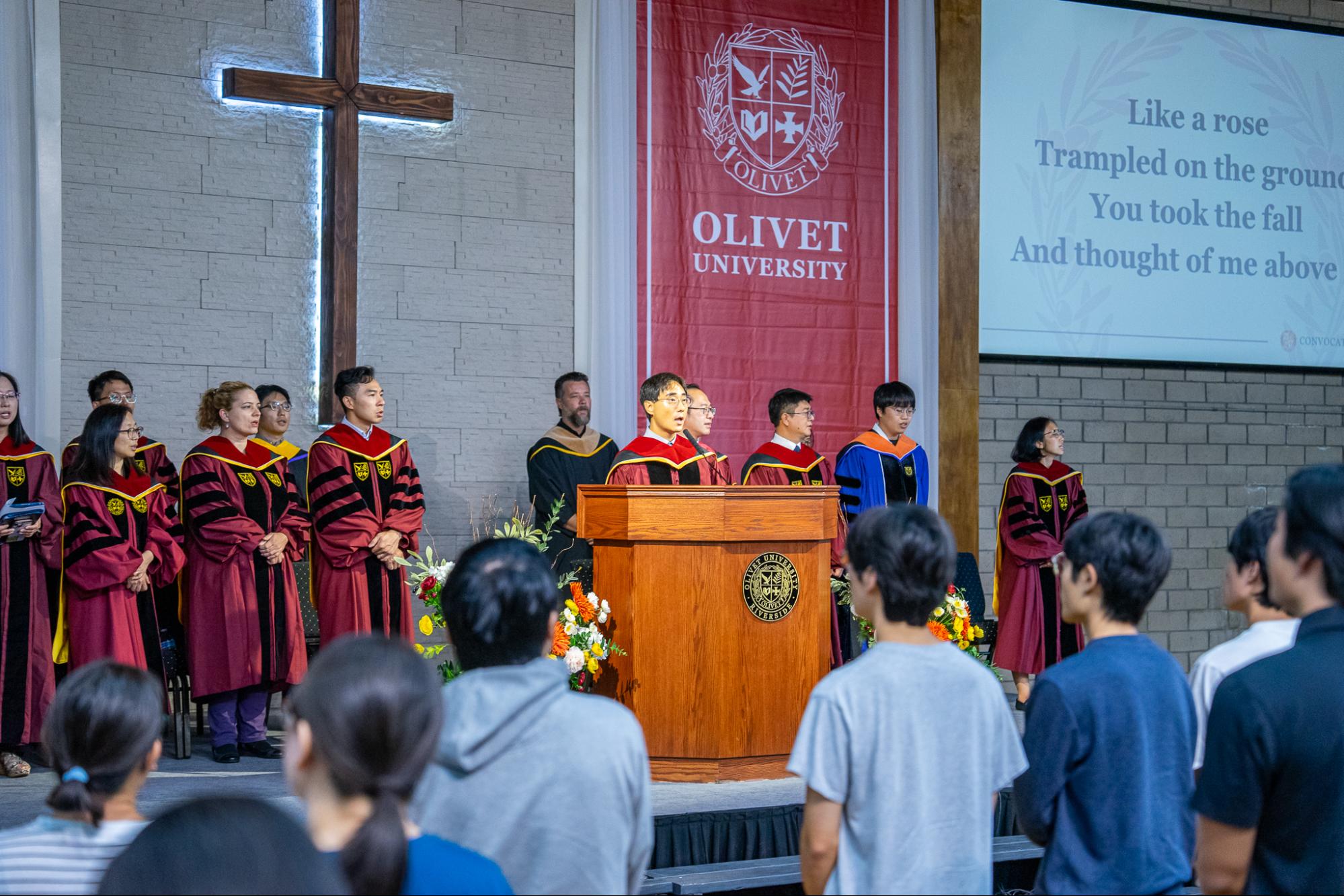
Olivet University stands out for its commitment to integrating faith with academic excellence, offering students a path where spiritual development and intellectual growth move hand in hand.
Its curriculum is designed not only to educate the mind but also to shape the heart for service in a global context. Students are encouraged to pursue excellence in both scholarship and character.
Founded with a vision to reach the nations through education, Olivet emphasizes the importance of digital media and global communication in theological training.
Students engage with different fields—from journalism to technology—while remaining anchored in biblical truth, allowing them to speak meaningfully into the modern world. Faculty members often bring real-world experience into the classroom, enhancing the academic journey.
Through its online learning platforms and international campuses, Olivet has created a dynamic environment where faith-based learning can reach students wherever they are.
This adaptable model mirrors the university’s mission to equip leaders capable of impacting local churches and the broader global community. Such flexibility also enables working professionals and missionaries to continue their education without leaving their fields.
Rev. David Jang’s Influence
Rev. David Jang’s leadership has been instrumental in shaping Olivet University’s identity as a forward-thinking Christian institution.
His vision for a globally connected, media-savvy theological education laid the groundwork for a school that prioritizes spiritual formation and cultural engagement. He envisioned a community where faith and technology would harmonize to serve the world.
Drawing from his experience in ministry and education, Rev. Jang established Olivet as a place where students are prepared not just academically, but also spiritually, to serve in diverse mission fields.
His emphasis on practical theology and cross-cultural communication has helped position the university as a launchpad for future Christian leaders with global impact. His leadership continues to inspire faculty and alumni alike.
Learning Through Innovation
Olivet University has embraced innovation as a means to expand the reach and relevance of Christian education. With an emphasis on digital platforms, the university delivers theological training that meets students where they are, whether in remote villages or urban centers.
This approach has helped break down traditional barriers to seminary education, making it more inclusive and efficient.
The integration of technology into coursework allows students to explore complex theological themes alongside practical skills in design, media, and communication.
Courses often include projects that simulate real-world ministry challenges, fostering creativity and problem-solving.
Shaping Christian Leaders
Students at Olivet are equipped to serve, engage in research, media, and humanitarian work with a strong theological foundation.
Their education goes beyond textbooks, blending classroom instruction with ministry opportunities that foster growth in real-world settings. Leadership development is woven into the academic fabric, preparing students to lead with humility and conviction.
One student, after completing her studies in journalism and theology, went on to lead a media initiative that shares faith-based stories across multiple countries.
Stories like this reflect the university’s ongoing commitment to developing leaders who think deeply, act compassionately, and serve faithfully. Others have launched ministries in underserved regions, applying what they’ve learned in meaningful ways.
Long-Term Impact on Global Christian Education
Olivet University’s model has inspired similar institutions to rethink how they deliver theological education in the digital age.
Its blend of accessibility, academic rigor, and spiritual depth continues to influence how Christian universities around the world prepare students for ministry and service. Partnerships with other colleges and networks have further amplified this impact.
As more schools adopt flexible learning formats and global strategies, the effects of Olivet’s approach are becoming visible.
