

As the global population ages, ensuring the safety of seniors at home and in care facilities has become increasingly important.
Falls are a leading cause of injury among older adults and often result in hospitalization and reduced independence. Traditional tools such as grab bars and alarms provide some protection, but they mostly react after a fall occurs.
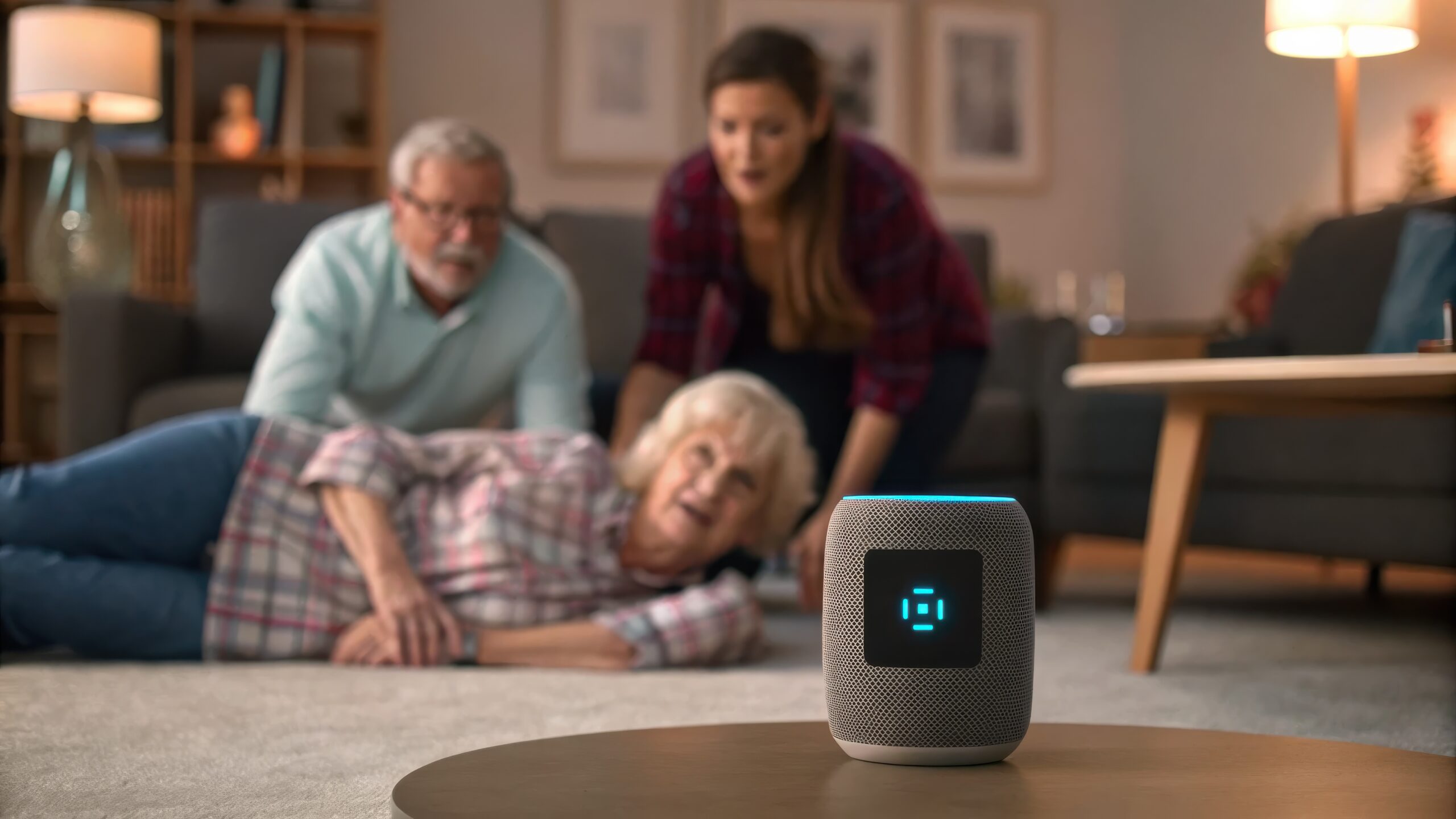
Today, technology is changing that approach. Artificial intelligence (AI) is making it possible to identify risks earlier, track subtle changes in movement, and provide real-time alerts before harm happens.
This shift is creating a safer and more empowering environment for seniors who wish to maintain their independence.
Read on to learn how AI and fall prevention devices are redefining the future of senior safety.
Understanding the Growing Need for Senior Safety
As people age, mobility issues often affect balance and coordination, especially during daily activities. Simple movements like standing, walking, or getting out of bed can increase the risk of falls, particularly among elderly adults.
This growing concern has led families and caregivers to look for practical safety measures, such as grab bars, toilet safety rails, and bed rails, that can reduce accident risks at home and in care settings.
Beyond physical injuries, falls often bring lasting effects that extend to emotional and financial challenges. A single fall can diminish confidence, limit independence, and cause anxiety about moving freely around familiar spaces.
In healthcare settings, these incidents increase fall-related costs and strain hospital systems. This has prompted providers to adopt new technologies that improve patient safety and monitoring..
As awareness of fall prevention grows, attention has shifted toward smarter solutions that deliver better protection and faster alerts. Innovations like fall detection sensors and fall prevention devices are now used to identify early warning signs before an accident happens.
This progress signals a move from reactive approaches to proactive safety practices that better support aging adults.
Smart Devices Shaping the Future of Fall Prevention
Technology has created safer living environments for seniors by offering tools that work quietly and effectively in the background. These innovations are designed to detect movement patterns, issue timely alerts, and reduce the risk of serious injuries.
For readers who wish to learn more, a reliable resource on what are assistive devices explains essential tools designed to lower fall risks for elderly individuals. Understanding how assistive devices complement modern AI systems can lead to a more complete approach to senior safety.
To better understand how AI-driven tools support independent living, the following are some of the most effective smart devices for fall prevention:
- Wearable sensors: These include smartwatches and pendants equipped with motion detectors that track balance, detect sudden movements, and send automatic alerts when a fall is detected. They are lightweight and suitable for everyday use, making them ideal for seniors who live alone.
- Smart flooring and furniture: Pressure-sensitive flooring and sensor-embedded furniture monitor how weight shifts or how often a person stands, sits, or moves. This helps detect unusual motion patterns that may indicate instability or fatigue.
- Home automation integration: Lighting, voice assistants, and home alert systems can be connected to AI-driven fall prevention platforms. These integrations help reduce tripping hazards and ensure caregivers receive real-time notifications when something unusual occurs.
As innovation continues, fall prevention technologies are becoming more personalized, giving seniors both safety and independence without compromising comfort.
How AI is Transforming Fall Detection and Prevention?
Artificial intelligence is reshaping how fall prevention systems work, offering faster and more precise protection for older adults.
Here are ways AI enhances the accuracy and responsiveness of modern fall prevention tools:
- Behavioral analysis: AI algorithms study daily movement patterns to recognize deviations that could signal unsteady balance or a potential fall. This ongoing monitoring helps detect subtle changes early, prompting timely interventions.
- Continuous learning: Each user’s movements contribute to a growing data set that allows AI systems to adapt and refine their accuracy over time. The technology becomes more personalized, adjusting its sensitivity to individual mobility habits and routines.
- Real-time detection: When a fall happens, AI-enabled devices immediately alert caregivers or emergency responders without waiting for manual activation. This ensures help arrives quickly, even if the person is unconscious or unable to reach for assistance.
AI in fall prevention adds a responsive safety layer that adapts to each person, boosting senior confidence and keeping caregivers informed.
Building a Safer Tomorrow Through Connected Care
The next phase of senior safety focuses on creating interconnected care systems that unite AI, healthcare data, and human support.
These systems work together to ensure faster communication, accurate monitoring, and coordinated response during emergencies.
Real-time data sharing gives caregivers and healthcare professionals a clearer view of daily activity and potential risks. This helps them make informed decisions that improve safety and comfort.
As technology continues to evolve, these connected systems will deliver more personalized insights based on individual health patterns and mobility habits. This data-driven approach makes it possible to predict potential issues early, providing caregivers with the information they need to intervene before accidents happen.
The result is a safer, more responsive care environment that promotes independence while ensuring seniors receive attentive and compassionate support.
Final Thoughts
AI and fall prevention devices are reshaping how society supports older adults. What once relied on manual supervision now benefits from predictive intelligence and seamless communication.
As technology continues to evolve, it will allow seniors to live with greater independence and families to enjoy peace of mind knowing that safety is continuously monitored. The future of senior care is about smarter, more human-centered protection powered by AI.
