

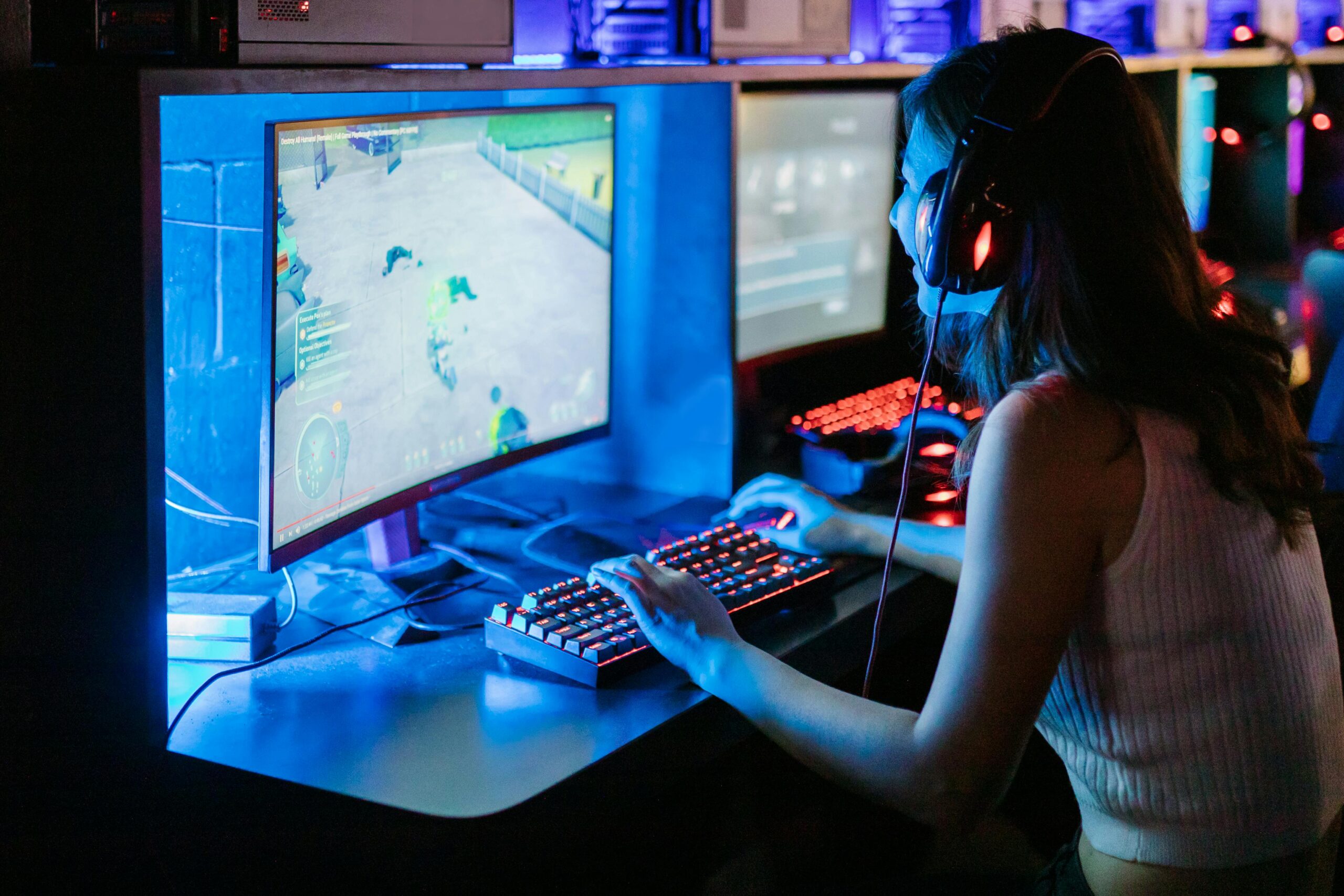
Over the years, competitive gaming was regarded as a hobby with the slightest chance of becoming a professional career. Other than professional sporting events and professional streamers, not many players might have a chance to make money off their talents.
That scenery is transforming at a quick pace. Another wave of game coaching platforms is on the rise, driven by advanced software that matches professional players with those eager to pay to improve.
These sites are converting skills into chance and establishing new avenues for gamers to make money playing games they love.
Coaching games no longer takes the form of a casual Discord or one-on-one tutoring. Rather, dedicated marketplaces are currently used to schedule, pay, rate, analyze, and monitor in-game performance. This infrastructure has reduced entry barriers and formalized a hitherto disjointed side hustle.
The Professionalization of Gaming Skills
With the development and expansion of competitive gaming in size and complexity, the need for improved structure has increased. The top-performing multiplayer games have high ranking, meta-strategy development, and mechanical skill floors.
The ladder to high places is not only about entertainment, though prestige and progression are the key reasons why many players climb the ladder.
Game coaching platforms capitalize on this need by providing a structured platform where more professional players can cash in on their skills.
Coaches establish hourly prices and build their expertise and reputations through confirmed reviews. Students search profiles, compare qualifications and make reservations easily.
The movement is symptomatic of a general move towards professionalization. Competitive gaming is becoming a field where coaching is regarded as a performance-enhancing factor, much like in traditional sports, where competitors employ trainers and sports analysts. This ecosystem operates efficiently with software platforms.
The Software Infrastructure Behind Coaching Marketplaces
The most fundamental aspect of these platforms is the use of complex computer programs to process matchmaking, verification, and quality control.
Algorithms will match coaches and students according to rank, game mode, language, availability and pricing preferences. The use of integrated payment gateways ensures safe dealings and automated scheduling systems do away with the hassle of time zone coordination.
Most platforms have analytics dashboards that monitor student progress over time. Coaches are able to watch recordings of games and make notes on replays and can also give performance breakdowns. Other systems are directly connected to game APIs to automatically retrieve match data and performance metrics.
This technological foundation is transforming coaching into a digital marketplace rather than an informal service. It allows coaches to cut down on administrative overhead and get back to the business of instruction rather than logistics.
Expanding Beyond Esports
Although most coaching platforms are dominated by competitive esports titles, the market is becoming more diverse across other genres.
Coaching services have been incorporated in strategy games, sports sims and even creative sandbox games. The more complex the games, the more structured learning will be demanded.
The coaching economy is also experiencing mobile gaming. As esports on mobile start earning popularity, gamers are interested in advice on strategies and strategy coordination. Mobile-friendly platforms provide sessions with built-in video conferencing and screen sharing.
Moreover, the variety of games it supports enhances the income prospects of players who do not play at the highest levels but have extensive knowledge of particular mechanics or strategies.
Monetization Models and Income Potential
Game coaching platforms are usually on a commission basis. The rates are determined by the coaches, and the platform will charge a percentage of any booking. High-profile coaches can command high fees, particularly for highly competitive titles.
In addition to one-on-one, certain platforms offer group classes, subscription-based mentorship programs, and pre-recorded course sales. Such diversification enables coaches to scale up what they offer and create streams of recurring revenue.
The earning capacity depends on expertise, availability, and marketing efforts. When coaches build strong personal brands through streaming or social media, they tend to attract more clients willing to pay more.
Coaching, in this respect, can complement content creation and be part of a multi-channel revenue approach in the gaming ecosystem.
Trust, Reputation, and Quality Assurance
Confidence is very important in online markets. Coaching systems solve this by using ratings, identity checks, and performance assurances. The reviews promote transparency, and the dispute resolution mechanism protects both parties.
Other platforms offer trial sessions or satisfaction guarantees, which reduce the perceived risk for learners. Moderation: Advanced systems track communications and ensure they do not violate community standards.
Such a formalized trust system makes professional coaching platforms more significant than informal ones and makes them more sustainable over time.
The Role of AI in Coaching Platforms
Coaching ecosystems are increasingly inspired by artificial intelligence. AI applications process gameplay footage and are also used to identify weaknesses, propose improvements, and create performance summaries. These insights can be used by coaches to provide more specific teaching.
In other instances, AI-driven assistants will provide initial feedback during pre-live sessions, enabling coaches to devote their attention to upper-level strategic analysis. It is a hybrid model combining automated analytics and human expertise, adding efficiency and value.
As AI tools mature, they can provide scalable coaching models in which AI-created assessments are supervised by human instructors, further expanding the economic possibilities of such systems.
The Future Outlook and Challenges
However, game coaching platforms have problems despite their rapid growth. Maturity of high-selling titles in the market may heighten competition among coaches, which pushes the prices down.
It is still difficult to ensure a uniform quality across a user base worldwide. Also, platform dependence is likely to create risk in case of a change in commission rates or a shift in policy.
That said, the shift towards skills monetization seems to be long-lasting. As the idea of gaming becomes a part of popular culture and the sphere of competition grows, formalized learning paths will not cease to be sought.
The emergence of game coaching websites can be seen as an example of how software can turn passion into a profession. These platforms allow skilled players to translate knowledge into revenue by integrating marketplace design, analytics products, and payment security ecosystems.
That way, they are transforming the economy of playing and have been generating opportunities way beyond the scope of conventional esports careers.
