

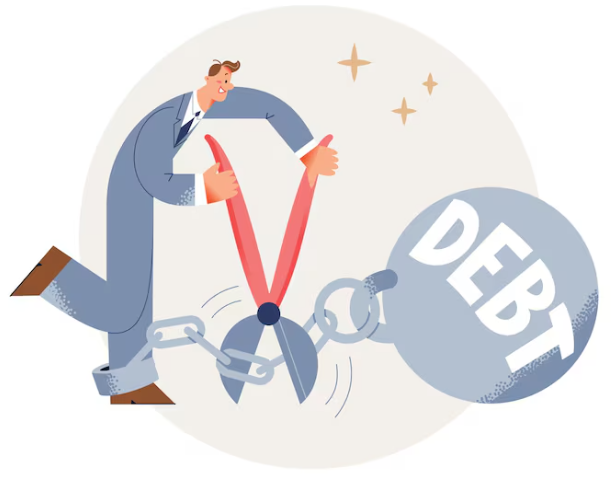
Have you ever asked yourself what options people have when they want to organize their debt and bring more balance to their finances?
Many individuals reach a point where they start learning about different ways to handle their financial responsibilities in a structured and thoughtful manner. The good news is that several well-known options help people manage debt in an organized way.
Managing debt is not only about numbers. It is also about understanding the choices available and choosing a path that matches a person’s financial situation.
Many people take time to read about different financial solutions before deciding what direction works best for them. When people understand the available options, they often feel more confident about their financial planning.
Across many countries, there are several recognized approaches that help people deal with debt in a practical way.
Some options focus on organizing payments, while others provide legal frameworks that make repayment easier to manage. Learning about these methods can make financial decisions clearer and more comfortable.
Learning About Common Debt Management Options
Before choosing any financial solution, people often spend time understanding how each option works. Each method offers a structured way to manage financial obligations, and knowing the basics helps individuals feel more prepared when making decisions.
People usually start by reviewing their current financial situation, including their income, monthly expenses, and total debt amount.
This overview helps them understand what type of solution may suit their needs. Once they have a clear picture, they can begin exploring different approaches to managing debt in a responsible and organized manner.
Consumer Proposal as a Structured Debt Arrangement
One well-known option that people often read about is a consumer proposal. This option allows individuals to arrange a repayment plan that is structured and legally recognized. It provides a way for people to work with creditors to repay a portion of their debt through scheduled payments over time.
A consumer proposal focuses on creating a realistic payment plan. Instead of handling multiple debts separately, the proposal organizes payments into one clear structure. Many people appreciate the simplicity of having a defined repayment schedule.
The process generally involves reviewing financial details and creating a proposal that creditors can consider. When the proposal is accepted, the person follows the agreed payment plan until the arrangement is completed.
People often learn that a consumer proposal can include different types of debt, such as credit cards, personal loans, and other unsecured obligations. The main idea is to create a plan that supports steady repayment while helping the person stay organized.
The Role of Financial Professionals in Debt Solutions
When individuals explore debt solutions, they sometimes choose to speak with professionals who understand financial laws and procedures. Professional guidance helps people understand their options clearly and decide which approach fits their situation.
Financial professionals often review income details, expenses, and existing debts before discussing available solutions. This step helps ensure that individuals receive information that matches their financial reality.
Guidance From a Licensed Insolvency Trustee
A licensed insolvency trustee is a professional who is authorized to help individuals understand formal debt solutions. These professionals work within financial regulations and provide guidance about legally recognized options.
A licensed insolvency trustee plays an important role in explaining how different debt solutions operate. Their work includes reviewing financial situations and outlining options that may help people organize their finances.
People often find it helpful to speak with a professional who understands the full range of financial solutions. A trustee can explain how repayment arrangements work and what steps may be involved in each option.
In many cases, individuals appreciate the clarity that comes from professional advice. Having a clear explanation of available solutions can make financial planning easier and more structured.
Understanding Bankruptcy as a Legal Debt Solution
Another option that people often read about while researching debt solutions is bankruptcy. Bankruptcy is a legal process that helps individuals address their debt through a formal system established by financial regulations.
People usually learn about bankruptcy when exploring the full range of available solutions. It is part of the broader system that supports individuals who want to resolve their financial obligations in a structured and regulated way.
How Bankruptcy Works in a Structured System
Bankruptcy follows a legal process that is designed to address debt through an organized framework. The process is handled with professional guidance and follows established financial laws.
During the process, financial details are reviewed and certain debts may be addressed through the legal system. The purpose of the process is to provide a structured method for resolving financial obligations.
Many people find it helpful to understand how bankruptcy fits within the broader set of debt solutions. Learning about this option helps individuals see how different financial tools are available for managing debt in a regulated way.
The Importance of Understanding All Available Options
Learning about different debt solutions helps individuals make informed decisions about their finances. When people take time to understand the available options, they often feel more confident about managing their financial responsibilities.
Each debt management option offers a different approach. Some focus on repayment planning, while others operate within legal frameworks that help organize financial obligations. Understanding these differences helps individuals compare solutions and choose what feels appropriate for their situation.
Financial awareness also helps people develop stronger money management habits. Reading about debt solutions often encourages individuals to review their spending patterns, set financial goals, and create better budgeting routines.
Building Financial Confidence Through Knowledge
Financial knowledge plays an important role in helping people manage debt effectively. When individuals understand how different solutions work, they can approach financial planning with greater clarity.
Many people begin by learning about repayment plans, professional guidance, and legal financial processes. Over time, this knowledge helps them understand how each option fits into the broader financial system.
Financial education also encourages thoughtful decision-making. When people read about structured solutions like consumer proposals, professional guidance from licensed insolvency trustees, and legal options such as bankruptcy, they gain a clearer picture of how financial systems support individuals in managing debt.
Final Thoughts
Managing debt becomes easier when people understand the different options available to them. Learning about structured repayment plans, professional financial guidance, and regulated legal processes helps individuals approach their finances with clarity and confidence.
Many individuals take time to explore solutions such as consumer proposals, professional support from licensed insolvency trustees, and formal legal processes like bankruptcy. Each option exists to provide a clear and organized path for addressing financial obligations.
