

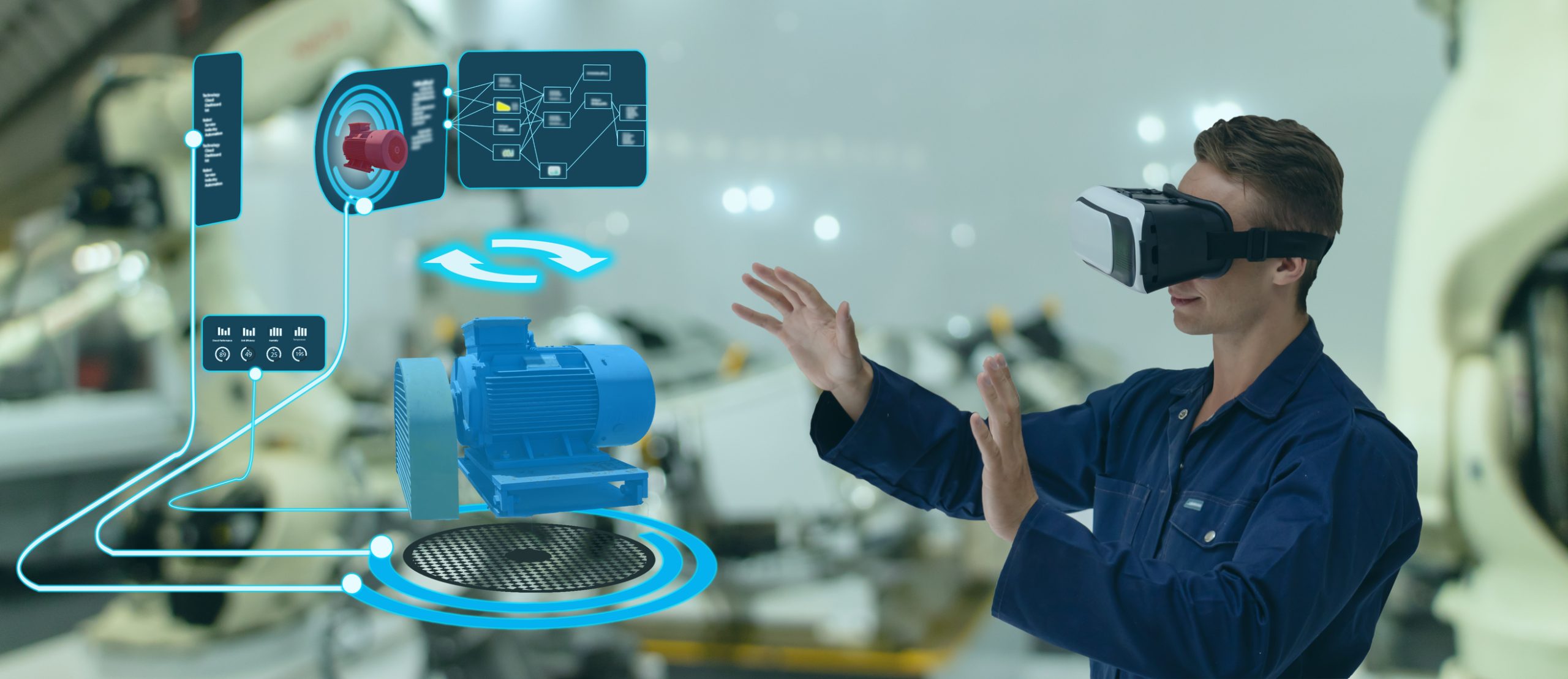
Augmented reality (AR) is changing how technicians learn and use skills on the shop floor. Instead of depending only on printed manuals or classroom sessions, operators wear AR headsets that show instructions directly in their work area.
This guidance appears right where it is needed, which helps cut errors, speed up setup times, and make new staff productive more quickly.
Since information is within their line of sight, operators can keep their hands free and avoid constantly shifting their attention between the machine, a laptop, or printed documents.
Remote training and interactive support
AR is also useful for remote help. When a problem comes up, the operator can share their view with an expert located elsewhere.
The expert can add notes to the live image, point out the screw that needs loosening, or highlight the cable that should be checked. This method can reduce machine downtime and lower the costs and delays of sending a technician on-site.
AR can also link to machine data and maintenance systems. Alerts from condition monitoring can trigger AR workflows that guide the operator through a specific inspection, indicating the axis, drive, or coolant line involved.
This way, training, diagnostics, and documentation come together in a single visual experience that is easier to understand than text alone.
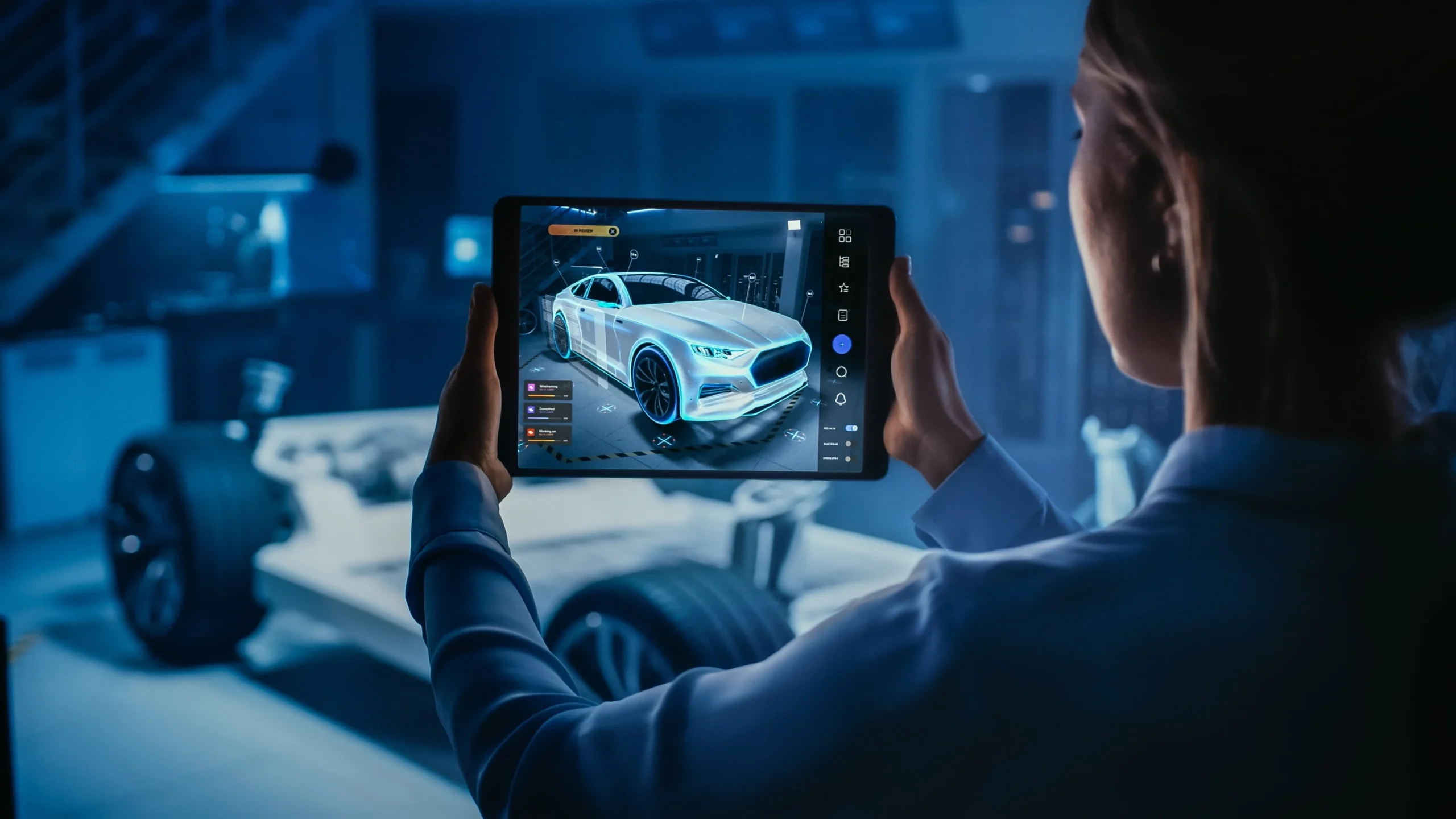
Interactive manuals can further improve this method; instead of static PDFs, procedures can be shown as 3D sequences that appear over the real machine.
With augmented reality, an operator can see, step by step, how to assemble a boring tool holder, from positioning the body and inserts to tightening the clamping screws in the correct order.
They can also change a coolant filter cartridge by following digital instructions that overlay their view and guide them in isolating the coolant line, removing the filter housing, and installing the new cartridge.
From one-off training to continuous learning
AR changes training from a one-time course into a continuous process in the workplace. Each setup or inspection offers a chance to learn, while data from AR sessions shows where people face challenges.
Engineers can then adjust instructions so operators depend less on memory and more on clear, in-context guidance.
Over time, usage data reveals which processes need more training material or design changes. The same platform can support cross-training among roles, allowing operators to practice unfamiliar tasks with guidance before doing them on their own.
