

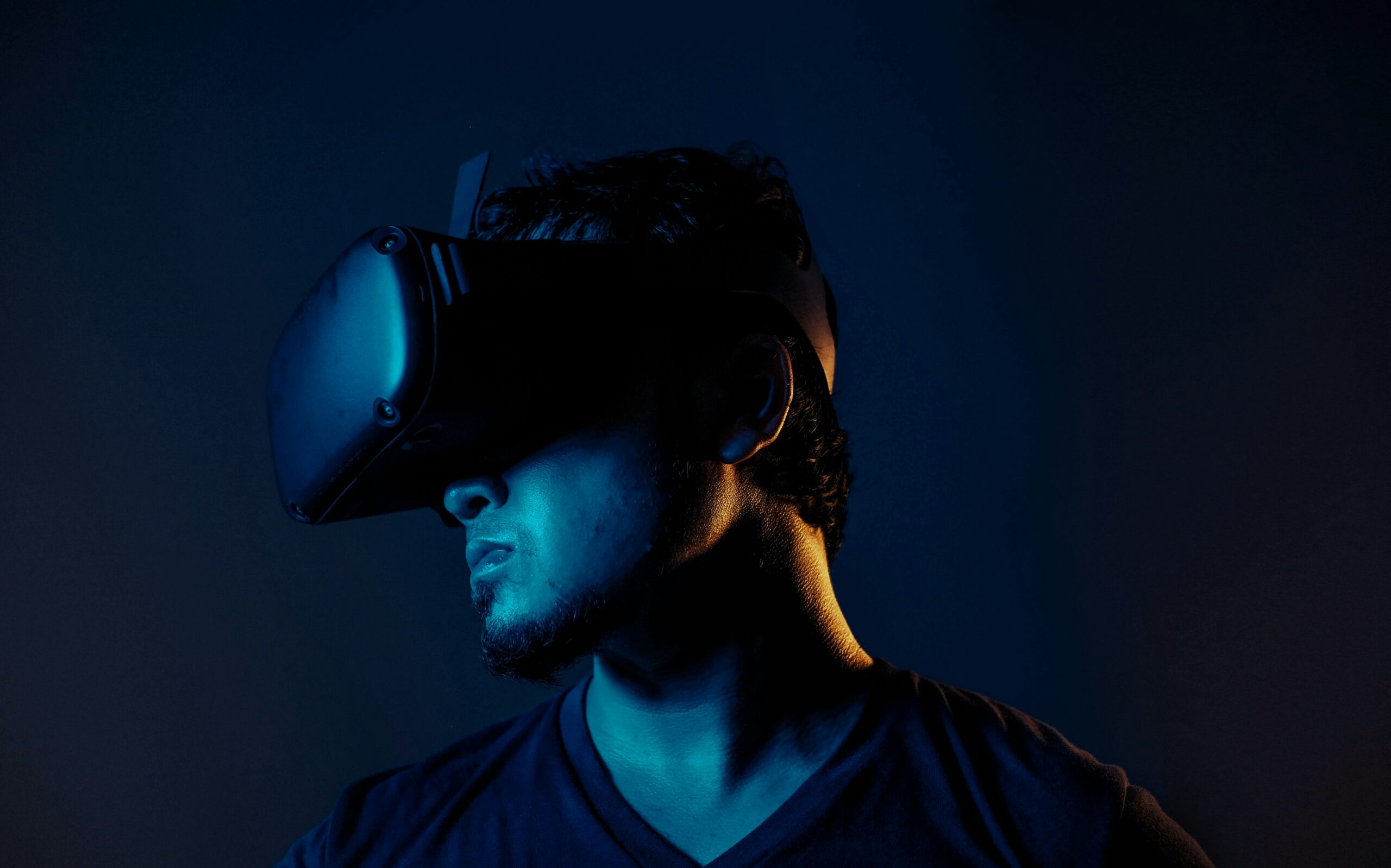
The world of digital entertainment is perpetually on the hunt for the next big thing. We’ve seen the revolutions brought by smartphones and the rapid growth of iGaming. Yet, the persistent buzz around Virtual Reality (VR) suggests a profound shift: a leap from simply looking at a screen to being fully inside the experience.
For the casino industry, this technology offers a unique opportunity to merge the convenience of online play with the palpable atmosphere of a luxurious, brick-and-mortar venue. So, is the VR casino simply a futuristic concept, or are players genuinely putting on their headsets to hit the virtual tables?
The current trajectory of VR in the iGaming space indicates robust growth, with market projections showing a significant compound annual growth rate in the coming years.
This surge is fueled by consistent improvement in hardware quality and accessibility. Platforms designed for high-quality, engaging gameplay are critical for driving this adoption.
For instance, sites like casiqo and others in the digital gaming ecosystem understand that while VR offers a cutting-edge experience, the core elements of a great platform—security, reliability, and excellent customer service—must remain paramount to sustain player interest and encourage deeper immersion into virtual environments.
Why VR is the Next Frontier for Online Casinos?
The central promise of a VR casino is immersion. Traditional online casinos are inherently a 2D experience. VR, on the other hand, allows players to occupy a fully rendered, three-dimensional space, transforming a solitary session into a highly sensory and interactive event. This change is fundamentally altering player expectations.
Replicating the Casino Floor Atmosphere
A key selling point of VR is its ability to create a genuine sense of presence. When you put on a headset, you aren’t just scrolling through a lobby; you’re walking across a richly detailed casino floor.
- Sensory Realism: The experience incorporates spatial audio, so the sounds of the spinning roulette ball and the clinking of chips sound like they’re coming from their actual virtual location.
- 3D Environments: Developers create high-fidelity virtual rooms, from plush poker dens to brightly lit slot areas, providing the visual richness that a flat screen simply can’t match.
Enhanced Social Interaction
A major draw of physical casinos was the social aspect. VR restores much of this community to the online experience.
- Avatars and Communication: Players are represented by avatars that can move, sit, and express non-verbal communication like shrugging or giving a ‘thumbs up’ across the table.
- Real-Time Engagement: Standard real-time voice chat allows players to interact, strategize, and share in the excitement, fostering a community that makes the experience less isolating than traditional online gaming.
The Technology Driving Adoption
The reason VR casinos are moving from ‘fad’ to ‘trend’ is the rapid advancement of the underlying technology. The barriers to entry—high cost, clunky equipment, and motion sickness—are being systematically dismantled.
Improved Headsets and Accessibility
The biggest obstacle to widespread VR adoption has been the hardware, but this is quickly changing.
- Affordable Standalone Devices: The market has shifted towards powerful, standalone VR headsets that don’t require an expensive, high-end PC. This dramatically lowers the cost and simplifies the setup, making VR gaming accessible to a much broader audience.
- Visual Fidelity: Newer models offer crisper displays and wider Fields of View (FOV), which enhances realism and makes it easier to read card faces and betting odds in the virtual environment.
Leveraging Mixed Reality (MR)
The latest headsets are pushing beyond pure VR into Mixed Reality (MR), which overlays virtual elements onto the real world.
- Blended Experiences: MR allows a virtual blackjack table to appear on your real-world coffee table. This fusion of realities can make long VR sessions more comfortable and practical for daily use, keeping users connected to their physical surroundings while they play.
- Intuitive Controls: Modern controllers and hand-tracking technology allow players to manipulate virtual chips and cards using natural hand movements, deepening the immersion and making gameplay feel intuitive and tactile.
The Path Forward: Challenges and Opportunities
While the VR casino concept holds immense potential, its true mass adoption still depends on a few key developments the industry is actively pursuing.
Content and Game Libraries
Currently, the selection of truly immersive, VR-optimized casino games is small compared to the vast libraries available on traditional 2D platforms.
For VR casinos to become the default choice, developers need to invest heavily in creating high-quality, unique content that fully utilizes the three-dimensional space. We are seeing a shift toward games being redesigned from the ground up for VR.
The Role of Software Innovation
Beyond hardware, the quality of the gaming platform’s software is crucial. This requires seamless integration with existing iGaming features, robust security measures, and reliable back-end architecture to handle the increased data requirements of 3D environments.
As the technology matures, we can expect to see integrated features like blockchain technology being explored for more secure and transparent transactions in virtual decentralized casino spaces, along with advanced Artificial Intelligence (AI) powering more lifelike and adaptive virtual dealers and non-player characters (NPCs).
The Rise of Virtual Destinations
The VR casino trend is inextricably linked to the broader concept of the Metaverse—a persistent, shared virtual 3D world. As various metaverse platforms mature, virtual casinos are poised to become core social and entertainment destinations within them.
This shift from a single-game application to a virtual social hub will solidify the long-term viability and popularity of the VR casino model.
Conclusion: The Answer is a Resounding ‘Yes’
Do people really play with VR? Absolutely. While still early in its lifecycle, the VR casino is far from a mere gimmick. It represents the logical next step in the evolution of iGaming, offering a superior, more immersive, and more social alternative to traditional desktop and mobile play.
The current momentum—driven by more affordable, high-fidelity hardware and a growing dedication from the iGaming software community—suggests that VR is establishing itself as a permanent and expanding segment of the market.
The question won’t be if people will play in VR, but how many. For those seeking the closest thing to a real-world casino experience without leaving the comfort of home, the virtual reality headset is quickly becoming the ultimate passport to the next generation of entertainment.
