

Modern salons collect a wide range of sensitive client information, from contact and payment details to notes on treatments, allergies, and personal preferences. Keeping this information secure is crucial.
Without proper security measures in place, salons risk damaging their reputations, losing client trust, and even facing legal consequences in the event of a data breach.
As clients increasingly depend on digital booking and record-keeping systems, their expectations of privacy and security will continue to rise.
Just one slip-up can create enduring doubts about the professionalism and reliability of a salon. By protecting data from day one, salons show accountability, transparency, and genuine respect for the people they serve.
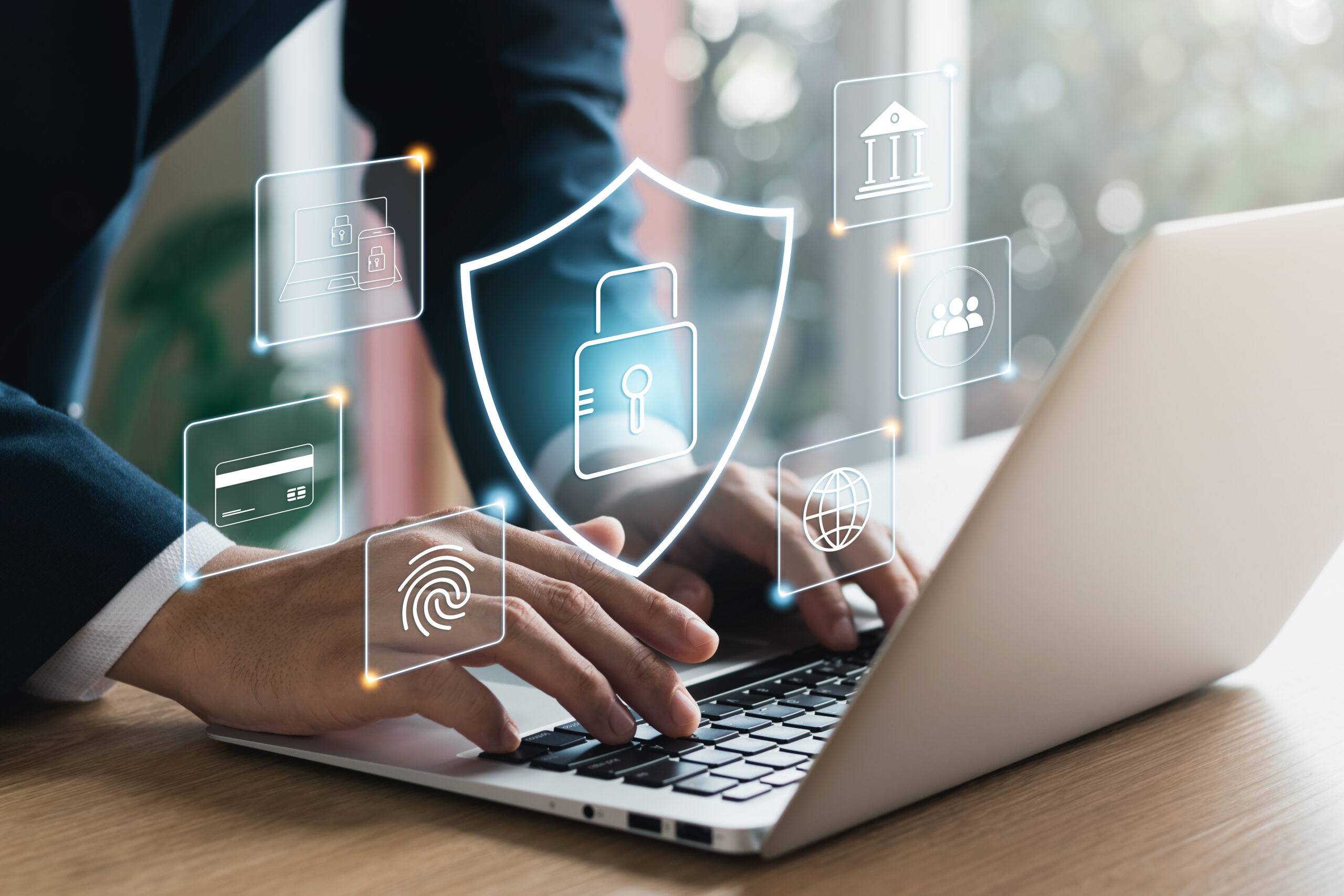
Digital Security: Choosing the Right Platform
Protecting client information starts with having a trustworthy system in place. Choosing the right platform ensures that sensitive data is managed safely and efficiently. A reliable and safe system for client bookings and records management is the backbone of a secure salon operation.
Online booking software for beauty salons offers a way to centrally handle scheduling, profiles, and payments if such a platform emphasizes security first.
This should be a system that will encrypt all data transfers, force secure staff logins, and support multi-factor authentication so that only authorized personnel can have access to sensitive client information.
All electronic devices in the salon, whether it’s a tablet at the front desk, a laptop in the back office, or a smartphone used for mobile management, should be protected.
Following some procedures, like installing reputable antivirus software, enabling firewalls, and keeping all operating systems and applications up to date, might help for some common weak points.
Maintaining regular backups of all clients’ data is also equally important, and it should be stored either off-site or in a trusted cloud environment, so you can restore information in case of a system failure or cyberattack.
Access Control: Limiting Who Sees What
One very important security strategy in any salon is controlling which employees have access to different types of client data. Not everyone should have access to every data.
Salon managers or administrators may need to view complete client histories, including payment and treatment notes, while stylists or front-desk team members may only need very limited access, perhaps to schedule appointments or greet customers.
To implement this, make sure individual user accounts are used instead of shared logins. The unique username makes sure accountability is maintained.
Additionally, combine this with strong password policies, requiring complexity and regular password changes, in order to reduce risk.
Using auto-logout features on devices when they’re idle ensures that no unattended terminal stays open, and using multi-factor authentication adds a critical second layer of defense.
Payment Security: Safeguarding Financial Information
Handling client payments safely is non-negotiable. Salons should work with payment systems that are compliant with industry standards, protecting cardholder data during both transaction and storage. Ideally, full credit card numbers should never be stored in internal systems.
If some data needs to be retained (for example, for recurring clients or memberships), it should be tokenized or encrypted to make theft difficult.
It’s also vital to train staff for secure payment practices. All members of a salon who perform transactions should be aware of how to handle card data correctly, recognize potential fraud, and respond appropriately if something seems suspicious.
Training should also cover how to spot unusual client behavior or discrepancies in payment details that may signal attempted misuse.
Employees should practice using the payment system in controlled scenarios so they feel confident managing real-world issues without compromising security.
Network and Physical Security
Salons must safeguard both their digital and physical spaces. On the network front, it’s wise to separate guest Wi-Fi from the system used for business operations.
The client-data systems should run on a network protected by strong encryption (such as the latest WPA protocol) and a complex, regularly updated router password.
Physically, client information deserves protection too. Paper client cards, consent forms, or treatment notes should be stored in locked, secure cabinets when not in use.
Devices used for booking or payment should be arranged thoughtfully so that screens are not easily visible to unauthorized persons. When idle, equipment should auto-lock so that data is not left exposed.
Compliance and Data Retention
Salon owners need to be aware of the data protection laws and regulations that apply in their region. These laws require treating personal information with care, limit how long data is stored, and respect clients’ requests to access or erase their information.
Establishing a data retention policy helps manage how long client records are kept, for instance deleting or anonymizing data once it is no longer needed.
If salons use third-party vendors, such as software for bookings, payments, or marketing, it’s critical to review those partners’ data practices.
Contracts should clearly outline how client data is stored, protected, and processed, and the salon should only work with vendors that adhere to strong security standards.
Employee Training and Incident Preparedness
The security of a salon is not only guaranteed by technology. A large part of securing client data depends on the behavior of your staff.
Regular training ensures that all employees are aware of the risks of phishing emails, social engineering, or careless data handling. Training should cover best practices in safely logging in and out of systems, managing physical records, and reporting suspicious activities.
Additionally, every salon should be prepared for incidents by having a plan. This plan should detail what to do if a breach or system failure occurs.
How to isolate affected systems, evaluate the scope of the breach, notify affected clients, and restore services. Practicing the plan periodically ensures that, in a real crisis, the team can respond quickly and competently without panicking.
Building Client Trust Through Strong Security
When a salon commits to protecting its clients’ data, it builds long-term trust. It allows clients to feel more confident booking appointments and storing personal preferences when they believe their information is safe.In a competitive industry, this commitment to privacy and professionalism can become a real differentiator.
Ultimately, implementing sound security practices isn’t just a defensive move; it’s a way to show respect for clients and strengthen your salon’s brand.
Clients are also more likely to recommend a salon they view as responsible and secure, turning data protection into a driver of positive word-of-mouth. Over time, a strong privacy reputation can help attract higher-value clientele who prioritize professionalism and reliability.
Conclusion
Protecting client data in a salon setting demands a multi-layered approach. From using secure online booking software for salons to limiting access, encrypting payment information, safeguarding both digital networks and physical records, and training your team, each measure contributes to a robust defense.
By prioritizing data security, salon owners not only reduce risk but also nurture trust, compliance, and a reputation for excellence. Establishing clear internal procedures for how staff should handle sensitive information day-to-day further strengthens consistency and accountability.
Regularly reviewing security practices also helps salons adapt to new technologies or evolving threats before they become vulnerabilities. Taking these proactive steps ensures the business stays resilient, organized, and well-prepared for the future.
